Where is VOYAH's 'Blueprint'?
 03/30 2026
 552
552
Lead | Introduction
On March 19, 2026, VOYAH officially listed on the Hong Kong Stock Exchange (HKEX), only to see its stock price break below the IPO price on the first day of trading. Was the poor timing of the listing to blame, or did the company still have inherent weaknesses—or was it a combination of both? Moving forward, how can VOYAH strengthen its brand power?
This article is produced by | Heyan Yueche Studio
Written by | Zhang Dachuan
Edited by | He Zi
Full text: 2,850 characters
Reading time: 4 minutes
On its debut day of listing, VOYAH encountered a 'break below the IPO price.' Opening at HK$7.5 per share, the stock price quickly declined, hitting a low of HK$6.25 per share during the session. It closed at HK$6.51 per share on the same day, marking a 13.2% drop. The downward trend continued, with the stock price further declining to HK$5.08 per share by the close on March 27, 2026, resulting in a total market capitalization of less than HK$19 billion. From the stock price performance alone, VOYAH is already showing signs of market pressure.
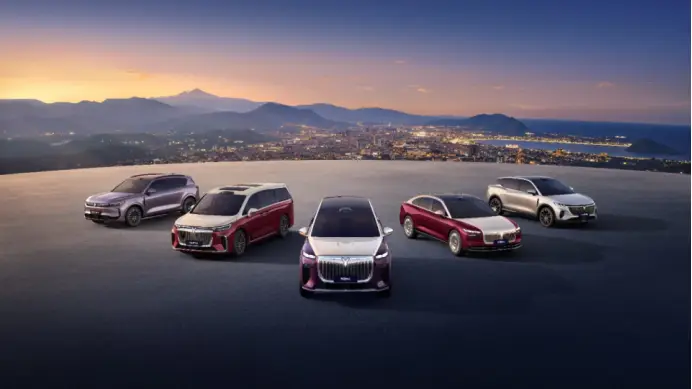
△ VOYAH's stock price broke below the IPO price on its debut day of listing.
What is the direct cause of the stock price break below the IPO price?
From a performance perspective, VOYAH's overall results are commendable. In 2025, the company sold over 150,000 vehicles, representing an 87% year-on-year increase, and became the first high-end new energy vehicle (NEV) brand among central and state-owned enterprises to reach the production milestone of 300,000 vehicles. Meanwhile, VOYAH achieved revenue of RMB 34.86 billion and a net profit of RMB 1.017 billion, successfully turning a profit and becoming one of the few profitable domestic NEV startups. Notably, its gross profit margin reached 20.9%, a relatively high level among NEV companies.
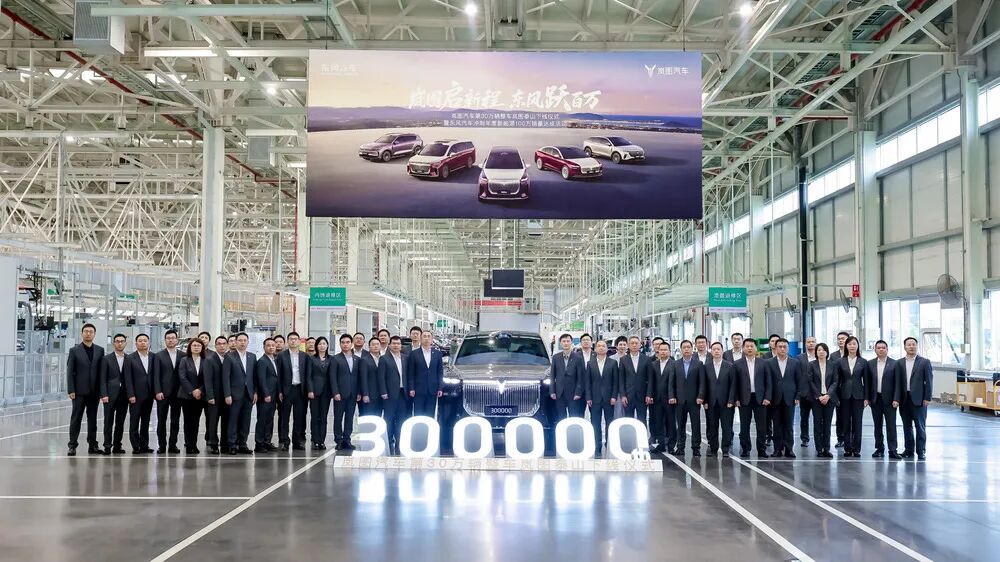
△ VOYAH became the first high-end NEV brand among central and state-owned enterprises to reach the production milestone of 300,000 vehicles.
Given such strong performance, why has VOYAH's stock price continued to decline? One reason is related to the method of its listing on the Hong Kong stock market.
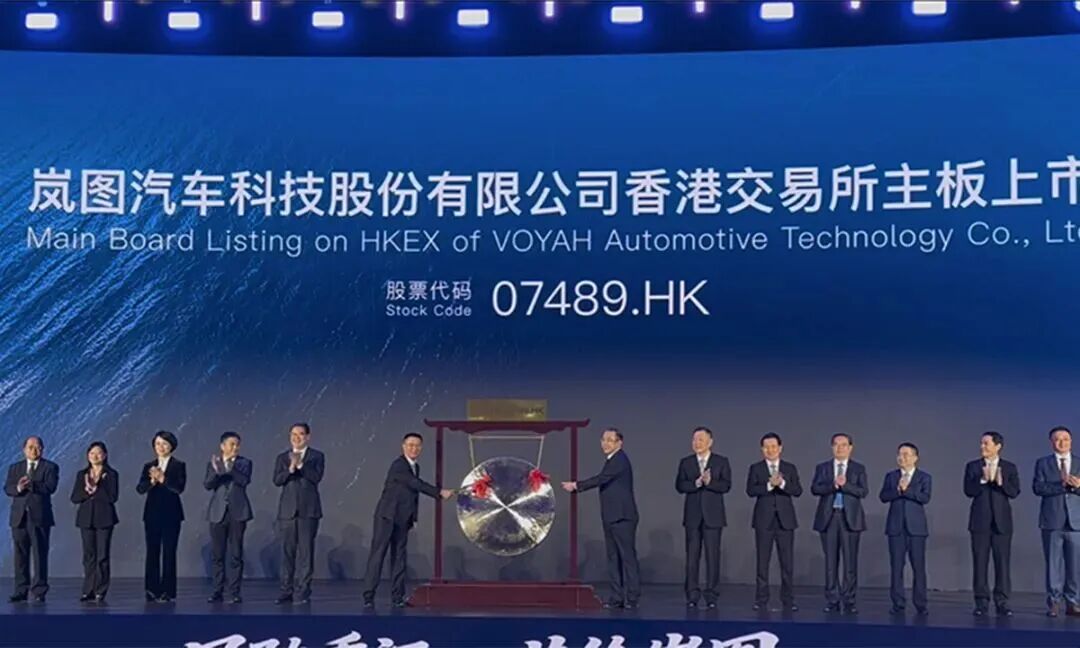
△ The break below the IPO price on VOYAH's debut day is also related to its chosen listing method.
For this listing, VOYAH utilized the shell resources of Dongfeng Motor Corporation on the Hong Kong stock market. To expedite the listing process, the company adopted a 'listing by introduction' approach, which means no new shares were issued, and no funding was raised. All listed shares came from the existing distribution to original shareholders after the privatization and delisting of Dongfeng Motor Group shares. As a result, VOYAH went from announcing its listing plan to officially listing (listing) in just about six months, setting a speed record for central and state-owned NEV enterprises listing in Hong Kong.
However, this listing approach also brought certain structural impacts. Since no public offering was conducted, VOYAH lacked the price stabilization tools typically provided by IPOs, such as cornerstone investor lock-up mechanisms and the 'greenshoe option' from underwriters. Without these stabilizers in the market, significant stock price volatility in the early stages of listing was, to some extent, expected.
Meanwhile, the external market environment cannot be overlooked. Heightened tensions in the Middle East, coupled with increased volatility in global financial markets, have disrupted the overall performance of the Hong Kong stock market. Against this backdrop, it is not surprising that VOYAH, as a newly listed stock, experienced a break below the IPO price and subsequent downward oscillation (volatility). Additionally, VOYAH has not yet been included in major index components or the scope of stocks eligible for the Stock Connect program, limiting potential sources of incremental capital and affecting the buying support capacity.
Deeper-rooted issues warrant attention
While VOYAH's stock price break below the IPO price is related to the unfavorable overall market environment in Hong Kong at the time of listing and the chosen listing method, the company's internal challenges cannot be ignored.
Profitability still needs improvement. According to financial reports, VOYAH achieved a net profit of RMB 1.017 billion in 2025, but this included government subsidies amounting to RMB 1.08 billion. Excluding these subsidies, the company was still operating at a loss. For an emerging automaker, the automotive industry is capital-intensive with significant upfront investments, so periodic losses are not uncommon. However, from a capital market perspective, whether a company can establish sustainable 'self-generating' profitability remains one of the core indicators supporting stable stock prices.
Moreover, the supporting role of related-party transactions on performance is also significant. In 2025, VOYAH generated RMB 5.372 billion in revenue from selling complete vehicles and parts to companies under its major shareholder, Dongfeng Motor Group, accounting for approximately 15.4% of total revenue for the period. Throughout the entire reporting period before the listing, Dongfeng Motor Group remained VOYAH's largest customer. While support from major shareholders for their affiliated enterprises is common, from a market-oriented business perspective, if VOYAH hopes to gain broader recognition from investors, it still needs to continuously enhance its sales capabilities and brand competitiveness in the consumer (C-end) market.
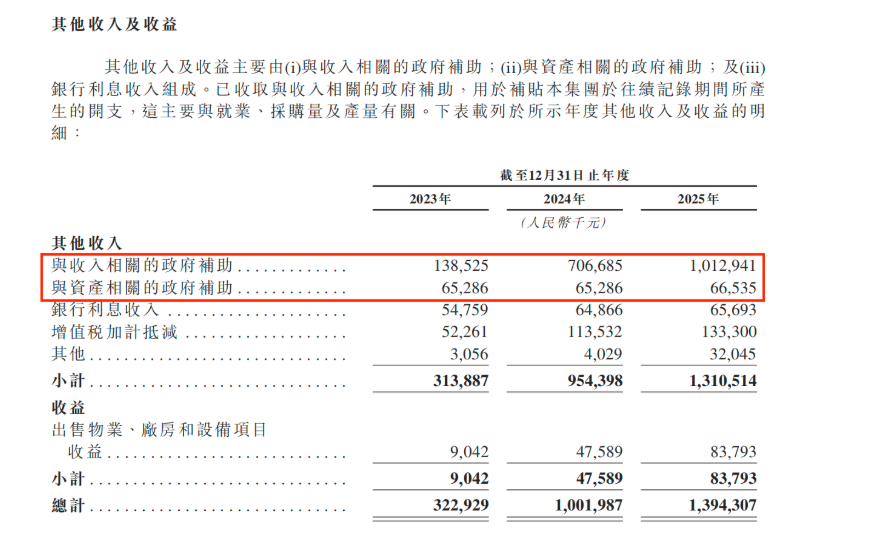
△ VOYAH's profitability in 2025.
Reducing reliance on a single model. Currently, VOYAH's sales heavily depend on the 'Dreamer' model. Data shows that in 2025, VOYAH delivered a total of 150,169 vehicles, with the Dreamer accounting for 76,045 units, or over 50.64% of the total. In comparison, the performance of its mid-to-large SUV, the VOYAH FREE, its mid-to-large sedan, the VOYAH Pursuit, and its mid-size SUV, the VOYAH Zhiyin, was noticeably weaker.
From a competitive standpoint, the domestic MPV market is no longer a 'blue ocean.' On one hand, traditional automakers like BYD and Geely continue to ramp up their presence. On the other hand, new entrants such as Li Auto and XPENG are also entering this segment. Additionally, foreign brands like Buick and Toyota, which have deep-rooted product and brand accumulate (accumulation) in the MPV sector, are not easily (easily) ceding their existing market advantages. Amid intensifying competition from multiple fronts, relying on a single hit model is unlikely to sustain overall sales growth in the long term.
Looking ahead to 2026, VOYAH plans to launch four new models, including the Taishan Ultra, Taishan X8, FE, and a luxury MPV codenamed 'Everest.' Among them, the VOYAH Taishan Ultra began deliveries on March 17, 2026, positioning itself as the world's first mass-produced SUV equipped with 896-line image-grade LiDAR. Whether these new models can gain market traction and form new growth drivers will largely determine VOYAH's competitive landscape and development prospects in the domestic market in the next phase.
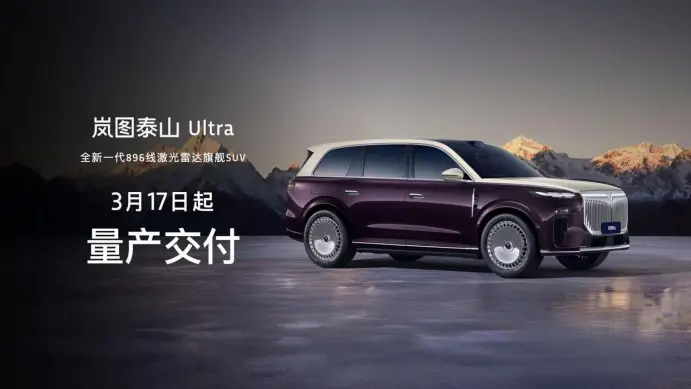
△ VOYAH must overcome its reliance on the Dreamer as its sole model.
Pursuing intelligent differentiation. In its intelligent connected vehicle technology strategy, VOYAH chose to deeply collaborate with Huawei and officially announced its 'All in Intelligence' initiative in 2025, planning to equip all its models with Huawei's Qiankun Intelligent Driving System. For VOYAH, this strategy effectively addressed its short-term intelligentization (intelligent capability) gaps and played a significant role in driving the popularity of models like the Dreamer.
However, from an industry trend perspective, Huawei's Qiankun Intelligent Driving System and HarmonyOS Cockpit are gradually becoming market 'standard configurations.' In addition to the 'Five Realms' models within Huawei's Intelligent Automotive Solutions ecosystem, more and more independent brands and even some foreign brands are accelerating the adoption of Huawei's intelligent connected vehicle technologies. Against this backdrop, VOYAH's differentiated advantage in intelligence is gradually being diluted. Moving forward, how VOYAH can leverage Huawei's technological empowerment while building its unique product strength and brand narrative, transitioning from 'technology following' to 'value co-creation,' remains to be seen.
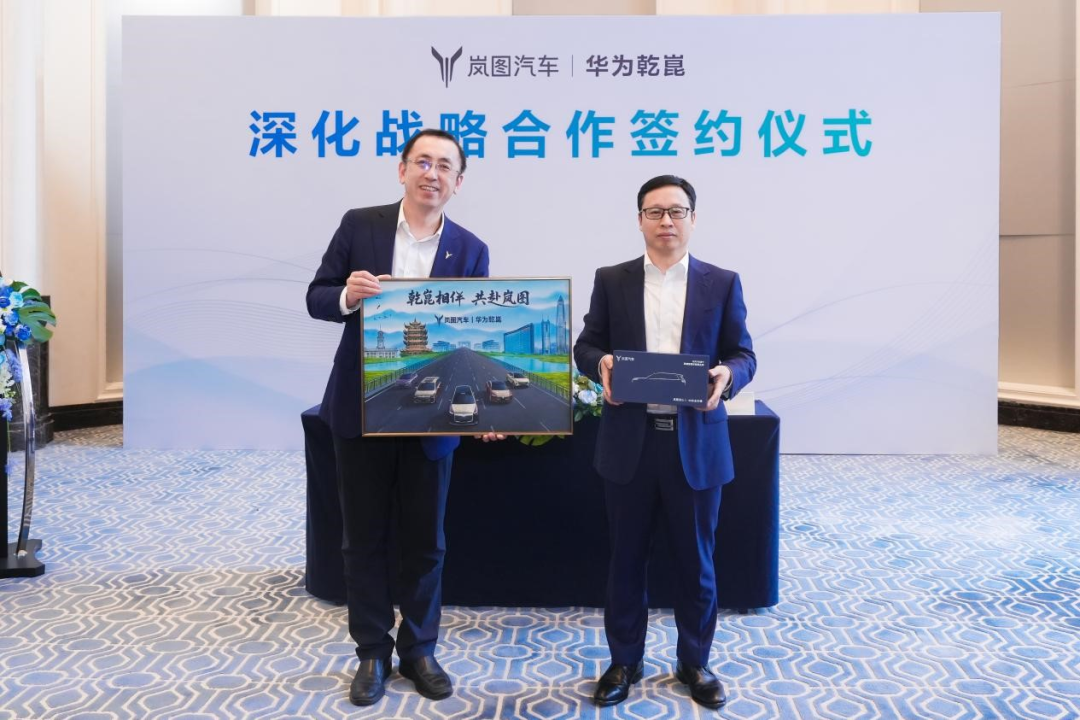
△ Huawei's Qiankun Intelligent Driving System and HarmonyOS Cockpit are gradually becoming market 'standard configurations.'
Breaking free from institutional constraints is key to success for 'VOYAHs.'
After the rise of new forces in China's domestic NEV market, many state-owned automotive groups have launched high-end NEV sub-brands in an attempt to drive overall group transformation. Examples include Dongfeng VOYAH, SAIC IM, Changan Avatr, and Chery Luxeed, all products of this era.
On the surface, compared to new entrant automakers like NIO, Leapmotor, Li Auto, Xiaomi, and others that started from scratch, the new brands incubated by traditional automotive groups seem to have natural advantages. On one hand, they can directly utilize the group's existing factories, saving billions in upfront construction costs. They can also leverage the group's existing supply chain resources and minimize part costs through synergies with other vehicle enterprises within the group. On the other hand, in research and development, these brands can directly tap into the group's R&D achievement (achievements), making R&D investments more controllable.
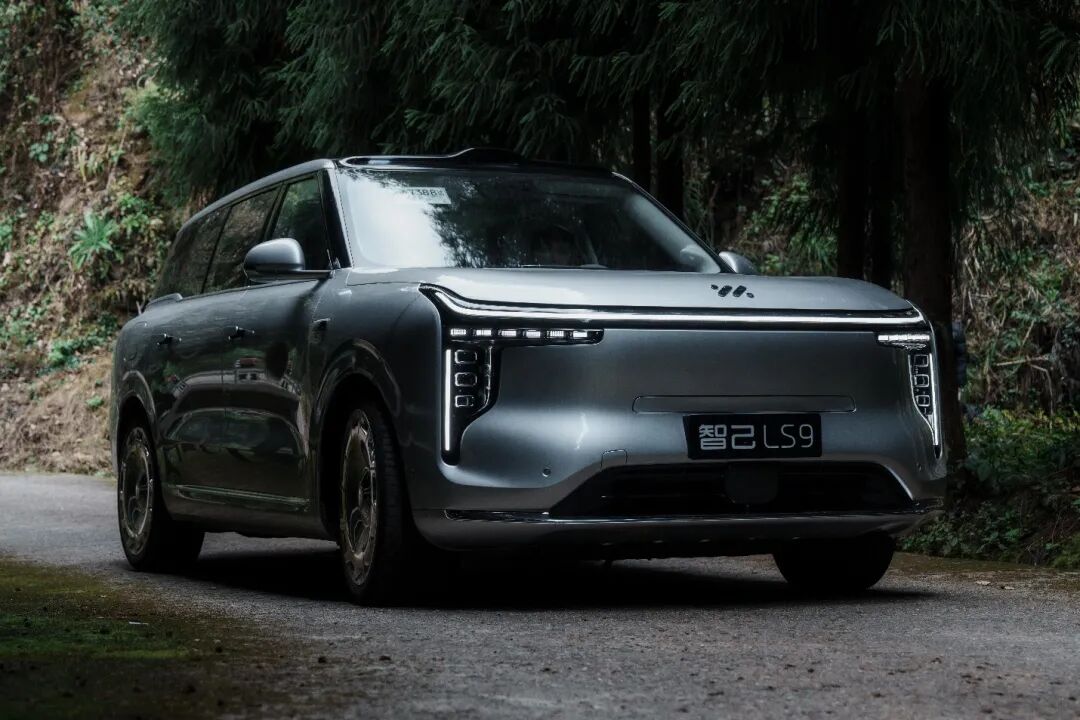
△ What advantages do new brands incubated by traditional automotive groups have?
However, sales data shows that these brands still lag significantly behind domestic leading new entrant automakers. The reason is that, whether in product design or in leveraging the internet to generate buzz and visibility, brands like VOYAH still adhere to traditional automotive thinking and lack breakthroughs. To some extent, this is closely related to the mindset of being backed by large state-owned enterprise groups: new entrant automakers often face survival pressures, where every vehicle sold can be crucial to the company's fate. In contrast, brands with state-owned backgrounds have 'no worries about food and clothing,' with their capital chains underpinned by state-owned funds, lacking a sense of urgency.
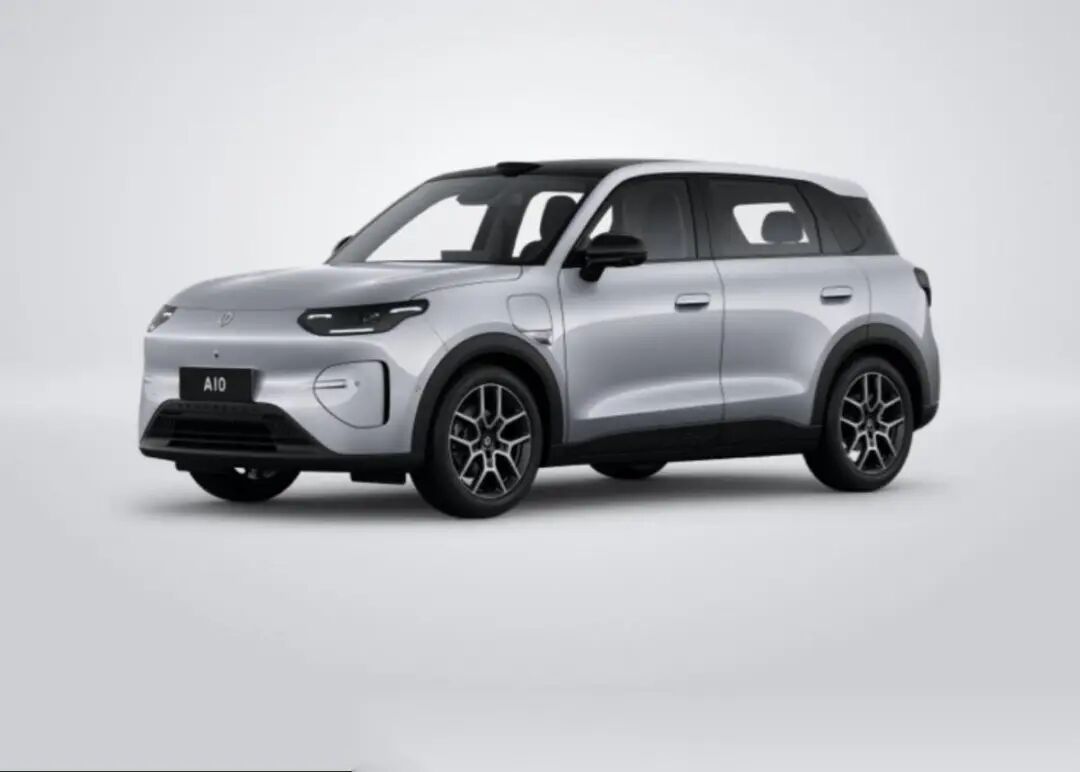
△ 'VOYAHs' need to enhance their sense of urgency.
Therefore, for VOYAH or other similar brands to truly stand out in the future, they not only need to maintain technological leadership to avoid being left behind by competitors but also need to continuously optimize their products, operational models, and organizational structures around genuine user needs. The Chinese automotive market is no longer an era where a single new model can drive sales. Against the backdrop of sluggish overall auto market growth, only brands that truly align with user needs can achieve long-term development.
Commentary
Short-term fluctuations in stock prices are not decisive factors for a company's overall operations. Nevertheless, stock prices to some extent reflect investors' recognition and confidence in a brand. Compared to new entrants like NIO, XPENG, Li Auto, AITO, and Leapmotor, VOYAH is at a disadvantage in terms of brand recognition and visibility, lagging behind the first-tier new entrants. Going forward, VOYAH needs to further plan its blueprint around genuine user needs, continuously optimize its products, operational models, and organizational structures, and engage in a new round of differentiated competition in the intelligent electric vehicle market.
(This article is original to Heyan Yueche and may not be reproduced without authorization.)
-
![]()
The Unstoppable Rise of 'Optical Progress and Copper Decline': Sunny Optical’s Strategic Vision for the Next Decade
-
![]()
AI + Going Global in the Second Half: No Intermission for Robot Vacuum Cleaners
-
![]()
The Suffering Endured in E-commerce, Walmart Doesn't Want to Repeat in AI
-
![]()
What Does the Doubling of New Energy Vehicle Exports Mean?
-
![]()
Ghosn: 'Only I Can Save Nissan'
-
![]()
Volkswagen Lays Off 100,000 Employees, The Elephant Sits Down
-
![]()
Expanding Production Capacity! Yutong Optics Acquires Approximately 1.5 Hectares of Industrial Land in Chang'an, Dongguan
-
![]()
Why Is Nokia Making a Comeback in the AI Era?