Comprehensively Outpaced by Local Brands! Foreign Companies Seek Cooperation, Masking Their Underlying Helplessness
 04/28 2026
 531
531
Exclusive models are not a cure-all for joint-venture automakers.
Crafting exclusive models tailored to Chinese consumers represents another key strategy for joint-venture automakers as they confront the onslaught from local brands.
In 2025, the three traditional luxury automotive brands—Mercedes-Benz, BMW, and Audi—are projected to sell 575,000, 625,500, and 617,500 units, respectively, in the Chinese market, marking year-on-year declines of 19%, 12.5%, and 5%. Once the benchmark players in the luxury market, BBA are gradually being eclipsed by emerging local brand models.
Unwilling to relinquish the largest single market, BBA has made significant strides in recent years to bolster product competitiveness. These efforts include price reductions and promotions, collaboration with Chinese companies, and expanding the scale of their R&D teams in China.
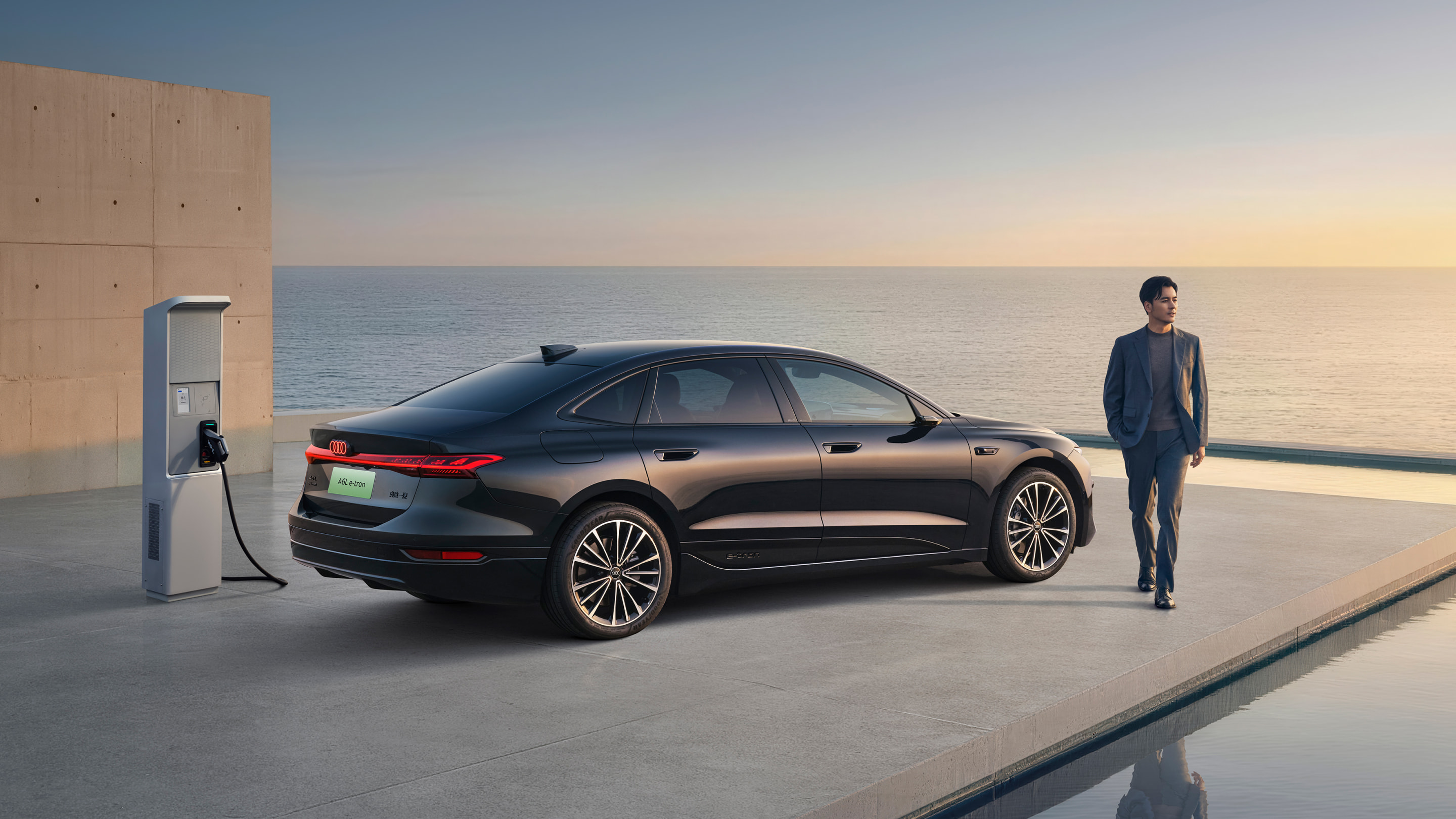
(Image Source: FAW-Audi)
Now, BBA is intensifying its efforts, planning to develop more exclusive models specifically for Chinese consumers.
Recently, Song Feiming (Fermín Soneira), CEO of the SAIC-Audi cooperation project, stated that three exclusive high-end sports sedans will be jointly launched with SAIC next year, adhering to a product R&D strategy that prioritizes "Chinese demands first."
Can the once-glorious joint-venture luxury brands reclaim their former glory with exclusive models?
The New Energy Era Disrupts the Automotive Industry's Old Order
After brands such as NIO, Li Auto, AITO, and Fangchengbao successfully carved out a place in the high-end market, intense online debates erupted over whether domestic cars deserve to command high prices. Some netizens argue that domestic cars lack core technologies and can only attract consumers with frills like refrigerators, TVs, and large sofas—factors they deem ultimately insignificant. They contend that vehicle quality, handling, and brand prestige are what truly matter.
Others counter that refrigerators, large screens, and luxury seats were once exclusive to million-dollar luxury cars, representing essential experiences for high-end travel. Local brands have made these luxury features accessible at affordable prices, offering ordinary consumers a richer array of vehicle choices.
The polarized controversy among netizens underscores a key issue behind the decline in joint-venture car sales in the new energy era: their comfort experiences and configurations lag behind those of domestic cars in the same class. It's not that BBA luxury cars lack refrigerators, TVs, and large sofas; rather, vehicles at accessible price points cannot be fully equipped.
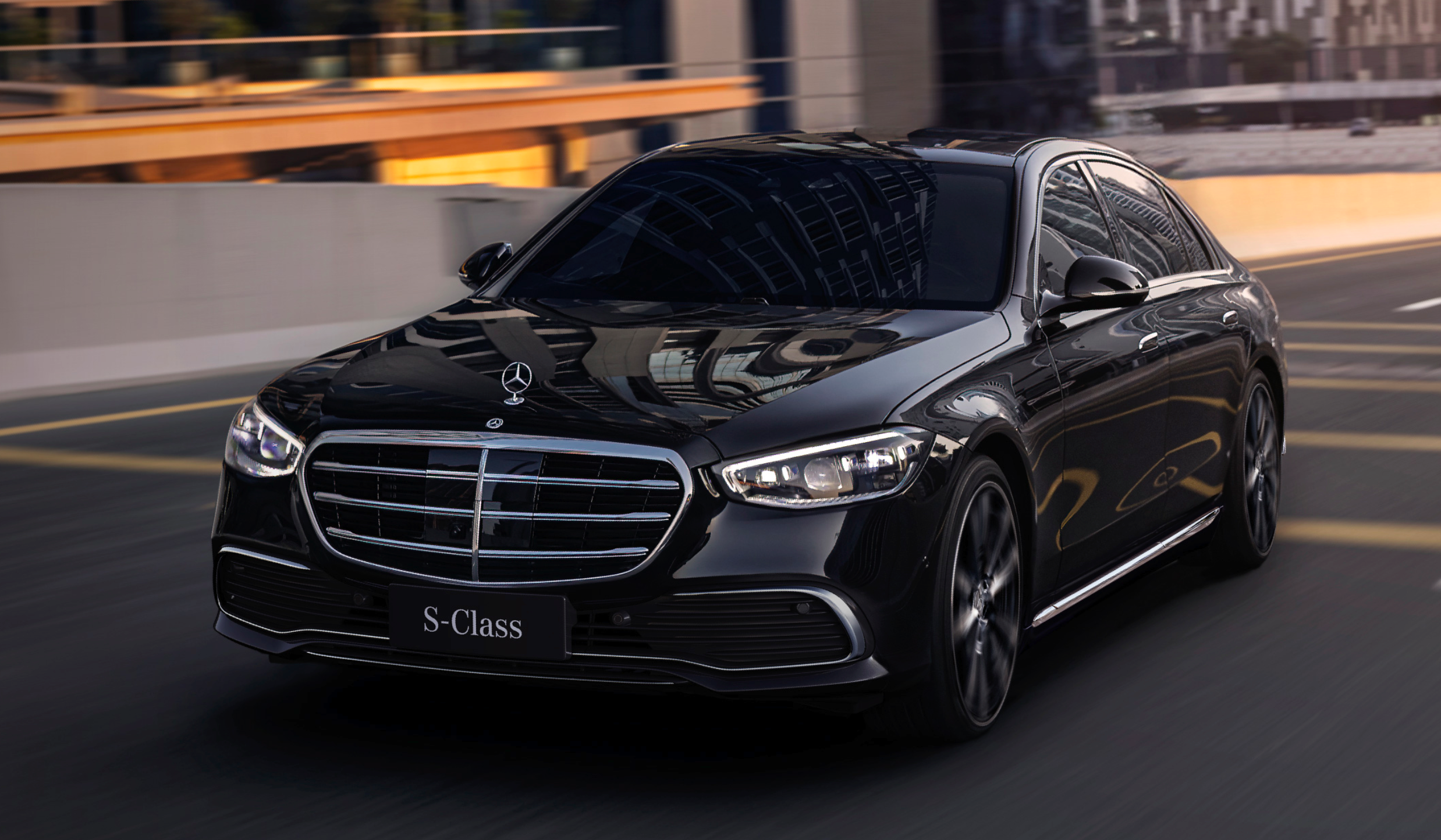
(Image Source: Mercedes-Benz)
Setting high-end configurations as options and simplifying low-end models is a standard practice for automakers to differentiate model tiers and price ranges. However, the impact of domestic cars has rendered this strategy ineffective. Compared to local models in the same class, the configurations of joint-venture and imported models can only be described as "lackluster."
Nevertheless, we must not only recognize the cost-effectiveness of domestic new energy vehicles but also acknowledge the robust technological strength behind them.
Xiaomi's self-developed automotive motors, BYD's 1500kW super-fast charging technology, CATL's power batteries and sodium-ion batteries, as well as the continuously refined self-developed engines with high thermal efficiency from BYD, Geely, Great Wall, and Chery, are all top R&D achievements in the domestic automotive industry chain. With intelligence becoming a core competitive factor, domestic automakers are actively entering the field of self-developed chips and adhering to a full-stack self-research approach in intelligent driving.
Localization adaptation is crucial in the era of intelligence. Intelligent driving relies on local road data and traffic rules, while intelligent cabins must also cater to the usage habits of local people. In contrast, many current joint-venture models require paid unlocking for even basic functions like remote air conditioning activation—a tactic rarely seen among local brands.
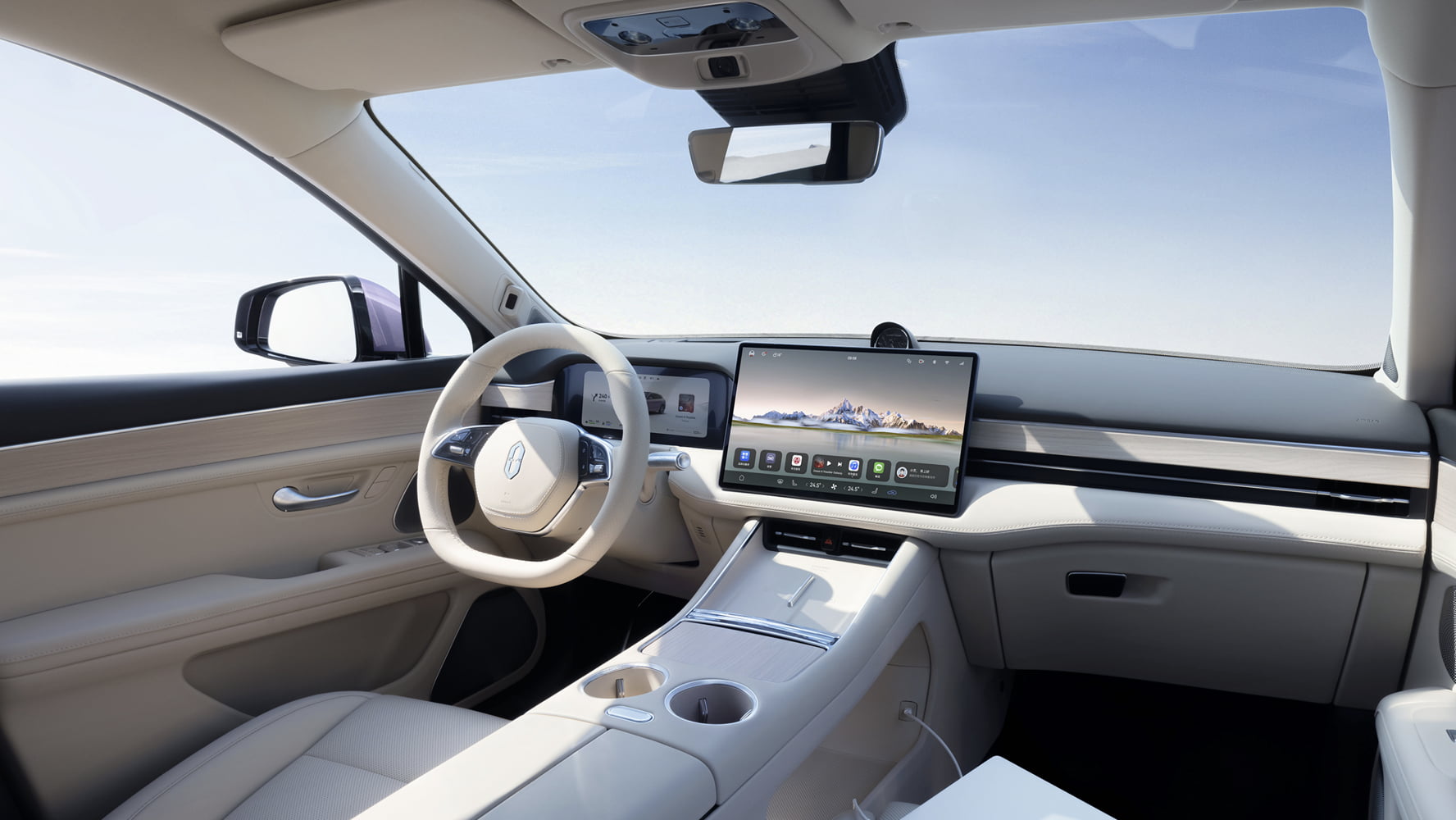
(Image Source: Harmony Intelligent Mobility)
Simply put, the decline in joint-venture car sales in the new energy era is not solely because domestic cars attract consumers with refrigerators, TVs, and large sofas. More importantly, domestic cars have achieved technological leadership.
Dianchetong (ID: dianchetong233) believes that while joint-venture automakers possess strong financial resources and technological heritage, their overly large scale has led to sluggish transformation. Past collaborations with suppliers and dealers have become burdensome, and some brands even made misguided bets during their electrification transition.
China is the most mature global hub for the new energy industry and boasts the largest consumer market. As overseas new forces gradually withdraw, domestic leading new forces are entering a profitable cycle of turning losses into gains.
Due to these multiple factors, joint-venture automakers have lagged in their electrification transition, and their new energy technological strength has been surpassed by leading local brands. As a result, even BBA's new energy models have been mocked by many netizens as "off-brand luxury cars."
To narrow the product gap, joint-venture automakers are increasingly leveraging China's supply chain and local automaker resources. Creating exclusive models for the Chinese market is a crucial step to meet domestic consumer demand and regain market share.
Exclusive Models for the Chinese Market: An Opportunity for Joint-Venture Automakers to Turn the Tide
Due to varying consumer demands across regions, automakers often create exclusive models for specific large markets. For example, European models are generally equipped with side skirt protection kits. Considering Chinese consumers' preference for spacious interiors and large trunks, brands like Mercedes-Benz and BMW introduced extended-wheelbase exclusive models for China early on.
In the era of fuel vehicles, models exclusively supplied to the Chinese market by automakers such as Toyota, Honda, and Volkswagen achieved impressive sales results. For instance, the Honda Crider once became a star model in the A+ segment. Entering the new energy era, joint-venture automakers are once again pinning their hopes on exclusive models to break the market deadlock.
However, in the era of electrification and intelligence, consumers have higher demands for product localization adaptation.
In Dianchetong's (ID: dianchetong233) view, it is difficult for joint-venture automakers to rely solely on their own strength to create exclusive models that meet the stringent requirements of domestic consumers. Deepening cooperation with Chinese automakers and suppliers is the optimal solution they must pursue.
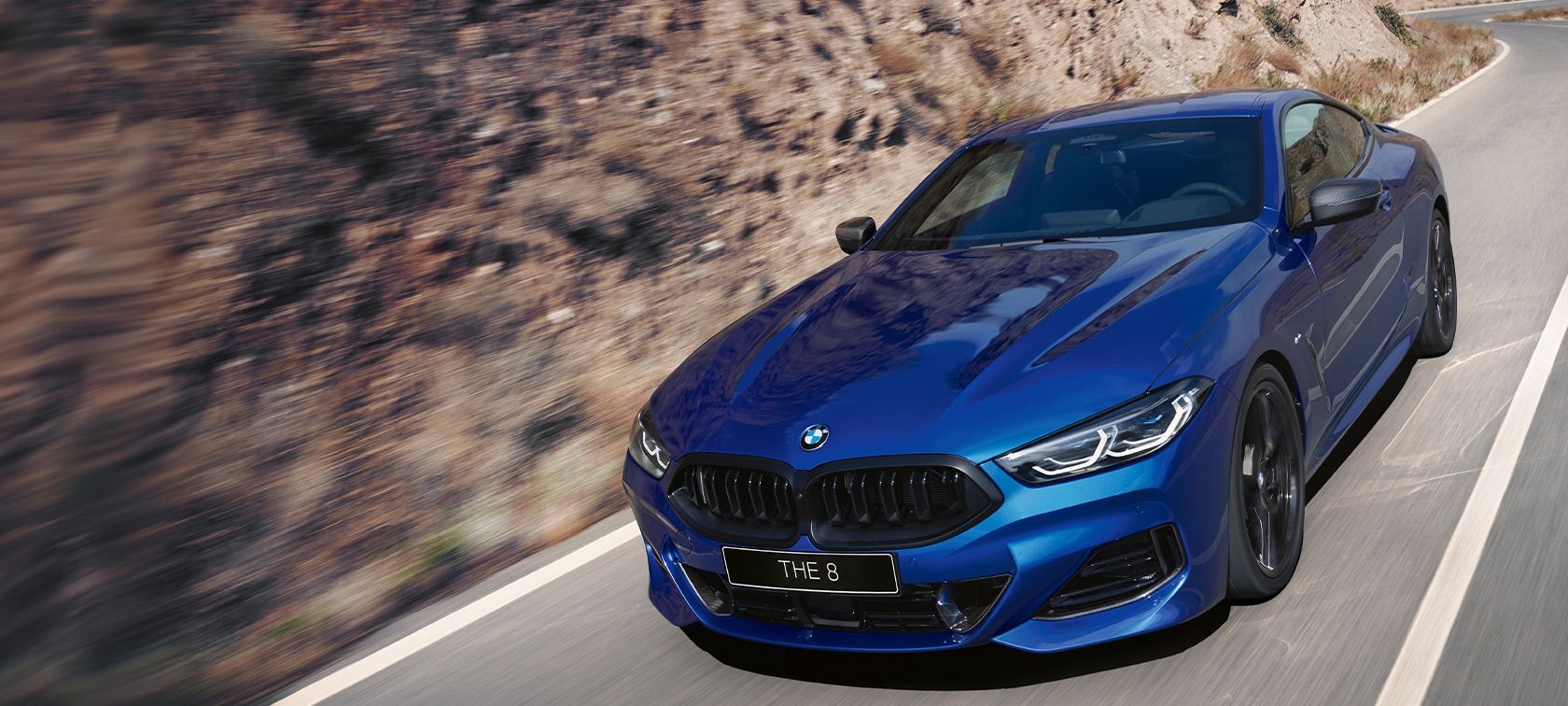
(Image Source: BMW)
Overseas automakers and Chinese companies have already embarked on a path of deep cooperation. In 2024, XPENG Motors collaborated with Volkswagen to plan the development of two pure electric models based on XPENG's electronic and electrical platform. In 2025, cooperation between the two automakers deepened, with plans to develop fuel and plug-in hybrid vehicles based on XPENG's electronic and electrical architecture.
Land Rover collaborated with Chery Automobile to develop models based on Chery's new energy vehicle platform. Stellantis, one of the world's four largest automakers, even jointly established Leapmotor International with Leapmotor, essentially entrusting its new energy transition to Leapmotor.
In the field of intelligent driving, BBA collaborates with leading domestic autonomous driving companies such as Momenta and Huawei. Some models are equipped with Momenta or Huawei's intelligent driving systems, as well as HarmonyOS intelligent cockpits.
This collaboration model is known as "Joint Venture 2.0." Unlike Joint Venture 1.0, where Chinese companies provided production capacity and overseas companies provided technology, in the new era, Chinese companies also hold significant technological dominance.
From Joint Venture 1.0 to Joint Venture 2.0, overseas automakers may appear to have lowered their stance, but they have stabilized their market position and secured tangible commercial benefits.
By leveraging the technology and experience accumulated by domestic automakers in electrification and intelligence, joint-venture models can compete with domestic cars in terms of product strength. After collaborating with Chinese automakers, joint-venture brands can also reduce R&D investment to some extent, achieving cost savings.
However, there is still one major shortcoming that needs to be addressed: iteration speed. XPENG and Volkswagen announced their cooperation in 2024, but their first model, the Avatr 08, was not launched until April 16, 2025. With fierce competition in today's automotive industry and new energy models iterating at a pace comparable to digital products, the update speed of joint-venture automakers' new energy vehicles remains insufficient.
Chinese companies can provide joint-venture automakers with hard strength, but joint-venture brands still need to find ways to restore their damaged brand value.
Even affordable models like the Sylphy and Lavida could uphold prestige in the era of fuel vehicles. However, in the new energy era, the brand value of joint-venture cars has plummeted. Brands like Honda, Toyota, and Volkswagen can no longer sustain brand premiums, and even high-end brands like BBA have been significantly impacted.
If brand value cannot be rebuilt and consumers regained, even if product strength improves, joint-venture automakers' sales are unlikely to return to their peak.
Rebuilding the Brand: Have Joint-Venture Automakers Figured Out How?
In response to declining sales in the Chinese market, Mercedes-Benz has formulated a series of plans, including launching seven new models by 2027, deepening cooperation with Momenta, expanding its R&D team in China, and emphasizing its luxury brand identity. However, according to Reuters, at the annual shareholder meeting on April 16, some investors believed that overly clinging to a high-end luxury image would result in missing opportunities to regain ordinary consumers.
Indeed, being expensive does not necessarily make a luxury car, but a luxury car must not be sold too cheaply.
Affected by market competition, BBA models in the high-end market and Toyota, Honda, and other brand models in the mid-to-low-end market have all experienced significant price reductions in recent years. Price reductions for mid-to-low-end models will not have a major impact on brand value. Future models developed under the Joint Venture 2.0 model can still pursue a cost-effective route and compete with products from local brands.
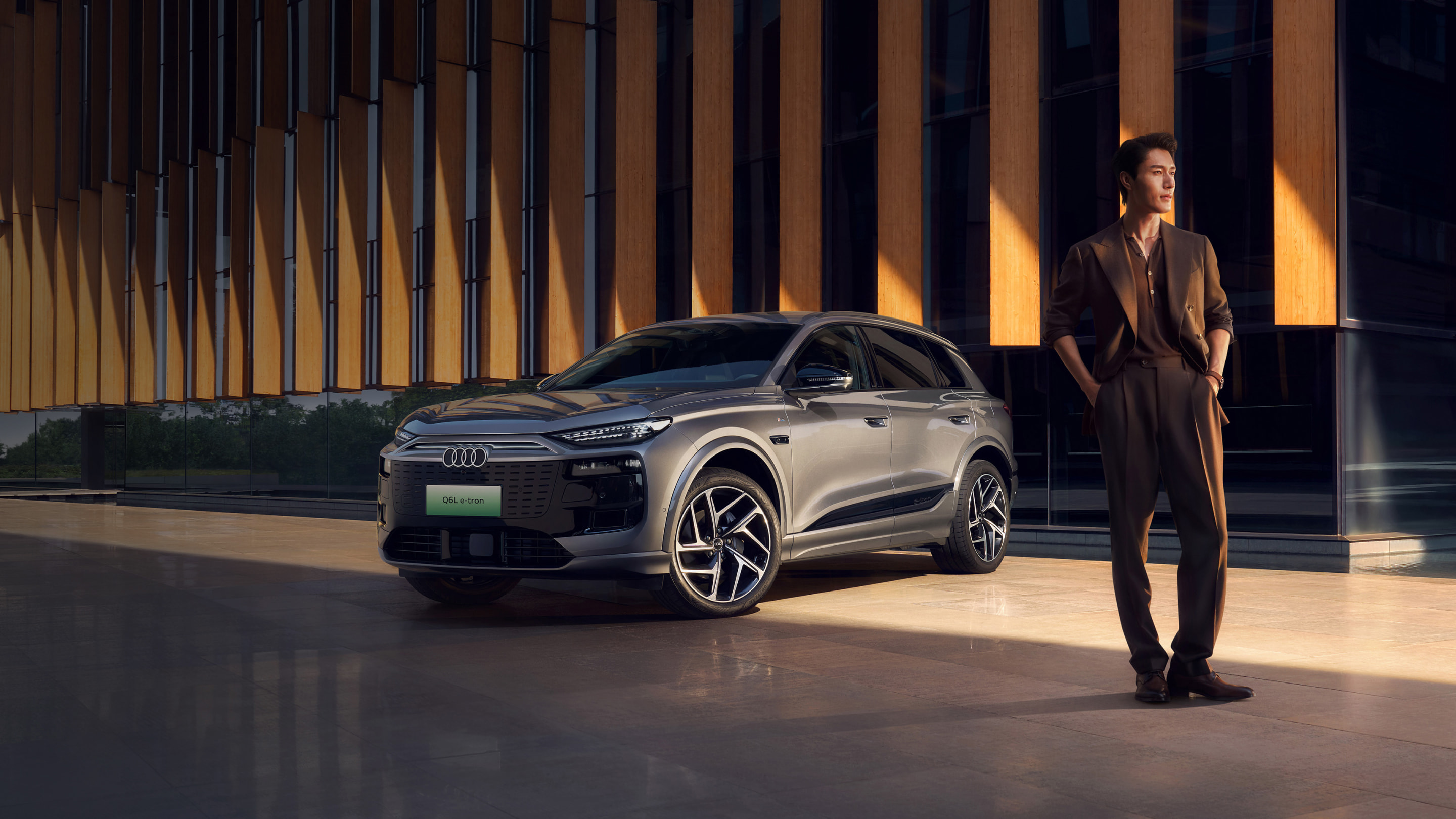
(Image Source: FAW-Audi)
Luxury brands face a dilemma: either reduce prices to match the cost-effectiveness of local brands or maintain prices to tie brand value to prestige.
After price reductions, joint-venture luxury cars, combined with their accumulated brand influence, have the potential to regain peak sales. The downside of price reductions is compressed profit margins, and long-term reliance on this strategy will lead to a continuous decline in brand value.
As for maintaining prices to safeguard brand value, in an environment where domestic cars claim to offer "the best SUV under 10 million yuan" or "the best SUV under 5 million yuan" and continuously introduce high-end configurations, perhaps only ultra-luxury brands like Lamborghini, Ferrari, and Rolls-Royce can remain unshaken by the impact of domestic cars.
In Dianchetong's (ID: dianchetong233) view, the safest path for traditional luxury brands like BBA is to lower their stance and stand alongside NIO, Li Auto, and AITO in the same product tier, enhancing product strength and meeting the needs of Chinese consumers.
Even if this path compresses profit margins, stabilizing their foothold in the Chinese market and surviving is the only way to achieve future profitability and a comeback.
(Cover Image Source: FAW-Audi)
Mercedes-Benz, BMW, Audi, Joint Venture Automakers, Huawei
Source: Leikeji
All images in this article are from the 123RF licensed image library
-
Hao Jida, Apple Supply Chain Coil Supplier, Switches Brokerage and Revives IPO Amidst Customer Dependency and Compliance Challenges
-
![]()
Annual Advertising Expenditure of VOYAH with Yudeshui: A Deep Dive
-
![]()
Can Computers, Despite Daily Price Hikes, Still Be a Viable Purchase?
-
![]()
January-June Auto Stocks' 'Resilience Ranking': Geely Alone Posts Gains, Six Plummet Over 40%, One Tumbles 54.5% | Mirror Pro
-
![]()
China’s Public Charging Market: Didi Charging, Teld, and Yunkuai Take the Lead
-
![]()
The First Year of AI-Native Mid-Year Shopping Festival: Technology Reconstructs Human-Product Matching for 618
-
![]()
Micron has released its financial report, showing revenues of $41.5 billion, a 74% increase quarter-over-quarter, with a gross margin of 84.6%. The company provided both short-term and long-term guida
-
![]()
Expert Interpretation of New Policy Combination: Activating the Trillion-Dollar Automotive Aftermarket