GAC Honda Adopts Four Key Strategies, Cancels More Models Than It Launches to ‘Bide Time and Gather Strength’
 04/28 2026
 592
592

Written by/Wan Yanbo
GAC Honda Cancels More Models Than It Launches in 2026
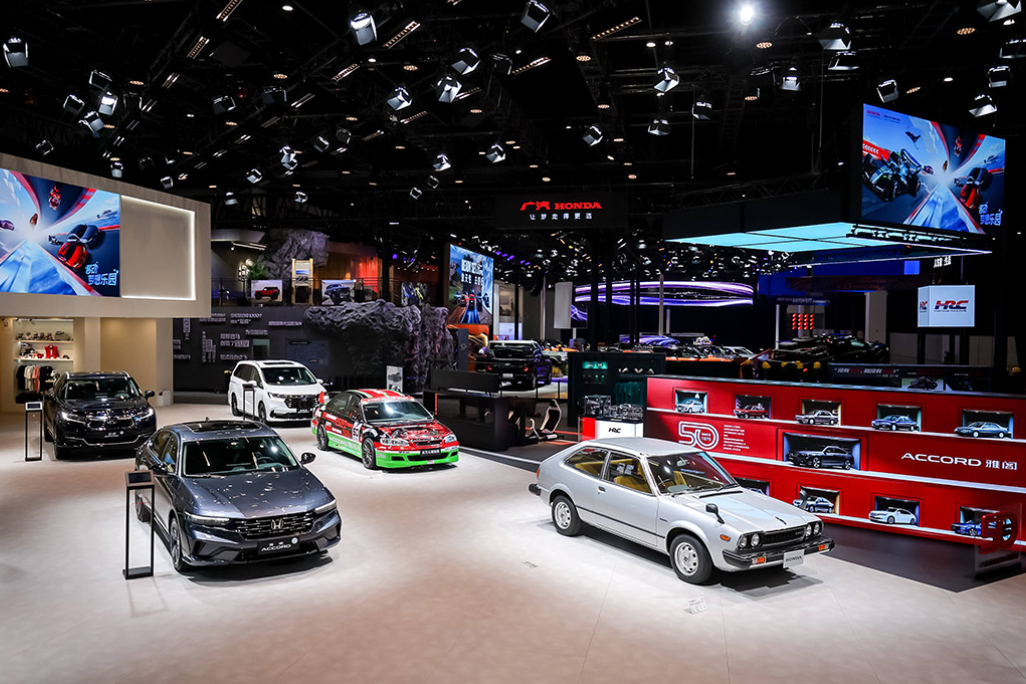
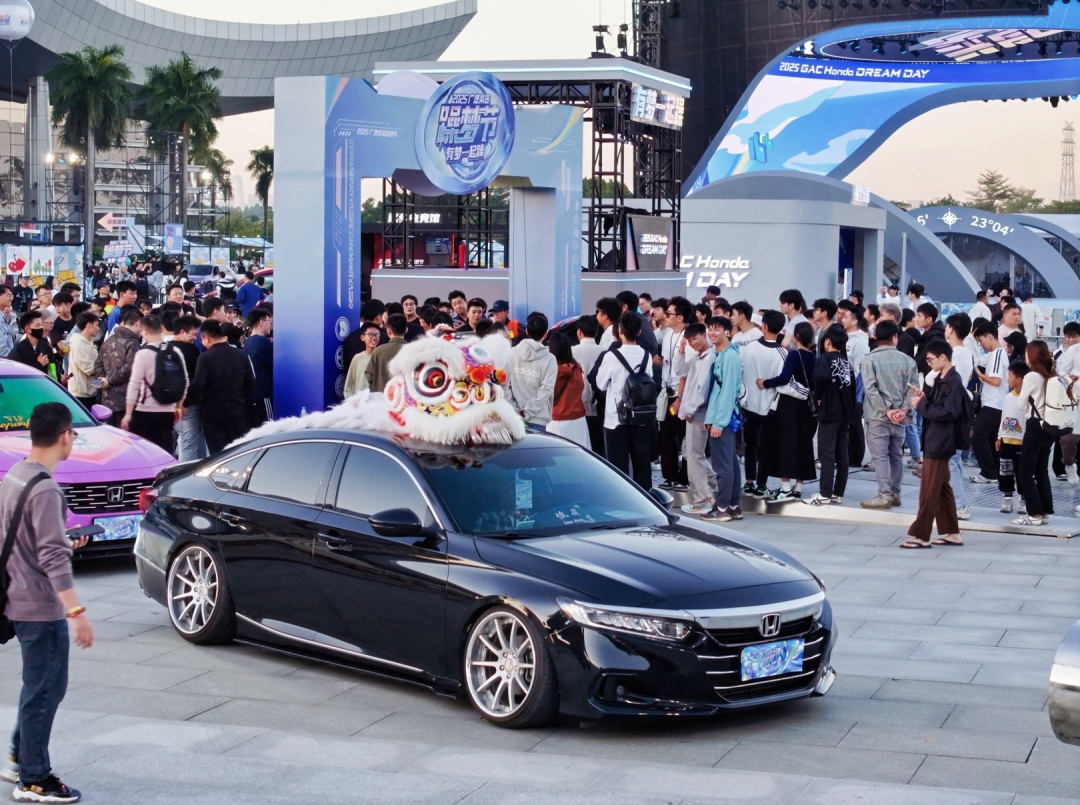
Over the past few days at the Beijing Auto Show, social media has been abuzz with news about which brands launched new models and which ones showcased groundbreaking technologies. A month ago, rumors circulated that GAC Honda would not be unveiling any significant new models this time—a scenario that seemed almost unimaginable given the company's scale and history in China. True to the rumors, GAC Honda's booth was subdued, devoid of PPT presentations or dramatic unveilings. Instead, it featured three Accord models from different eras displayed side by side: the first-generation model imported from overseas, a sixth-generation modified version that completed the 'One Million Kilometer 24-Hour Endurance Race,' and the current 11th-generation model.
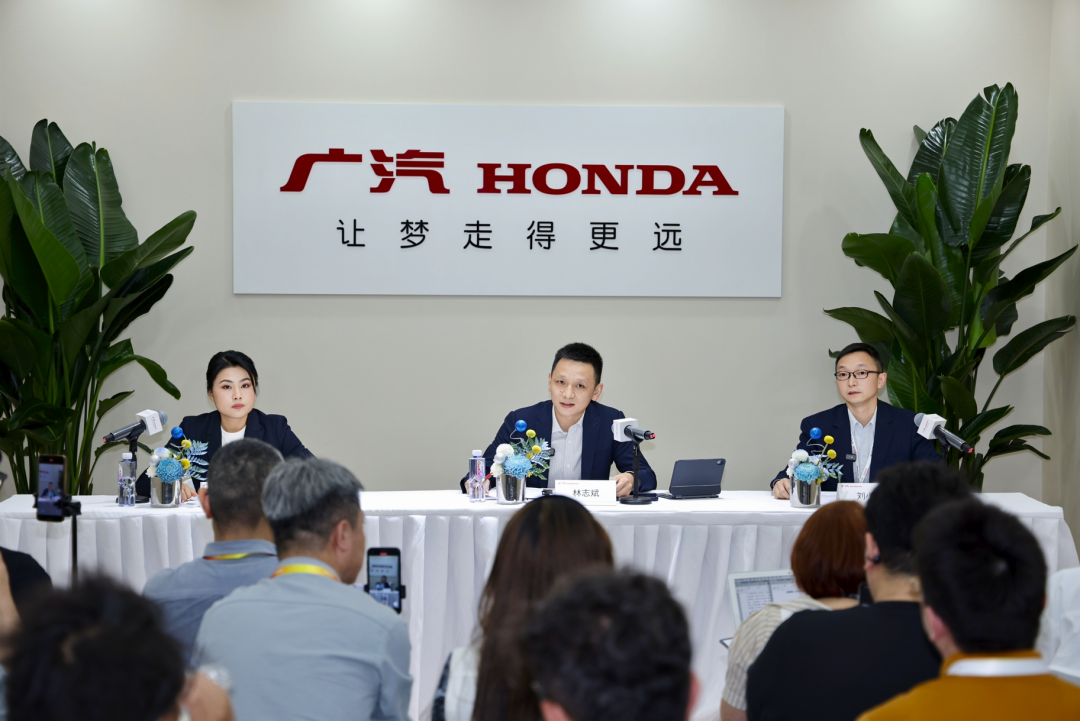
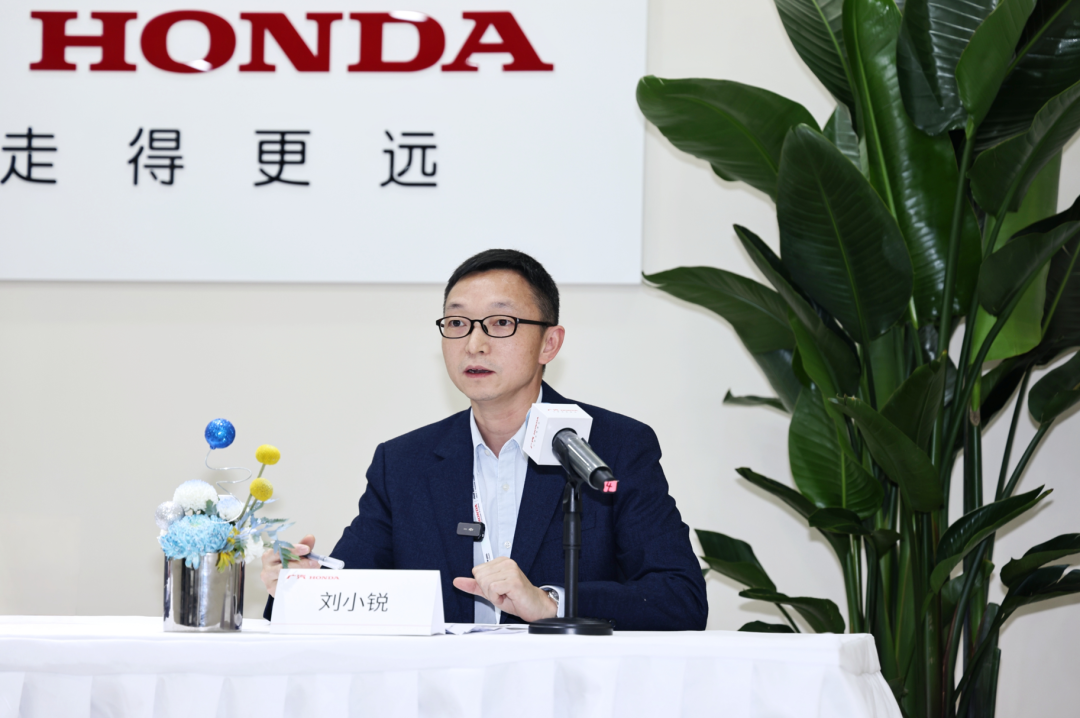
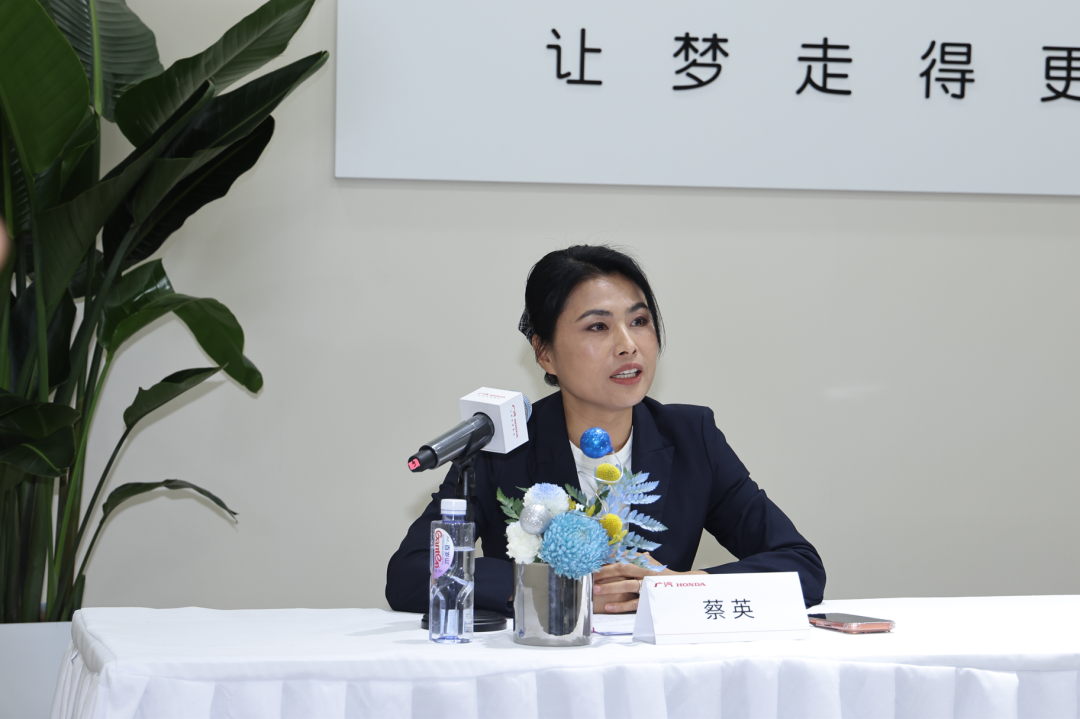
During a concurrent small-scale media briefing, Deputy General Manager Lin Zhibin and Deputy Head of Product Planning Liu Xiaorui spent nearly an hour detailing the company's current strategy. Lin Zhibin got straight to the point: 'In 2026, GAC Honda's strategy will revolve around the keywords—biding time and gathering strength.'
Biding time is not the same as going into hibernation—that was my initial thought.
Let's set the stage. The joint venture landscape in 2026 has indeed faced challenges in recent years. Data indicates that the market share of joint venture brands in China's passenger vehicle market has dropped dramatically from 64.3% in 2020 to 35.4% in 2025, with five out of eight mainstream joint venture automakers experiencing negative sales growth. Honda's sales in China fell by 22.4% year-on-year in the first quarter, with GAC Honda seeing a steeper decline of 56.8%. The brand's premium pricing power is rapidly diminishing in the 200,000-yuan market segment.
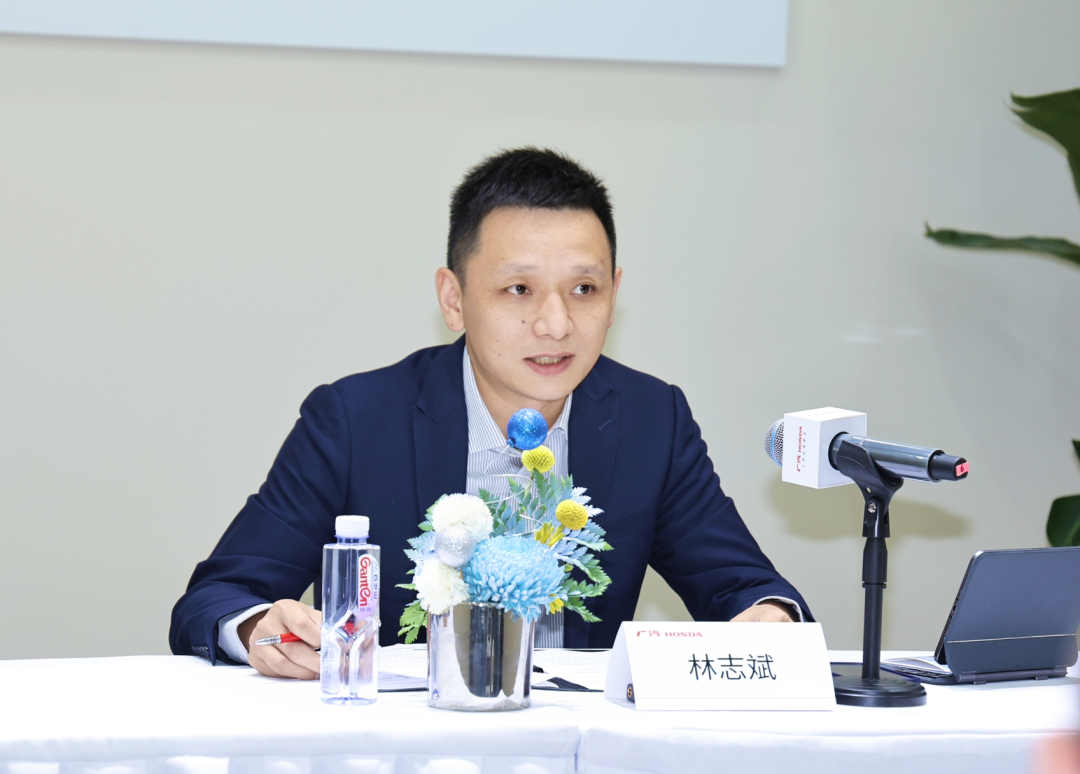
However, Lin Zhibin revealed an important detail that had gone unnoticed by the outside world: GAC Honda is implementing an extremely stringent 'product competition mechanism' internally. In 2026, the company has voluntarily halted several models that failed to meet core competitiveness standards. These models were not eliminated by the market but were cancelled internally. While others are desperately shortening development cycles, compressing validation processes, and rushing to be first to market, GAC Honda is streamlining its portfolio. Liu Xiaorui noted that the mid-cycle refresh of the Accord could have been launched earlier but was delayed by several months for additional validation and optimization. They preferred to delay the launch to the first half of next year rather than compromise on quality. This 'self-pruning' requires significant strategic resolve. In an era where speed is paramount, choosing to slow down voluntarily demands no less courage than accelerating new product launches.
What is the true nature of the market? The penetration rate of new energy vehicles has surpassed 50%, joint venture brands' market share continues to shrink, price wars are raging on, and consumer patience for new technologies is wearing thin. Many claim that joint venture automakers are slow, outdated, and unable to keep pace. But could there be another possibility? When everyone is chasing speed, brands daring to slow down might be building a stronger hand?
GAC Honda currently holds at least four key strategies.
The first is redefining the fundamental logic of joint venture relationships. Lin Zhibin used the term 'bidirectional empowerment.' For the past three decades, GAC Honda's core model involved Honda bringing global models to China, with the Chinese side adapting them. Now, the roles have reversed: the GAC Honda team leads product definition, while Honda R&D and the Chinese side become equal partners in technological co-creation. This is no simple rebranding. From software to hardware, from product development to marketing, the brand's localization strategy is undergoing a comprehensive 'from scratch' transformation. With decentralized R&D authority and local leadership, future GAC Honda products will no longer follow the old formula of 'global model + China-specific configurations.' Instead, they will be defined from the ground up according to Chinese users' preferences.
The second strategy is securing a position in the localized technology ecosystem. GAC Honda officially confirmed two partnerships at the briefing: an intelligent cockpit collaboration with Huawei's HarmonyOS and an intelligent driving system partnership with Momenta. The significance of these names needs no explanation—one is China's leading intelligent cockpit ecosystem, and the other is one of the fastest-moving players in mass-produced intelligent driving solutions. Liu Xiaorui put it bluntly: to 'build better cars that understand China.' In the past, such statements from joint venture automakers lacked credibility. But now, paired with HarmonyOS cockpits and Momenta's intelligent driving, these claims carry weight. Simultaneously, the supply chain is being restructured to incorporate more outstanding local suppliers, creating a closed loop for 'locally led product definition' from the ground up.
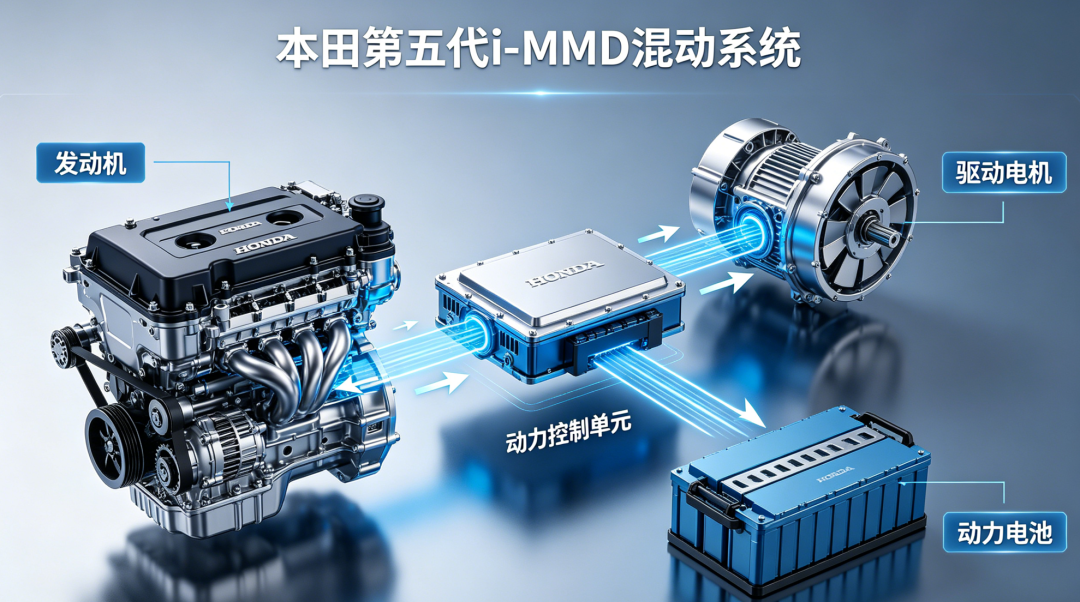
The third strategy leverages Honda's hybrid technology as a cornerstone. The fifth-generation i-MMD hybrid system improves fuel efficiency by over 10% compared to the current model, with lightweight body upgrades and further optimized handling stability. This system is no mere concept on paper—the reputation of the current i-MMD speaks for itself: fuel consumption around 4 liters per 100 km in urban driving, 5-6 liters on highways, costing just 0.3 yuan per kilometer and running on 92-octane fuel. The fifth generation builds on this, improving efficiency by another 10%, with the first model featuring this system set to debut in the first quarter of 2027. Amid fierce competition between plug-in hybrids and pure electric vehicles, a truly efficient hybrid system remains the market's most fundamental and pragmatic need. Not all users have access to charging infrastructure, and not all households need only a pure electric vehicle. GAC Honda clearly understands this.
The fourth and most critical strategy is the 2027 timeline for launching three new models. The all-new Accord needs no introduction—its nearly three-decade legacy in the Chinese market represents GAC Honda's greatest core asset. A new hybrid model equipped with the fifth-generation i-MMD will directly address the Chinese market's demand for low fuel consumption and high reliability. Most notably, a fully self-developed model built on a Chinese new energy platform will take center stage—marking the first genuine technological co-creation between Chinese and Japanese teams. With simultaneous offerings in fuel, hybrid, and new energy segments, this broad coverage is rare among recent joint venture lineups.
A strategic contraction conceals a strategic offensive.
When asked about the joint venture contract expiring in 2028, Lin Zhibin was clear: 'Renewal isn't the goal—development is the reason for renewal.' Those in the industry understand the weight of this statement. By late 2025, GAC Group and Honda R&D had completed capital increases for GAC Honda, which also achieved full ownership of Dongfeng Honda Engine Co., Ltd. These moves represent more than simple asset reshuffling—they signify the materialization of consensus between Chinese and Japanese shareholders. He added that as long as both shareholders share development goals and provide resource support, contract renewal will follow naturally.
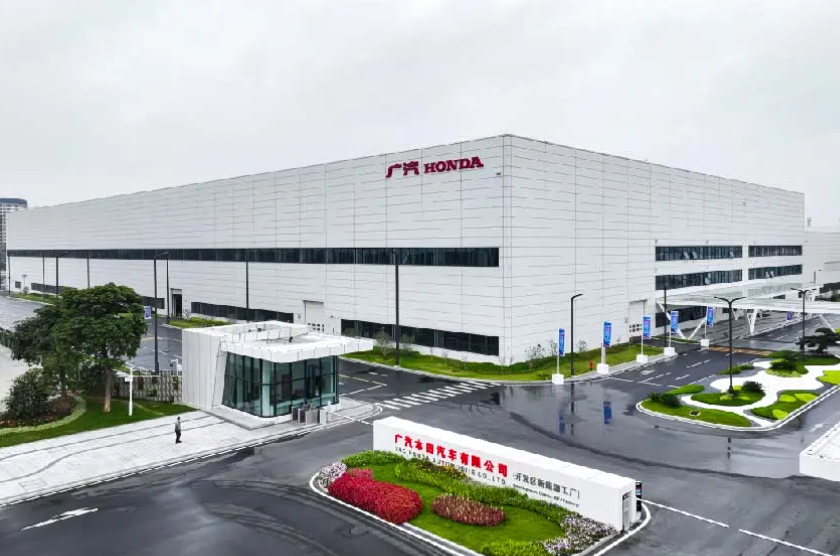
Adjustments at the production end are also underway. The restructuring of Guangzhou's fuel vehicle factory focuses on structural optimization—eliminating inefficient legacy capacity and prioritizing high-efficiency output to pave the way for new technologies and products. Simultaneously, inventory reduction efforts are easing pressure on dealers. Lin Zhibin summarized this approach as a 'dual focus on corporate efficiency and channel relief.' GAC Honda's total production capacity in China will adjust from 1.2 million units to 720,000 units. While this appears contractionary on the surface, it represents precise capacity restructuring.
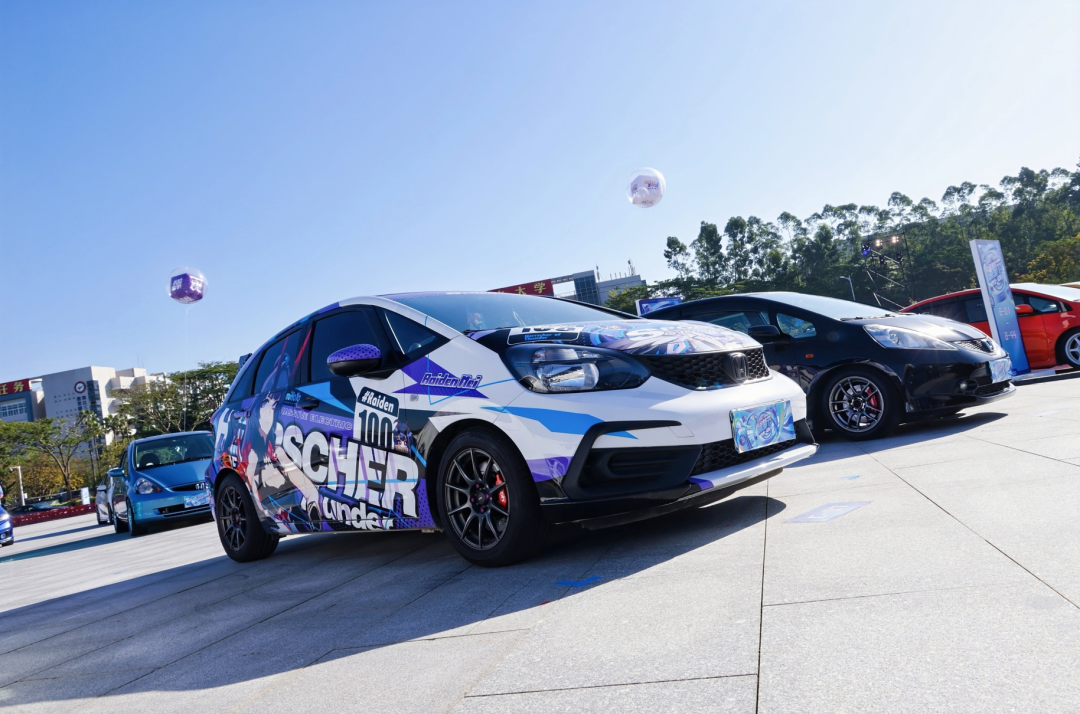
Liu Xiaorui made a simple yet poignant remark. He said that as market competition becomes cutthroat and products iterate like fast-moving consumer goods, what users truly need is a reliable, durable travel companion capable of traversing mountains and rivers, standing the test of time—a vehicle that can accompany them for a decade or even clock a million kilometers. This isn't nostalgia; it's GAC Honda's most fundamental brand asset from the fuel vehicle era. Models like the Accord, Odyssey, and Fit have all rooted themselves in the market through durability. Last year, a 26-year-old sixth-generation Accord with nearly a million kilometers completed a 24-hour endurance race covering 2,181 kilometers—an achievement more convincing than any advertisement.
Meanwhile, Liu Xiaorui openly acknowledged shifts in user demographics. Younger generations have distinct demands for intelligence and emotional value. Their strategy involves differentiating through intelligent technologies while inheriting Honda's classic design ethos, aiming to create a 'New Honda' value proposition—neither abandoning their heritage nor stubbornly resisting change.

In 2026, GAC Honda did not unveil a single new model at the auto show. However, after reviewing this comprehensive strategy, my assessment of the company is that it is undergoing the most thorough self-reconstruction in three decades of joint venture operations. From unilateral technology input to equitable bidirectional co-creation, from adapting global models to locally led definitions, from formal contract renewals driven by necessity to development-driven foundational consensus—every step addresses the most critical structural pain points of the joint venture model.
This is not silence before an exit. It is a veteran joint venture automaker choosing to pause, crouch, and regather strength in the eye of the intelligent electric era's fiercest storm—preparing to leap higher.
See you at next year's product launch.
-
Hao Jida, Apple Supply Chain Coil Supplier, Switches Brokerage and Revives IPO Amidst Customer Dependency and Compliance Challenges
-
![]()
Annual Advertising Expenditure of VOYAH with Yudeshui: A Deep Dive
-
![]()
Can Computers, Despite Daily Price Hikes, Still Be a Viable Purchase?
-
![]()
January-June Auto Stocks' 'Resilience Ranking': Geely Alone Posts Gains, Six Plummet Over 40%, One Tumbles 54.5% | Mirror Pro
-
![]()
China’s Public Charging Market: Didi Charging, Teld, and Yunkuai Take the Lead
-
![]()
The First Year of AI-Native Mid-Year Shopping Festival: Technology Reconstructs Human-Product Matching for 618
-
![]()
Micron has released its financial report, showing revenues of $41.5 billion, a 74% increase quarter-over-quarter, with a gross margin of 84.6%. The company provided both short-term and long-term guida
-
![]()
Expert Interpretation of New Policy Combination: Activating the Trillion-Dollar Automotive Aftermarket