[Weekly Auto Talk] US-Iran Tensions Affect Japanese Automakers: Toyota Faces Supply Chain Challenges
 05/07 2026
 527
527
Lead-in
Introduction
The automotive supply chain is under cumulative pressure, transforming from a temporary disruption into an unpredictable and enduring challenge.
Supply chain disruptions stemming from the Iran conflict are permeating Japan's automotive industry, with Toyota and its supply chains being particularly severely affected.
Koichi Ito, President of Toyota Industries, recently informed Reuters that feedback from small suppliers indicates an inability to deliver parts normally after two weeks due to the US-Iran situation, posing significant challenges for subsequent production.
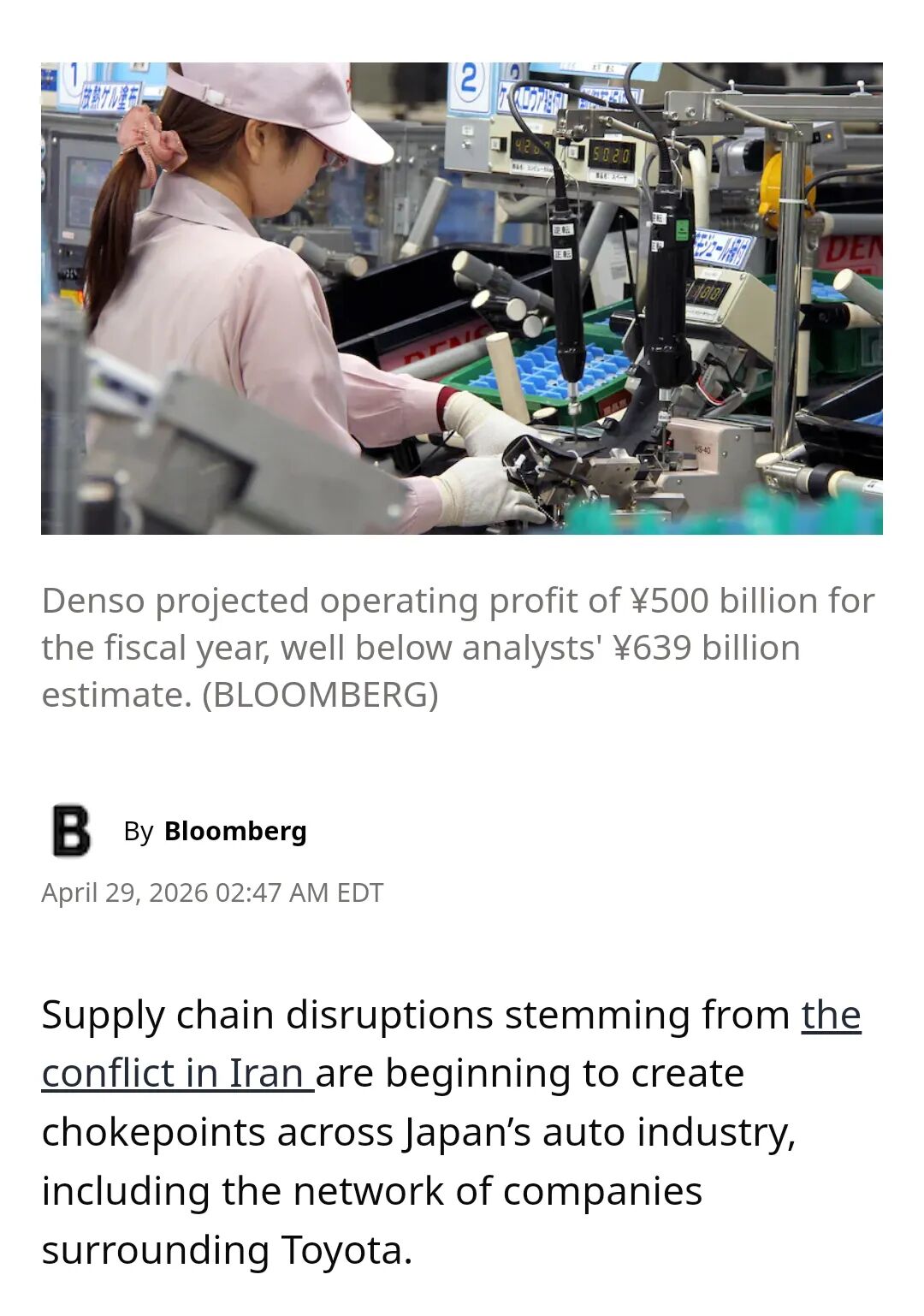
Katsumi Saito, CEO of Toyota Gosei, another key component company within the Toyota Group, also issued a warning in late April. He stated that disruptions in raw material supplies could begin as early as June, with particular concerns about the availability of automotive paint thinners.
Saito explicitly noted that thinners are essential for vehicle painting, and without them, new cars cannot be shipped. Disruptions in this area would have comprehensive impacts on the entire production system, from the painting workshop to the final assembly line.
Amidst this supply chain uncertainty, Japanese component manufacturers are facing a dual challenge:
On one hand, the US-Iran conflict is causing ongoing logistical disruptions, with increasing pressures from rising raw material prices and shortages of basic materials such as aluminum and resin. On the other hand, with the unpredictability of which components might suddenly become unavailable, companies are adopting more conservative and cautious fiscal year performance forecasts to navigate this unprecedented "supply blind spot."
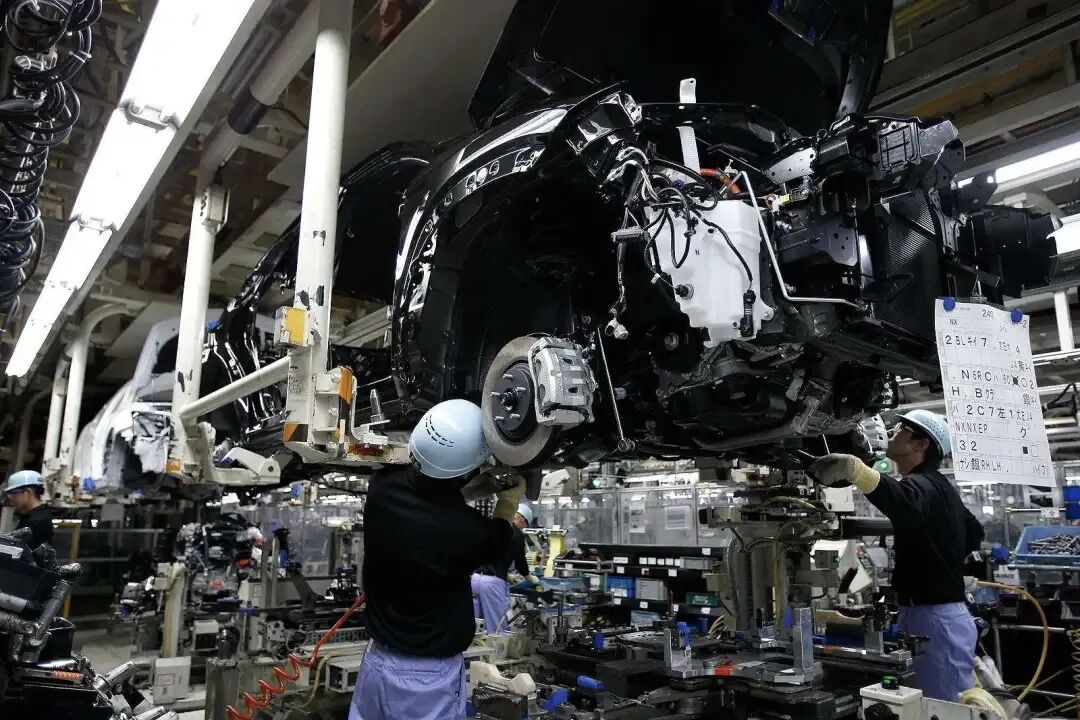
Denso, Toyota's largest component supplier and a "core pillar" in its supply chain, is in a pivotal position.
In light of the negative impacts of the US-Iran conflict, Denso recently announced that its operating profit for fiscal year 2026 (April 2026-March 2027) is expected to be 500 billion yen (approximately RMB 21.75 billion), significantly lower than analysts' estimates of 639 billion yen (approximately RMB 27.8 billion).
Toyota Gosei has announced an annual operating profit outlook of 80 billion yen (approximately RMB 3.49 billion), which generally meets expectations. However, the company's management warns that downside risks are accumulating. A spokesperson for Toyota Gosei stated that the company has factored in the risks of supply chain instability into its profit forecasts, and production supply for the latest fiscal year may decrease by approximately 200,000 vehicles compared to clients' previous annual plans.
A spokesperson for Toyota Boshoku also highlighted that key basic materials like resin are integral to almost all interior components, and these materials are derived from naphtha, with limited substitution options. Naphtha, a light fraction from crude oil refining, is the starting point for producing automotive resins, synthetic rubber, and paints. As securing long-term supply agreements becomes increasingly difficult, Toyota Boshoku is shifting towards signing shorter-term contracts with other suppliers.
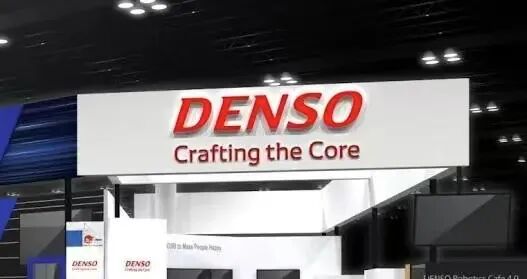
The production of a single automobile involves the precise coordination of tens of thousands of components in a highly interconnected chain. In this tightly coupled system, even the absence of a single, seemingly insignificant screw can trigger a domino effect, causing the entire production line to collapse.
Japanese media comment that the cumulative pressure on the automotive supply chain is no longer a temporary disruption but is evolving into an unpredictable and persistent constraint.
Over the past few months, escalating geopolitical conflicts in the Middle East have obstructed and suspended key maritime shipping routes centered around the Strait of Hormuz, directly impacting the aluminum raw material import supply chains of Japanese companies.
The Japanese automotive industry heavily relies on aluminum resources from the Middle East, with approximately 70% of domestic aluminum raw materials imported from the region. After the maritime routes were blocked, supply gaps quickly emerged, inevitably causing severe impacts throughout the industry chain.
Since the conflict erupted in late February this year, prices for aluminum materials specifically used in automobile manufacturing have surged by approximately 13%. These materials are widely used in producing core components such as engine parts and car wheel rims. The price hikes have further increased production cost pressures for Japanese automakers and their supporting manufacturers, posing significant challenges to industry operations.
Previously, affected by the US-Iran conflict, local automobile factories in India had already staged large-scale strikes and protests. As the world's second-largest importer of liquefied petroleum gas, India is facing its worst gas crisis in decades. To ensure civilian gas supplies, the government has cut industrial gas quotas.
In mid-April, Haryana, a major hub for India's automotive manufacturing industry, announced a 35% increase in the minimum wage standard for automobile workers. This region is home to core automakers like Maruti Suzuki and hosts hundreds of supporting automotive component enterprises. While the wage increase can temporarily alleviate living pressures for automobile workers, against the backdrop of rising raw material prices and persistent supply chain disruptions, cost pressures in India's automotive industry are gradually mounting.
Editor in Charge: Li Sijia Editor: Wang Yue
THE END
-
![]()
Samsung’s Home Appliance Business: A Seemingly Inevitable Decline
-
![]()
Zhipu’s GLM-5V-Turbo ‘Crosses the Rubicon’: The Dawn of a Domestic Multimodal Agent War
-
![]()
Doubao Introduces Charges: Fewer and Fewer Purely Free Large Models
-
![]()
Q1 Financial Reports Released: Cumulative Profits of Ten Automakers Lag Behind CATL
-
![]()
Can Doubao's Paid Subscription Model Succeed?
-
![]()
Understanding China Through DeepSeek's Triple Leap in Valuation
-
![]()
Samsung Home Appliances Exit China: A Strategic Withdrawal Rather Than a Forced Retreat
-
![]()
The Inseparable Dilemma of Gasoline and Electric Vehicles: A Challenge for New Car Sales