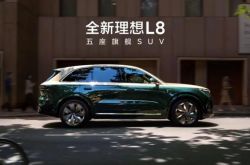
Why Do All Large Six-Seaters Look Alike?
 05/07 2026
 507
507
Lead
Introduction
Is it due to a lack of design capability, or is it an inevitability within the industry?
Over the past two years, no segment in China's domestic new energy SUV market has been as hot as the large six-seater SUVs.
Especially with the rising demand for family travel involving multiple people, coupled with enhancements in the intelligence and comfort of new energy vehicles, large six-seater SUVs have transitioned from a niche, high-end category to a key segment for automakers aiming for both prestige and volume. This explains why the Li Auto L series has solidified its market position with a family-oriented focus, and the Aito series has begun to sell well by leveraging its intelligent cockpit and advanced driving assistance features.
The successive, phenomenal success of models from these two brands has revealed the immense potential of the large six-seater SUV market to more automakers. Whether it's leading domestic brands, emerging new energy automakers, or rejuvenated joint-venture brands, all are accelerating their strategic positioning in the large six-seater SUV market. Consequently, we've seen dozens of new models flood the market in just over a year.
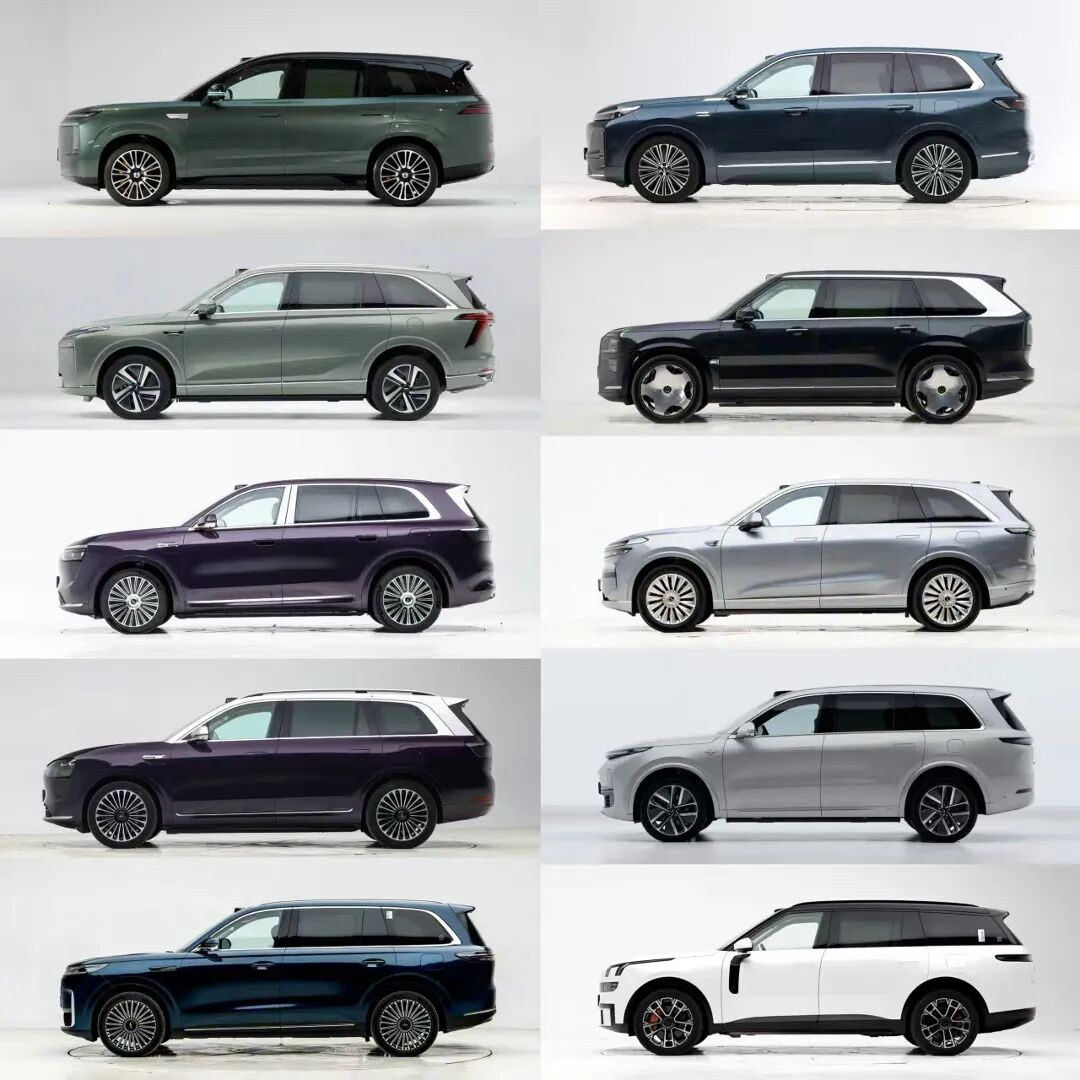
However, as the large six-seater segment transitions from a blue ocean to a red ocean, a concurrent phenomenon has emerged—today's large six-seater SUVs all seem to share 'the same face.' Many large six-seater models, aside from differences in badges and subtle color variations, exhibit a high degree of overlap in overall styling, body proportions, and cockpit layouts, collectively falling into a pattern of homogenization.
01 Large Six-Seaters Share a Common Vehicle-Building Logic
Take the Beijing Auto Show in late April as an example—it served as a concentrated showcase for the homogenization of large six-seater SUVs.
Models such as the Volkswagen ID.ERA 9X, Wuling Huajing S, IM LS8, Wey V9X, Yijing X9, and XPeng GX all made their debut. After reviewing their specifications, it's not hard to notice that these large six-seaters share many similarities. From vehicle lengths exceeding 5 meters to wheelbases consistently surpassing the 3-meter threshold, and from exteriors to interior cockpits, most adhere to a common design logic.
Starting with the exterior, these similarities manifest in rounded, low-drag body surfaces, full fenders, full-width taillights, and refined and sporty body proportions, constituting the standard exterior features of current large six-seater SUVs. Based on this, some industry insiders joke: 'Give these clichéd design schemes to college students, and they could design a highly polished large six-seater.'
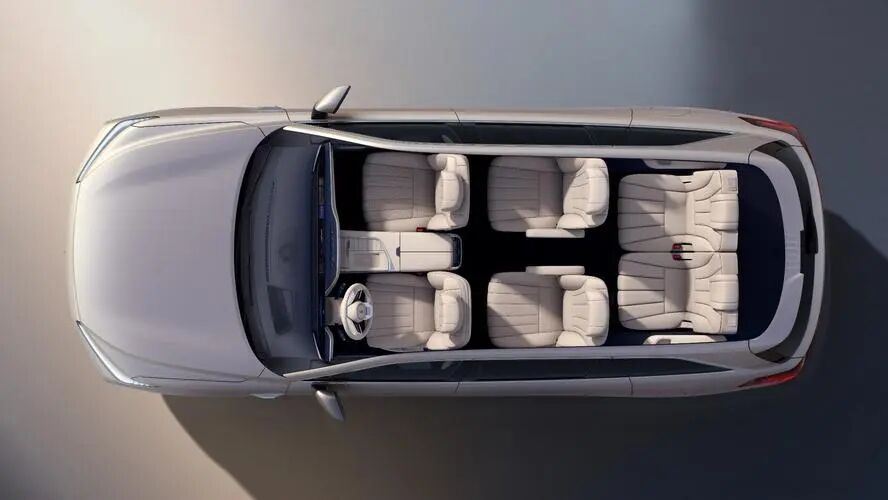
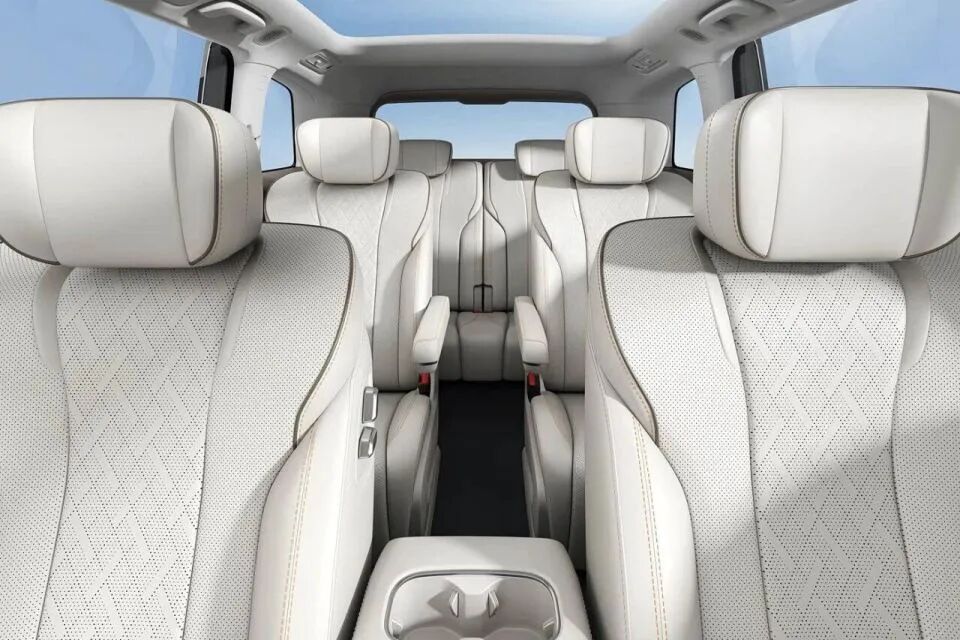
Not only are exteriors homogenized, but interior cockpits are also caught in extreme competition. What meets the eye are full-width central control screens, in-car refrigerators, aircraft-grade seats, and full-zone ambient lighting becoming standard, while differences in intelligent configurations, chassis suspension parameters, and power performance data are minimal.
Behind this high degree of similarity, it's less about designers running out of ideas and more about new energy vehicle manufacturing entering an era of assembly.
This is because many new energy SUV platforms today can be procured in modular components like Lego blocks, with a highly mature industrial chain. CATL and BYD supply batteries, Dongan Power supplies range extenders, and Momenta and Huawei ADS provide intelligent driving solutions. Standardized suppliers are available for core components, software, and hardware solutions.
Relying on this mature supply chain system, the development cycle for new models from project initiation to prototype completion has been compressed to within two years, doubling the efficiency compared to the over five-year development cycle for new platforms by traditional joint-venture brands. However, behind this efficient delivery lies the diminishing voice of designers, with creativity taking a backseat to efficiency in vehicle manufacturing.
The similarity in vehicle design logic is not simply a matter of automakers being lazy.
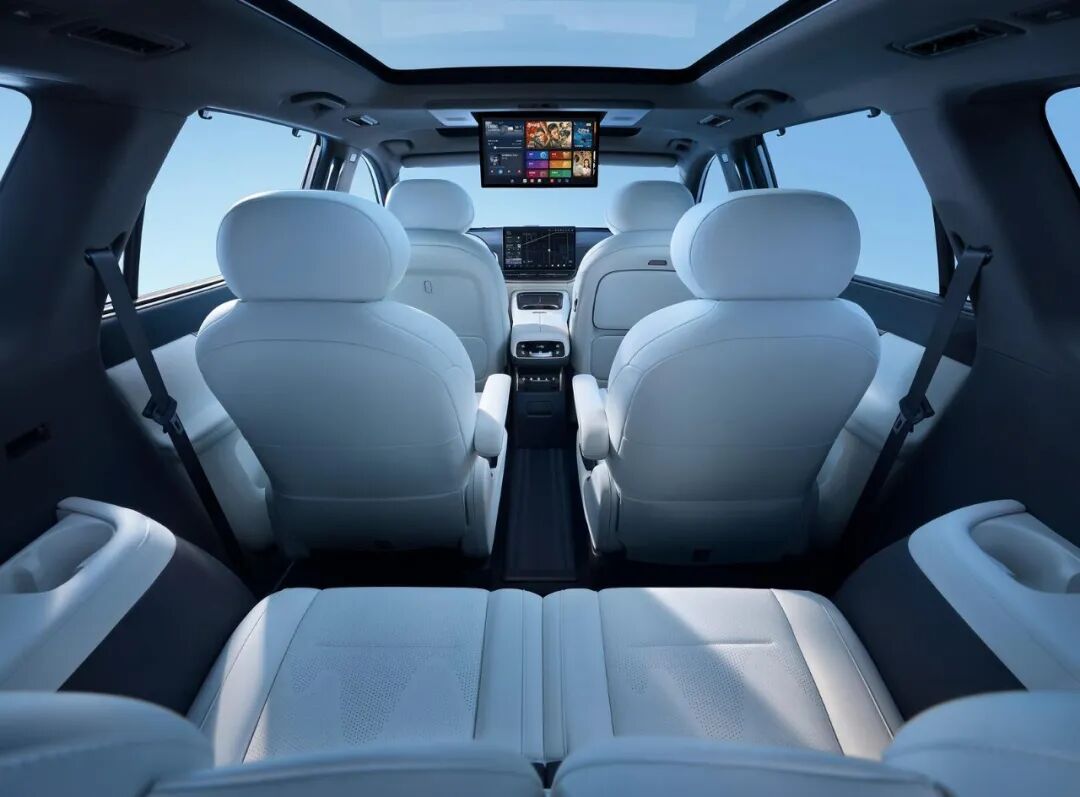
For instance, from a product perspective, large six-seater SUVs with a 3-meter wheelbase face insurmountable physical limitations. To ensure space for third-row passengers, the roofline must extend straight from the B-pillar to the D-pillar, precluding a fastback design. To reduce drag and improve range, the drag coefficient must be kept below 0.26, making rounded, full-bodied contours the only choice.
Thus, constrained by rigid physical conditions, the overall body contour is already fixed, leaving designers with limited creative space—only the front grille, lighting details, etc. However, the industry trend of full-width lighting further narrows design options, so what the industry calls 'parametric front faces' are essentially minor adjustments to lighting details on a unified template.
02 Consumer Demand May Not Be the Core Factor
Many believe that both specific designs and macro industry trends are driven by consumer demand.
Consumer aesthetic preferences, usage scenarios, and practical needs have evolved across different eras, continuously pushing automakers to iterate their product designs.
For example, in earlier years, family vehicles favored steady, square body styling and simple, practical interior layouts, aligning with mainstream consumer demands for family transportation, economy, and durability. Today, with the rise of young consumer groups, there's a greater pursuit of individuality, technology, and refinement. Streamlined bodies, floating cockpits, minimalist interiors, exclusive color schemes, and customized exteriors have become mainstream design directions for automakers.
However, the driving force behind automakers' rush to replicate similar large six-seater SUVs is not solely consumer preferences but also profit motives.
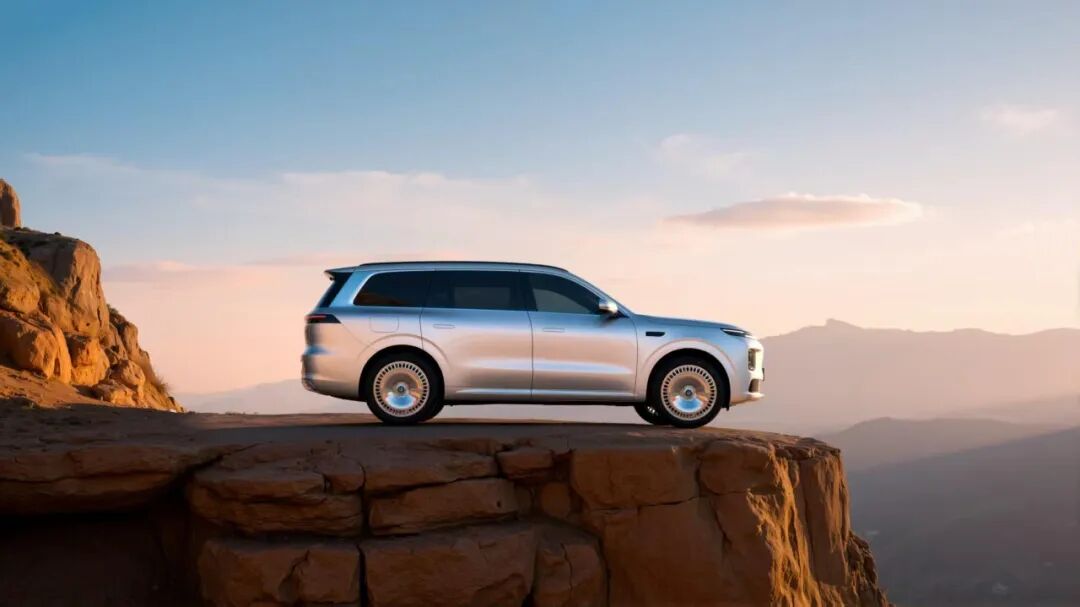
Compared to mainstream family SUVs in the 100,000-yuan range, large six-seaters in the 200,000-500,000-yuan price segment offer double the gross profit. Allocating the same costs to high-end models is far more cost-effective than producing entry-level models and also helps brands penetrate the high-end profit market.
But does this approach guarantee success?
Currently, the Matthew effect in the large six-seater SUV market is becoming increasingly pronounced. Leading brands Aito and Li Auto together account for over 50% of the market share, with other brands dividing the remainder. New models continue to flood the market, intensifying competition. More critically, high product homogenization is undermining the market pricing system: when entry-level large six-seaters in the 200,000-yuan range and high-end models in the 400,000-yuan range are nearly identical in appearance, configuration, and specifications, the premium pricing power of high-end models comes under sustained pressure, causing the entire segment's product positioning to drift downward.
Of course, this is not a bad thing for consumers, as they can now access the space, configurations, and intelligent experiences previously found only in high-end flagship models at lower prices—a direct reflection of the maturity of the new energy industry. However, for automakers, a crisis is looming: when parameters, configurations, and appearances no longer differ, the barriers to brand premium pricing will collapse.
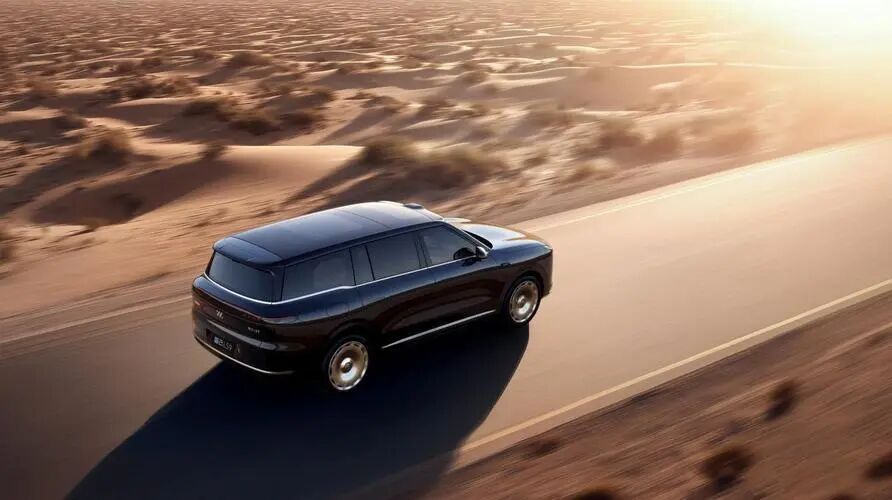
Consider this: models like the Wuling Huajing S are about to enter the 200,000-yuan price range. With other products priced several times higher yet offering nearly identical product forms, which one will consumers ultimately choose?
Ultimately, while standardized supply chains can replicate parameters and configurations, they cannot replicate implicit experiences such as chassis quality, cockpit materials, and driving comfort. Millimeter-level parameter differences and subtle lighting modifications cannot sustain high-end brand value. The final competition in the large six-seater SUV segment will inevitably break free from templated competition and return to users' most authentic driving experiences—the only way for automakers to break free from homogenization and establish a firm market footing.
Because the key to a product's success does not lie solely in its design aesthetics.
Editor-in-Chief: Cao Jiadong Editor: He Zengrong
THE END
-
![]()
Total Investment Hits Nearly 3.28 Billion! Goertek Launches Mass Production of 12-Inch Transparent Substrate Wafer for AR Glasses’ Micro-Nano Optical Components
-
![]()
Why Is This Precision Optical Film Leader Worth Reevaluating with a Tens of Millions Procurement?
-
![]()
AI Costs Plummet by 90% Over Nine Years: Key Insights from Davos You Shouldn’t Miss
-
Doubao, Your Late-Night AI Companion, Now Eyes Profitability
-
![]()
SRC Empowers SEER Intelligence to Reach a Market Cap of Tens of Billions, Yet Fails to Sustain Profitability
-
![]()
China’s Embodied AI Industry Faces Fierce Domestic Competition, Making Overseas Expansion Essential for Survival
-
![]()
32.8 Billion Yuan Investment! Goertek’s 12-Inch AR Glasses Optical Wafer Base in Lingang Begins Operations
-
![]()
How Far is the All-New Li Auto L8 from Being the Best Five-Seat SUV with In-House Full-Stack Development?