The notion that 'electric vehicles (EVs) can't handle long-distance travel' is now a thing of the past.
 05/07 2026
 431
431
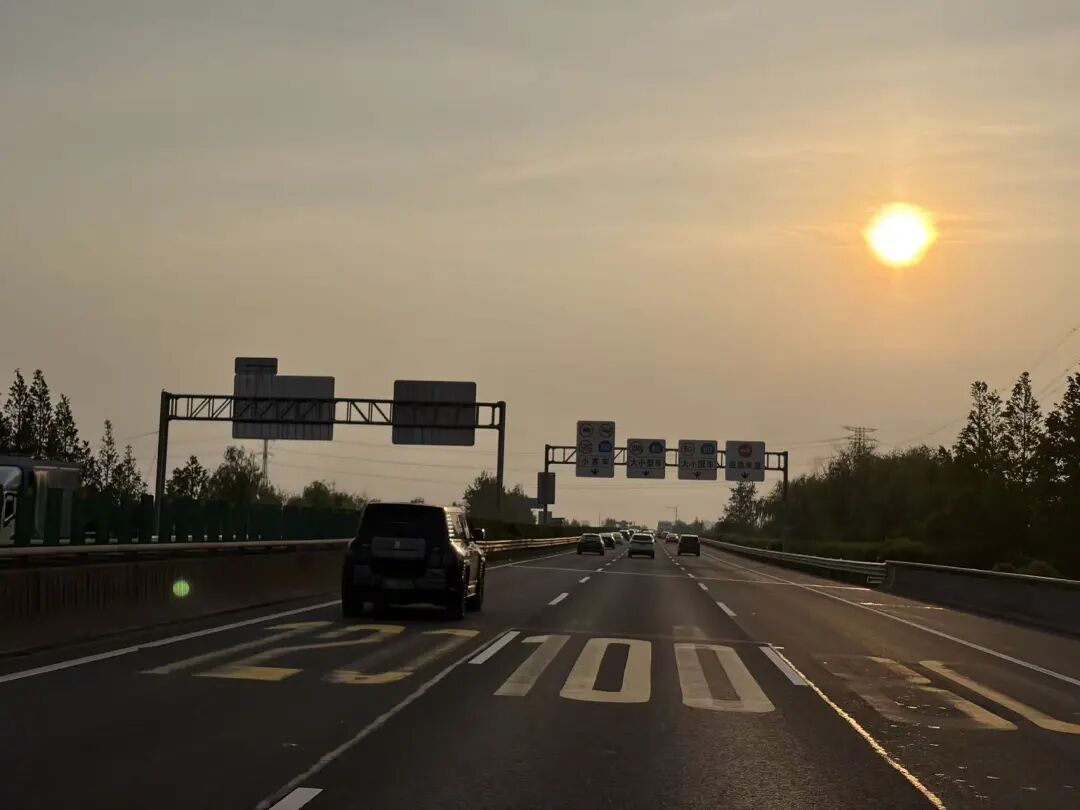
Lead
Introduction
Development is the only hard truth.
'Tracking normal at the Ancient Yellow River Station!'
Around 12 o'clock on May Day, in the 'EV group' where the author mingles, the group admin, Lao Shao, dropped a meme originating from the Chinese space industry.
Here, the 'Ancient Yellow River Station' refers to the Ancient Yellow River Expressway Service Area, located before the Huai'an-Xuzhou Expressway enters downtown Xuzhou. After his signature 'warm-up,' Lao Shao began a 'live broadcast' of the charging facilities at the service area—
'There are 4 fast-charging piles, totaling 8 charging guns, double the number from early 2022. There's also an emergency charging vehicle dispatched by the State Grid, providing an additional 4 fast-charging guns.'
According to inquiries with on-site staff, they arrived at the location on the afternoon of April 30th. On the other side of the expressway, at the service area exiting Xuzhou, there was an identical team with the same 4 fast-charging guns. Based on superior instructions, this temporary measure would officially conclude on the evening of May 5th, after the long holiday.
After a quick tour lasting a dozen minutes, Lao Shao's family returned from the restroom to the vehicle. Before driving off, he posted a scene photo in the group—a barren curbside next to the charging station, specifically @-ing Xiao Song and several other friends in the group: 'Gentlemen, do you recognize this place?'
This unremarkable curbside/road verge was where Lao Shao and those friends first got acquainted.
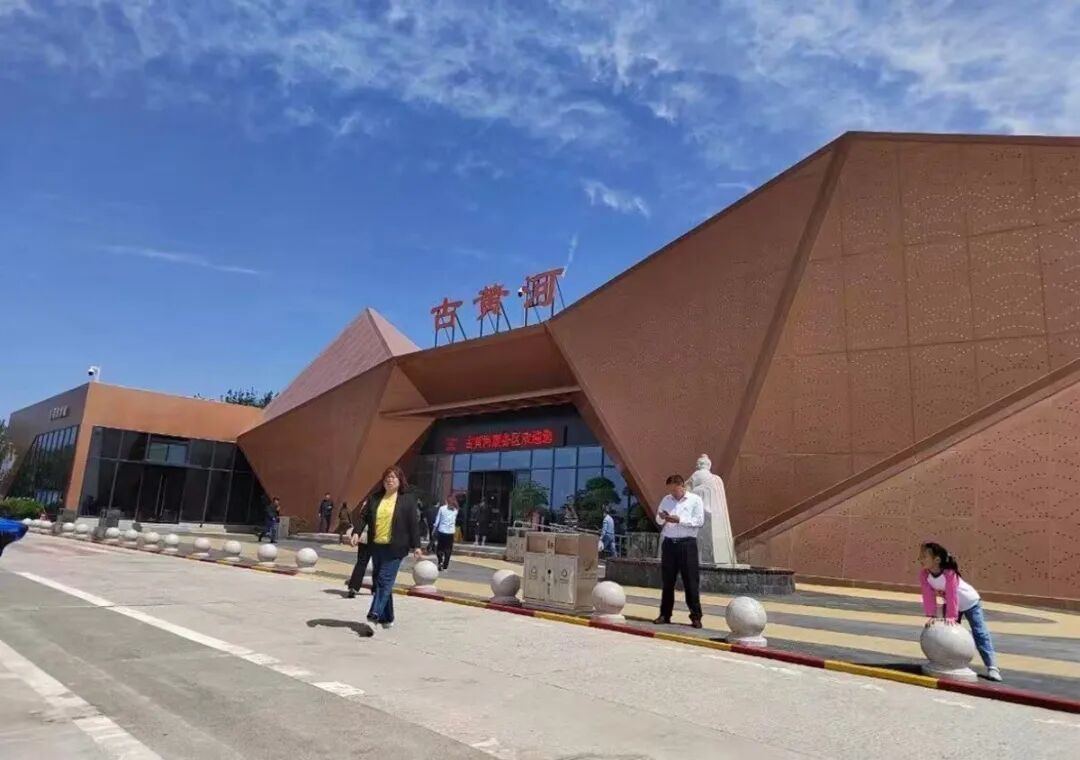
Photo 丨 The old and the new: a world of difference
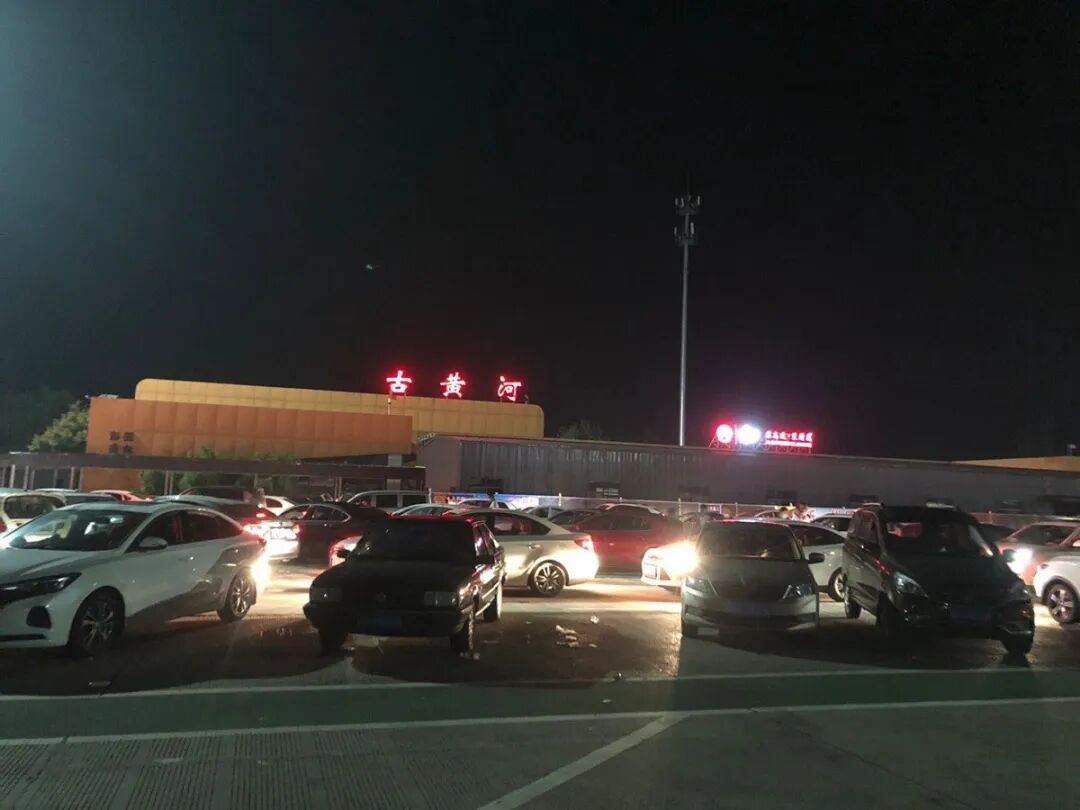
Just over four years ago, around 8:00 PM on January 30, 2022, a group of travelers rushing back to Xuzhou or passing through it to return home found themselves in this very corner, exchanging cigarettes, sharing jokes, and queuing together to charge their vehicles in the bitter cold of the lunar new year's eve. It was from this experience that the 'EV group,' which has since provided the author with numerous writing materials, was established. (For details, see 'Stranded in a Service Area Waiting to Charge on New Year's Eve')
But those days are long gone. By May 2026, the era of EV owners queuing in distress to charge has become a distant memory of a 'tough era.'
01 Progress Through Mutual Adaptation
Around the time Lao Shao reported 'tracking normal,' the author had just arrived in Ningbo by car.
Taking the Shenhai Expressway southbound, crossing the Hangzhou Bay via the Hangzhou Bay Cross-Sea Bridge, and then turning onto the Zhongheng Line to enter the city from the north. During the 2024 Spring Festival holiday, the author had taken the same route. Comparing the two experiences, the most striking impression was the significant increase in green-plated vehicles (NEVs) on the road.
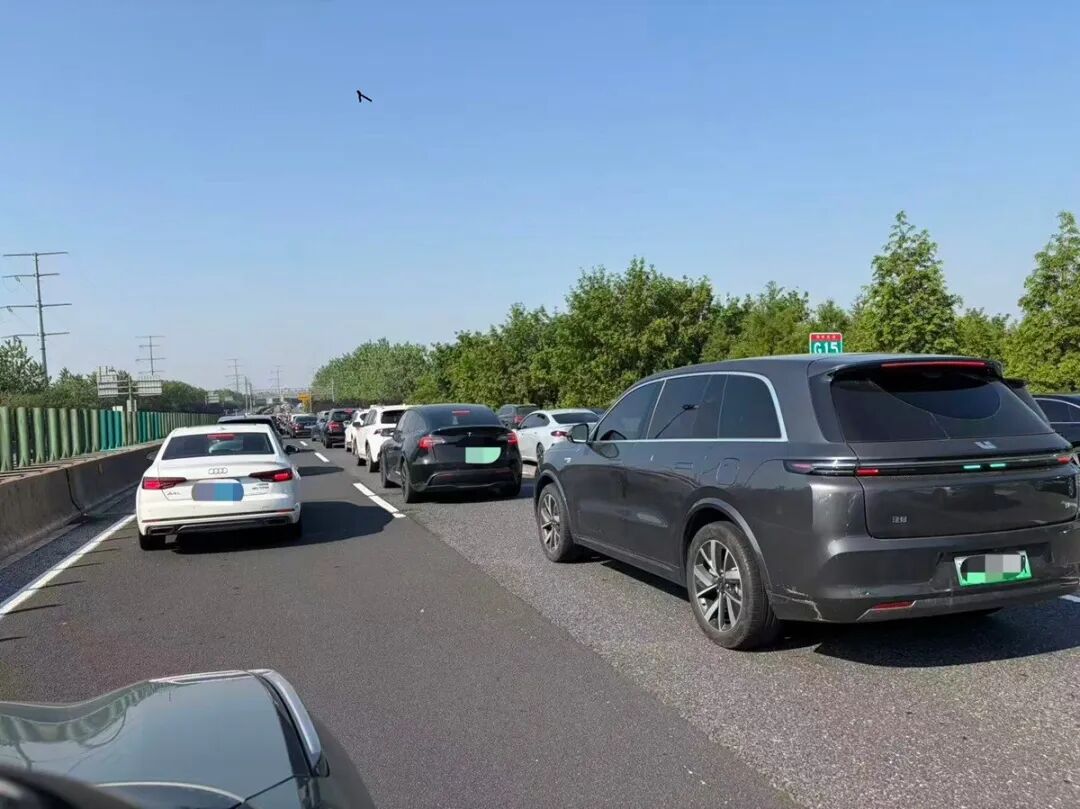
Based on subjective perception, green-plated vehicles had roughly increased from less than 20% in early 2024 to around 40%. Moreover, upon closer inspection of the models, it was evident that a substantial number were pure EVs, and their license plates were no longer limited to Shanghai, Zhejiang, and Jiangsu. Vehicles with plates from Anhui, Jiangxi, Shandong, and Henan were not uncommon.
Presumably, the well-established supporting facilities in the surrounding area provided ample confidence for the majority of pure EV owners—the entire journey was just over 200 kilometers, with three expressway service areas open along the way, and a total of 49 fast-charging, supercharging, and brand-specific piles. A glance at the charging map on a mobile app revealed hundreds of public charging piles within a 30-kilometer radius, everywhere reassuring 'rest easy.'
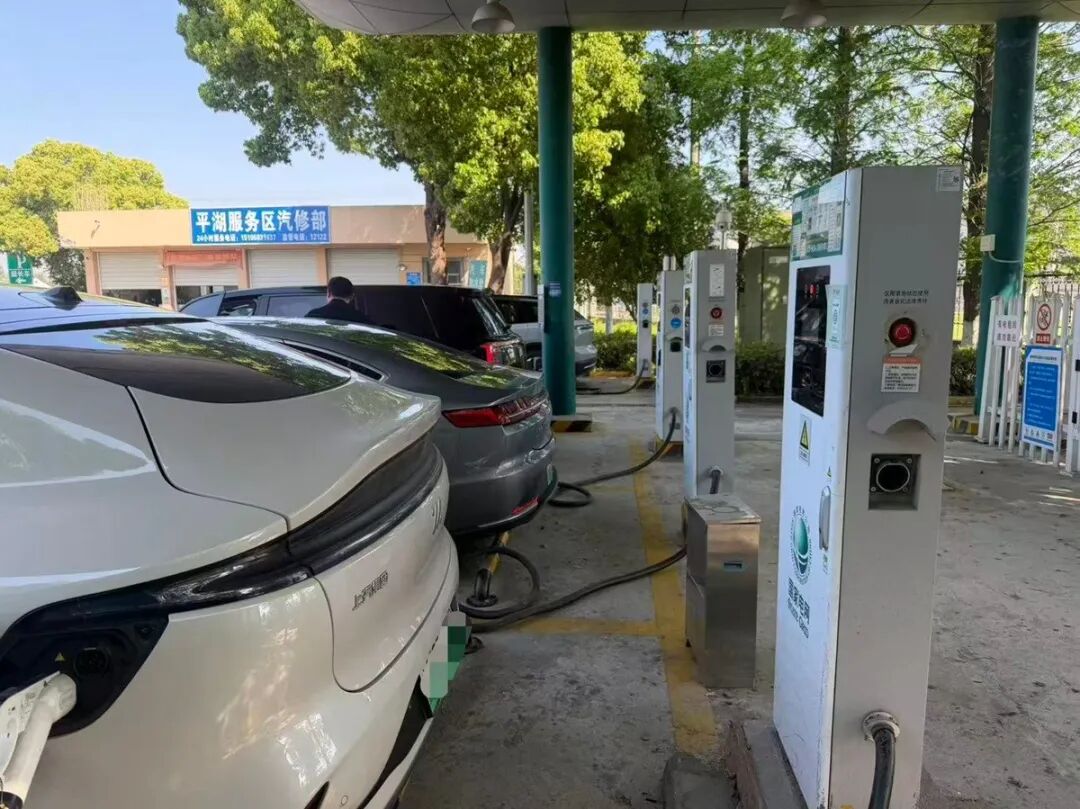
While parked at the Pinghu Service Area for a rest, the author also spotted pure EVs with plates from Gan B (Gansu) and Liao H (Liaoning) charging.
Engaging in conversation with an elderly couple driving an ID.4 CROZZ, the author learned that both were from Yingkou, and the husband had retired last year. With their children busy with their own lives, the couple, with nothing else to do, decided to buy an EV and travel across the country. While charging was not entirely without issues, they weren't in a hurry, and as the husband put it, 'We're old, our energy is low, so why not just find a service area to charge after driving a hundred or two hundred kilometers?'
Charging whenever and wherever possible, taking every opportunity to replenish energy—this has gradually become a collective habit among pure EV owners across the country after years of Repeated running in (repeated adjustments) with their vehicles. On the eastern side of the Pinghu North Service Area, there was a row of 5 single-gun fast-charging piles installed by the State Grid. When the author arrived at the service area at 8:35 AM on May 1st, 4 Shanghai-plated pure EVs were already parked there, taking advantage of opportunities like using the restroom or having breakfast to top up their charge, even though they were only about 70-80 kilometers outside Shanghai. As one owner put it, 'Charging anytime is just a bit more troublesome, but it's better than panicking when the battery is low.'
Some might argue that the infrastructure in the Yangtze River Delta region is top-notch nationwide, and the unrestricted travel of pure EVs in Jiangsu, Zhejiang, and Shanghai doesn't necessarily mean the same is possible elsewhere in the country. So, let's return to Lao Shao's journey home. Departing from Shanghai and taking the Jinghu-Huai'an Expressway in mileage-priority mode to Xuzhou, a journey of approximately 600 kilometers, there are a total of 14 service areas along the way, with 13 equipped with charging piles.
Four piles with eight guns are the basic configuration. Popular service areas like the Yangcheng Lake Service Area added 8 supercharging guns in 2024. Sections with high daily traffic, such as the Jinghu Expressway from Yangzhou to Huai'an, have their corresponding Baoying and Gaoyou service areas receiving special attention, with the number of charging guns reaching 34 and 36, respectively, including those installed by automotive brands. Additionally, hotspots near expressway hubs, like the Jiangdu Service Area, have doubled their configuration with 10 fast-charging piles totaling 20 guns.
Another long-time group member, Xiao Song, set off early on May 2nd from Nanjing with his wife to climb Mount Huangshan. According to his introduction, the supporting facilities at service areas along the way are now highly developed, with popular service areas having emergency charging vehicles to temporarily increase capacity. Dedicated personnel maintain order at charging bays during peak periods. He only encountered a charging queue at the Xuantong Expressway's Ningguo Service Area on his return to Nanjing on the afternoon of May 5th, but even then, it took only half an hour to charge.
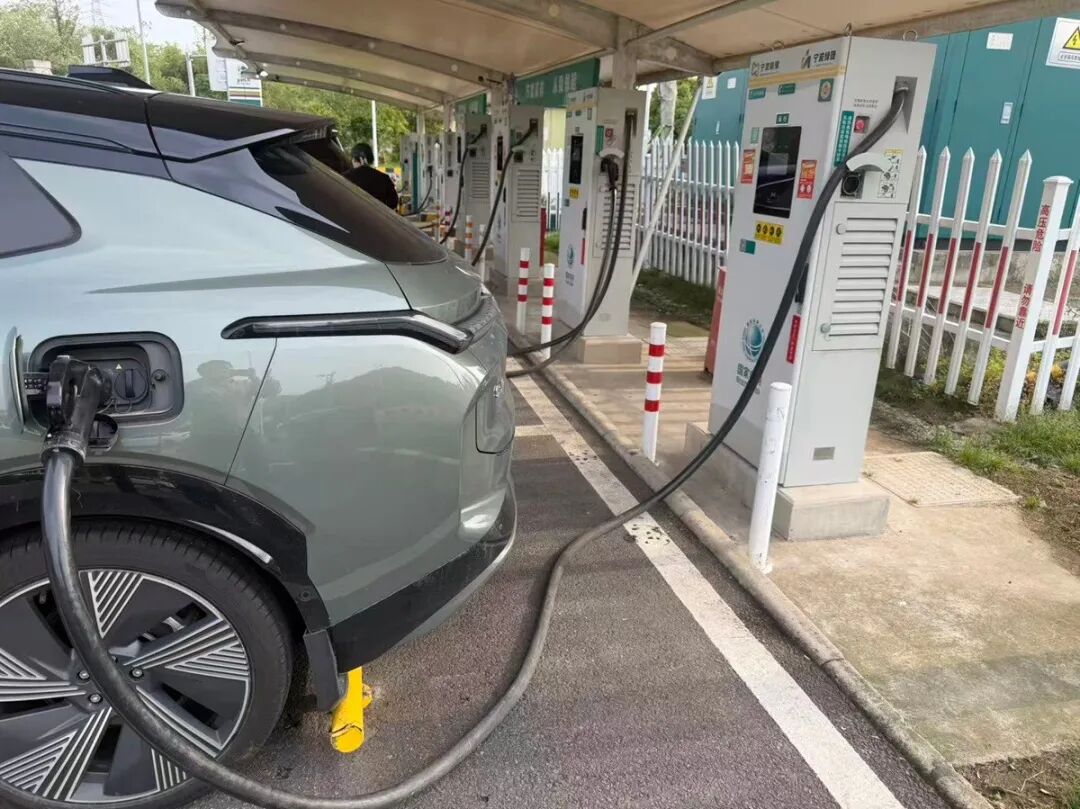
'I think... the charging pile queue issue might be due to many hybrid vehicles also using fast charging, especially now that fuel prices are high,' Xiao Song shared his perspective. Of course, as a hybrid vehicle owner himself, he was naturally one of the culprits causing the charging queue.
02 Five Years: A World of Change
Observing the minute details reveals the bigger picture. The above is the author's latest answer, based on personal experience and connections, to the question of 'EV charging difficulties during holidays,' which has persisted for five or six years, during the recent 'May Day long holiday.' While it may have some geographical and comparative limitations, it does indicate, to some extent, that the daunting issues of just a few years ago are gradually being resolved over time.
Domestic new energy 'range anxiety' was once a major obstacle for early NEV owners during long-distance travel and a critical external impediment to the healthy development of the entire NEV industry.
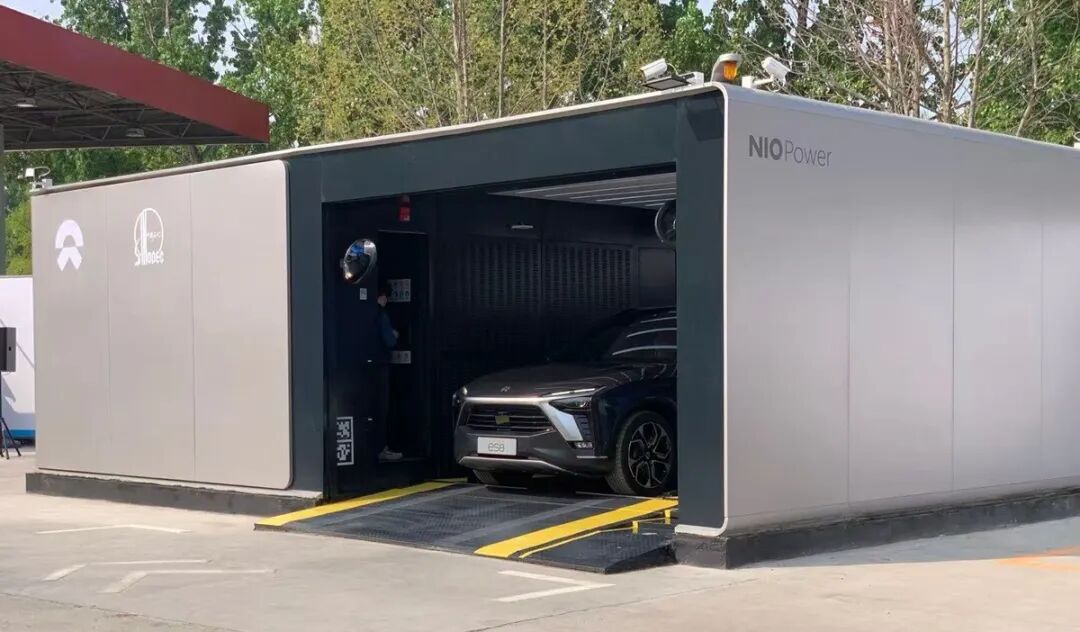
Photo 丨 Five or six years ago, various experts came up with creative solutions to address the 'range anxiety' of pure EVs. The image shows NIO's second-generation battery swap station unveiled in mid-April 2021, with its battery swap solution now evolved to the fourth generation.
Starting in 2021, to prevent consumers from switching to other products due to 'range anxiety,' NEV brands entered a special phase of 'battery stacking' competition. During this time, various pure EV models increased their battery capacities and promoted the adoption of 800v architectures. Brands also roughly around this period began various 'PPT concept competitions' for solid-state batteries.
However, these efforts did not address the core issue.
Because ultimately, everything boiled down to ensuring that pure EV owners could use the domestic expressway system normally during peak periods, just like fuel or hybrid vehicle owners, and to enable NEV owners to feel confident driving and willing to travel by car during holidays.
From the perspective of early 2022, the resolution of this issue seemed almost unattainable. To put it in concrete terms, at the end of 2021, the total number of various charging guns installed in expressway service areas nationwide had just reached 16,500. This was because, at the time, the expressway charging and energy replenishment system in China was still fragmented—strictly adhering to the sectional divisions of provincial transportation groups and various franchised enterprises, with everyone operating independently without affiliation.
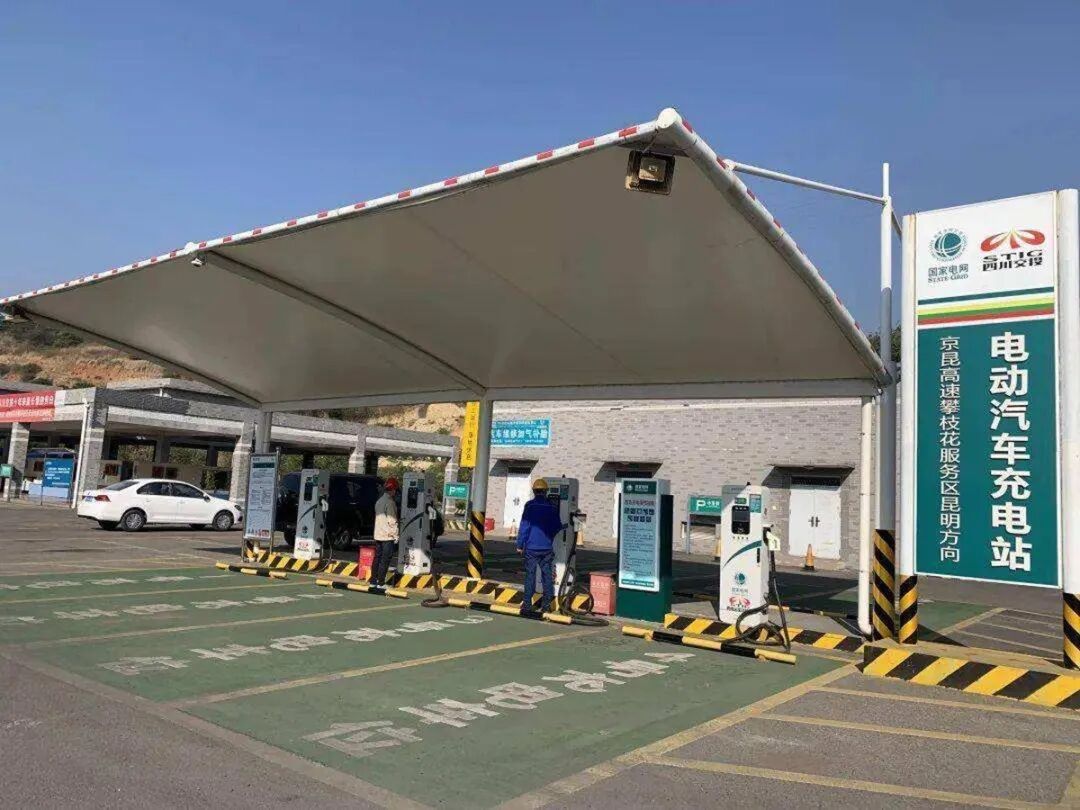
Photo 丨 The growth of NEVs and energy replenishment facilities is actually mutually stimulating. Without the former's significant presence, building the network alone would be purely wasteful.
There were certainly excellent examples, such as the expressway network in the Yangtze River Delta region, which had been laying out fast-charging piles since 2020. Among inland provinces, Shanxi was also at the forefront, having built 609 charging piles and 1,110 charging gun positions in expressway service areas by the end of 2022, taking the lead in achieving basic coverage of charging piles in provincial expressway service areas. However, compared to these excellent examples, vast swathes of other regions remained blank.
On August 1, 2022, the Ministry of Transport, the National Energy Administration, and other departments jointly issued the 'Action Plan for Accelerating the Construction of Charging Infrastructure Along Roads,' pressing the fast-forward button on the expressway energy replenishment network. Entering 2023, with the NEV industry boom reaching its peak, the construction of expressway charging facilities entered a critical period. Various regions introduced specialized plans, such as Hunan Province, which in 2023 planned a large number of charging pile construction tasks for national and provincial highways and expressway service areas, striving to fill gaps.
By the end of 2023, the penetration rate of charging piles in domestic expressway service areas had increased to 85%, with a total of 21,000 charging piles/35,000 charging guns, more than doubling the figures from the end of 2021. However, from the perspective of that time, this growth of more than doubling in two years still seemed insufficient, as the penetration rate of new energy vehicles in the domestic automotive market also entered a sprint-like growth stage in 2023.
Due to the rapid growth in the inventory (inventory) of NEVs at the time, there was immense pressure on the expressway network for a short period. Many might recall the incident where high-speed fast-charging piles refused service to hybrid vehicles.
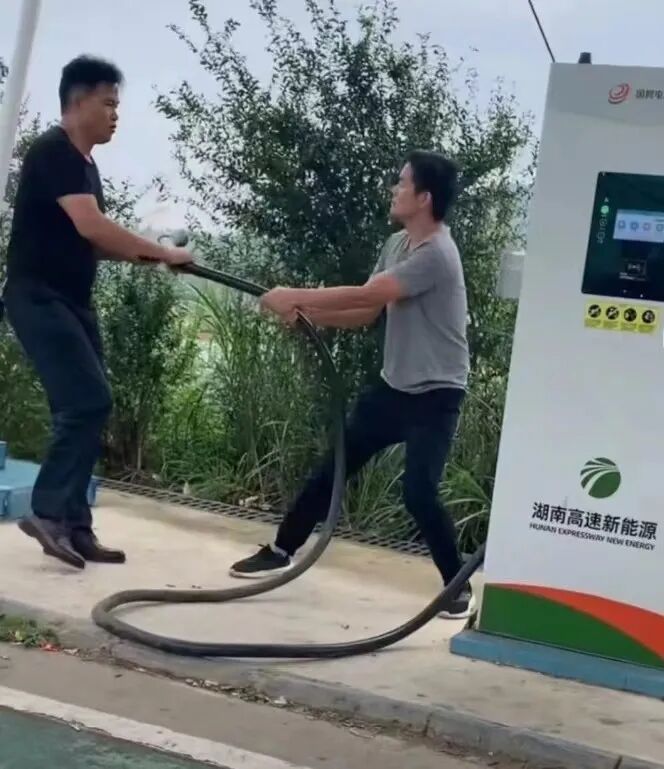
Photo 丨 A famous scene from 2023
Precisely because of these issues, top-level design further upgraded in 2024. In early 2024, the General Office of the State Council issued the 'Guidelines on Further Constructing a High-Quality Charging Infrastructure System,' explicitly emphasizing that 'new expressway service areas should synchronously construct charging infrastructure.' It required that new expressway systems must synchronously consider the construction of charging facilities and make synchronous adjustments to expressway systems already under construction.
In April of the same year, the Ministry of Transport and the National Energy Administration issued another document, calling for the accelerated application of fast-charging and high-power facilities and the establishment of a scheduling and support mechanism for major holidays. The routine deployment of emergency energy replenishment vehicles during long holidays has since become a national norm.
By the end of November 2024, the cumulative number of charging piles built in expressway service areas nationwide had surged to 33,100, with 49,300 charging parking spaces. The proportion of service areas with charging facilities increased from 85% at the end of 2023 to 97%, essentially eliminating charging blind spots on the main expressway network.
Further changes occurred in 2025.
After entering 2025, 'simultaneous road and pile construction' has become a mandatory standard in policy. Multiple provinces and municipalities (such as Yunnan and Sichuan) explicitly stipulated in their doubling action plans for that year that new expressway service areas must synchronously plan, design, and construct fast-charging equipment of 60 kilowatts or above, and encourage the proportion of high-power charging facilities to reach over 25%.
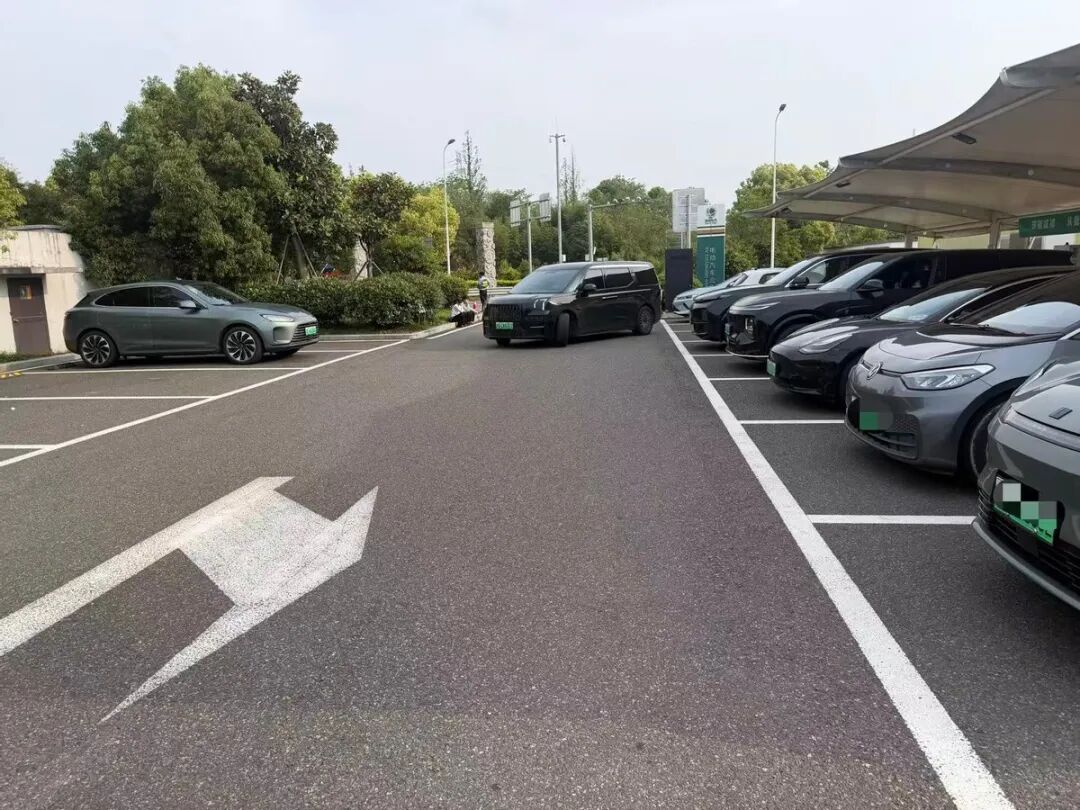
Photo 丨 Taken on May 3rd at the Cicheng Service Area
In terms of scale, expressway service areas nationwide added a staggering 20,000 charging guns in 2025. By the end of 2025, the total number of charging guns in operation at expressway service areas nationwide had reached 71,500, achieving near-full coverage (over 98%) except for a very small number of high-altitude service areas. Additionally, the average charging power per gun had also significantly increased compared to previous years, substantially improving the fast-charging and quick-departure experience for vehicle owners.
"For a large developing country like ours, if we want the economy to grow faster, it cannot always be so calm and steady. We need to pay attention to stable and coordinated economic development, but stability and coordination are relative, not absolute."
In 1992, the Chief Architect, who had officially stepped down from his central leadership position, visited Wuchang, Shenzhen, Zhuhai, and Shanghai in succession as an ordinary Party member, with deep expectations for our cause, and delivered a series of important talks along the way. The above sentence is an excerpt that was later included in his selected works. At the end, there is also a widely quoted and insightful summary—development is the absolute principle!
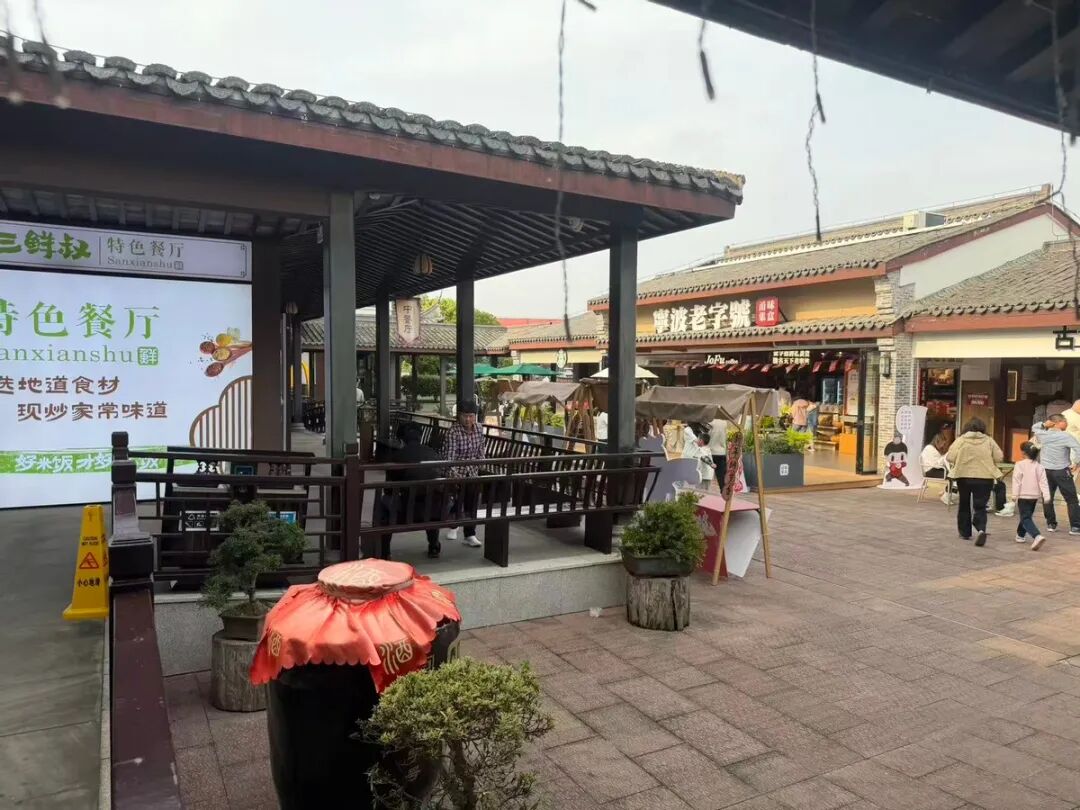
Photo: Nowadays, service areas are also keeping pace with the times in an all-round way. For example, here, even without saying anything, many people would think it was some ancient town scenic spot.
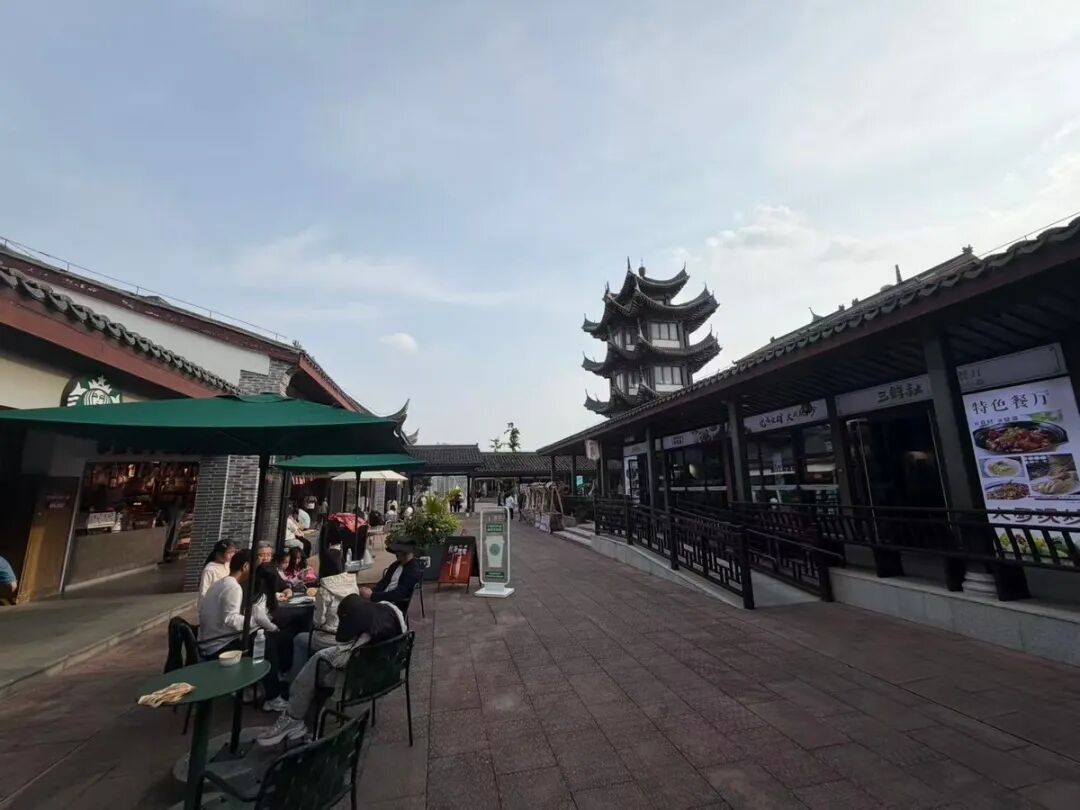
In my opinion, the rise of China's new energy vehicle industry over the past five to six years, and even the improvement of its supporting energy replenishment system, can also be vividly compared and summarized with this passage.
In the final analysis, is there any such thing as "inherent" convenience in the world? Looking back from mid-2026 at the scene in early 2022, it simply shows that there are more charging stations, the layout is correct, and we car owners have also figured out the temperament of electric vehicles—frequent recharging and not pushing it too hard.
Just as Lao Shao said, 'I used to stand here shivering and queuing, but now I can take a photo and make a joke or two.' When Xiao Song and his wife went to Mount Huangshan during the holiday, they only queued for half an hour at the Ningguo service area, and it was the hybrid cars that were making a fuss. Now, when driving an electric vehicle on a long trip, there's really no need to check the strategy (travel guide) three days in advance or calculate the battery level at every intersection.
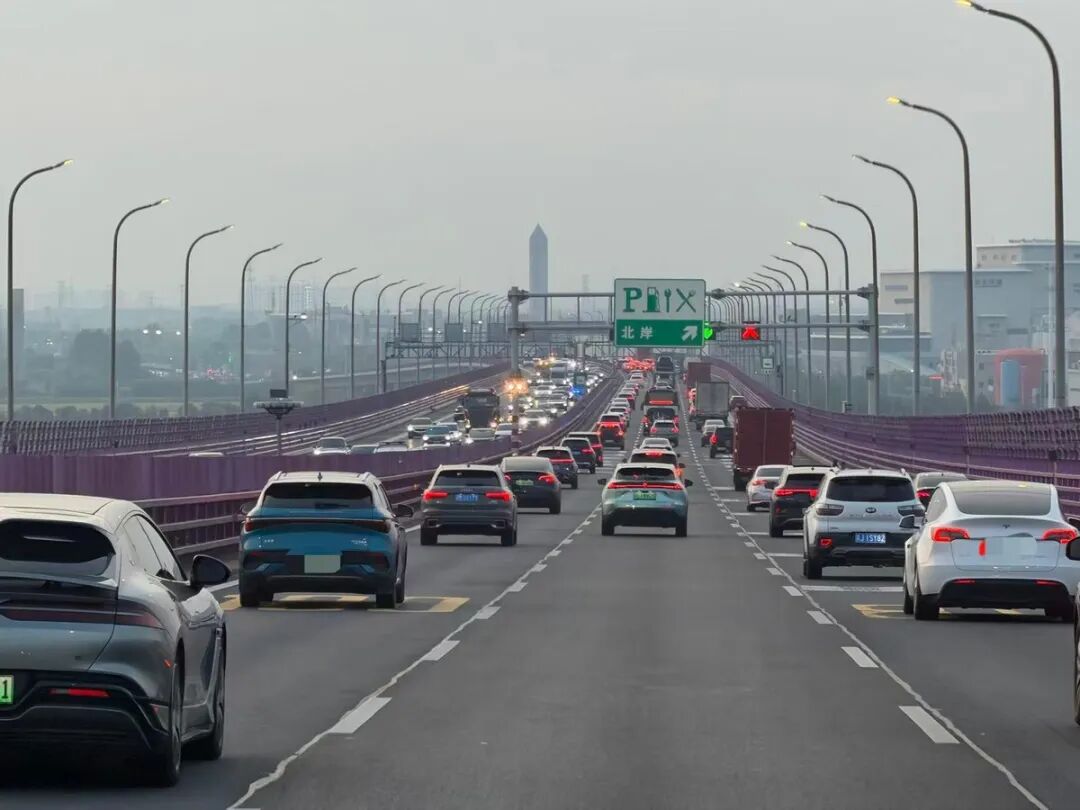
After all these years of mess around (struggle), the most tangible thing is that the so-called iron law that 'electric vehicles cannot run long distances' has now become outdated. It's not that the batteries have suddenly become miraculous; it's that the charging stations along the roadside have provided confidence, and the policies have not just been empty slogans but have truly been implemented in the corners of service areas. Those days of eating instant noodles in the cold wind while waiting for charging are truly gone forever.
So, the question of 'whether electric vehicles can run long distances' no longer really needs an answer. Just point to the increasing number of charging stations on the highway—the answer is obvious.
Editor-in-chief: Cao Jiadong Editor: He Zengrong
THE END
-
![]()
Total Investment Hits Nearly 3.28 Billion! Goertek Launches Mass Production of 12-Inch Transparent Substrate Wafer for AR Glasses’ Micro-Nano Optical Components
-
![]()
Why Is This Precision Optical Film Leader Worth Reevaluating with a Tens of Millions Procurement?
-
![]()
AI Costs Plummet by 90% Over Nine Years: Key Insights from Davos You Shouldn’t Miss
-
Doubao, Your Late-Night AI Companion, Now Eyes Profitability
-
![]()
SRC Empowers SEER Intelligence to Reach a Market Cap of Tens of Billions, Yet Fails to Sustain Profitability
-
![]()
China’s Embodied AI Industry Faces Fierce Domestic Competition, Making Overseas Expansion Essential for Survival
-
![]()
32.8 Billion Yuan Investment! Goertek’s 12-Inch AR Glasses Optical Wafer Base in Lingang Begins Operations
-
![]()
How Far is the All-New Li Auto L8 from Being the Best Five-Seat SUV with In-House Full-Stack Development?