Shop Till You Drop: Chinese Automakers Step Up Overseas Acquisitions
 05/11 2026
 483
483
Lead
Introduction
Overseas acquisitions are set to become a key focus for Chinese automakers in their next phase of global expansion.
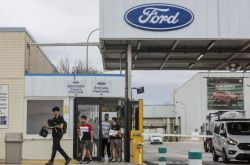
The UGT FORD union in Valencia, Spain, is delighted. A deal secretly negotiated for months between Geely Automobile and Ford Motor Company has been clarified. The jobs of 4,142 employees at the Ford factory in Almussafes seem to be secured.
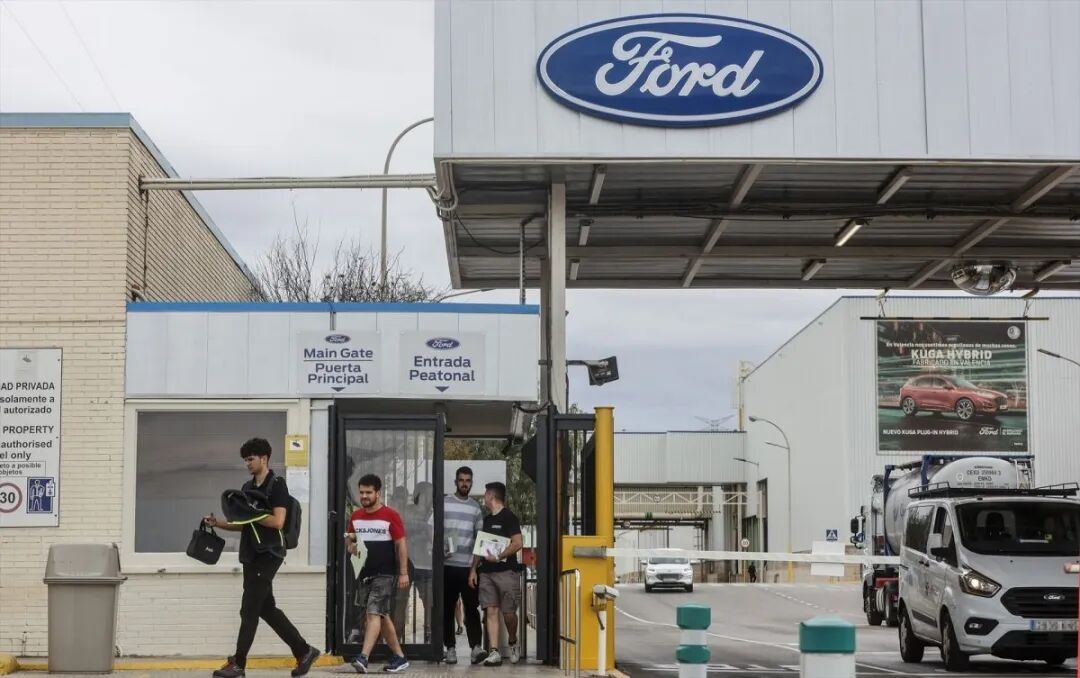
Reuters was the first to break the news. In February this year, Reuters first reported on the negotiations between the two parties, involving European production capacity cooperation. Several months later, on May 5, Spain's La Tribuna de Automoción reported that an agreement had been reached.
However, regarding this deal yet to be signed, Ford called it 'pure speculation,' and Geely said it would 'not comment.' Yet, for the global expansion of Chinese automakers, this marks a new starting point. Why? Overseas acquisitions will be the focus of the next phase.
01 Is Acquisition a Pitfall?
Sixteen years ago, a stunning 'snake swallowing an elephant' acquisition allowed a brand to rise and thrive in the automotive jungle. That brand is Geely, and the target of the acquisition was Volvo. The rest, as they say, is history. Geely's 'game-changing move' reshaped the industry landscape.
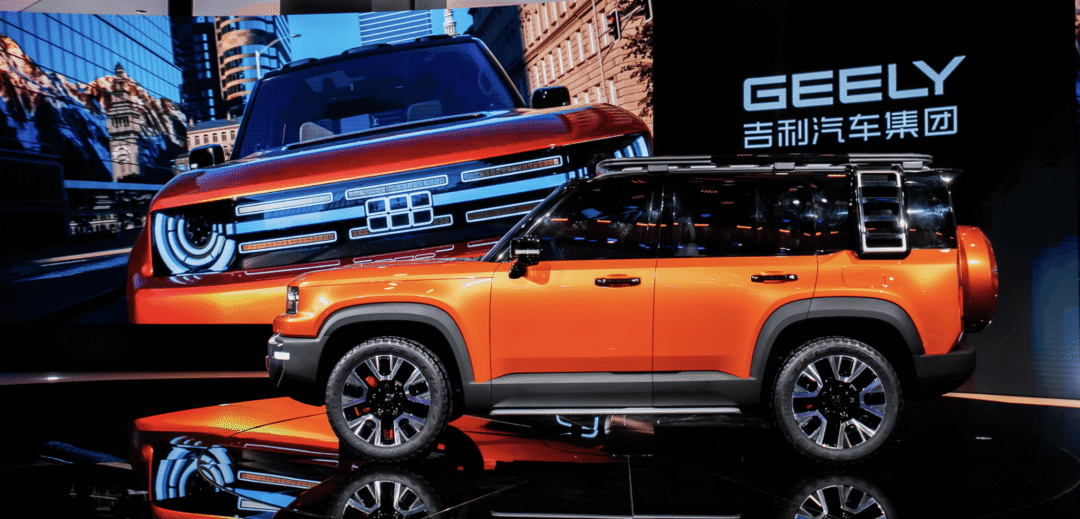
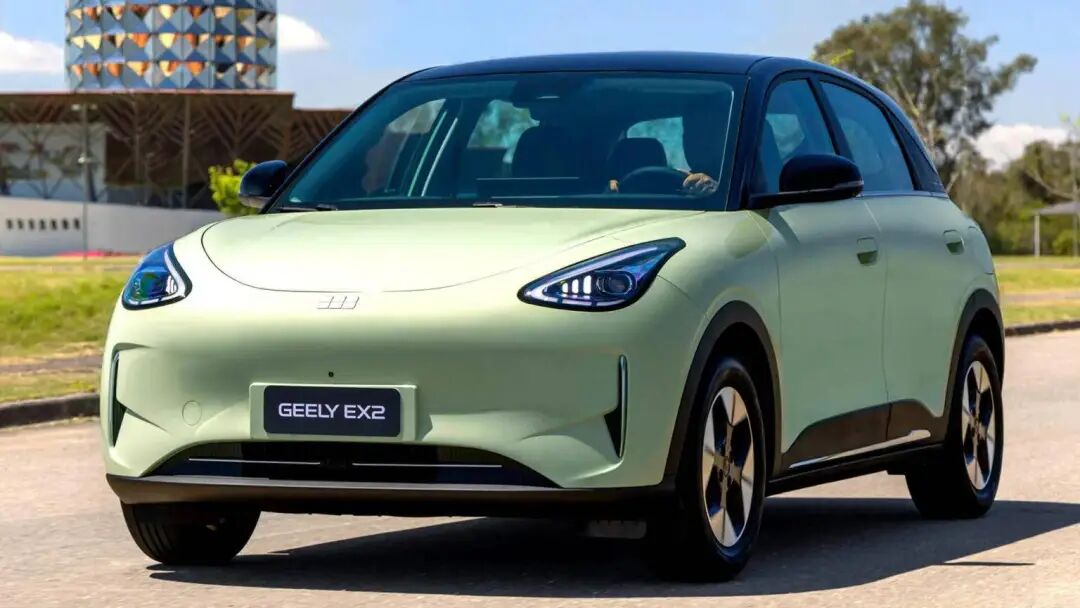
Sixteen years later, Geely is making another move, this time targeting Ford's BODY 3 final assembly line at its plant in Valencia, Spain. Geely will produce the EX2 (overseas version of the Xingyuan) series models in the factory workshop in Almussafes, Spain. It is reported that after the deal is completed, based on Geely's production plan (internal code '135'), the factory will start production in Q1 2027. At full capacity, it will produce 300,000 vehicles annually.
Ford has a hidden agenda, currently discussing with Geely the contract manufacturing of the next-generation Ford Puma compact SUV based on the GEA platform (Global Intelligent New Energy Architecture, shared with the Galaxy A7/E5). However, these details have not been officially confirmed.
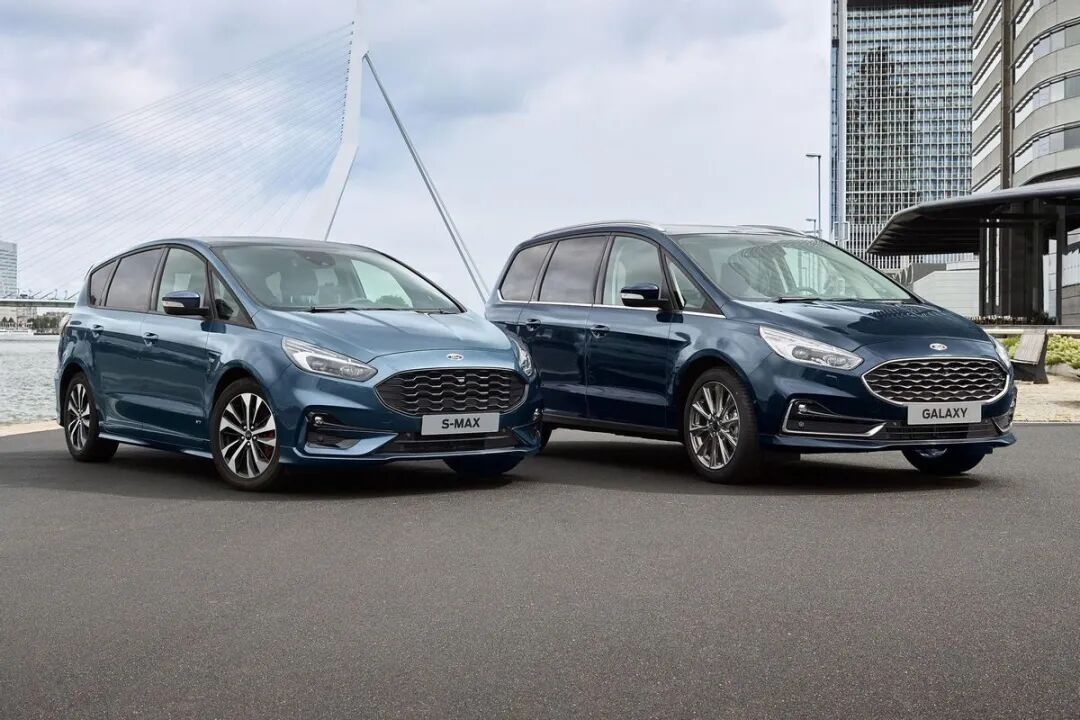
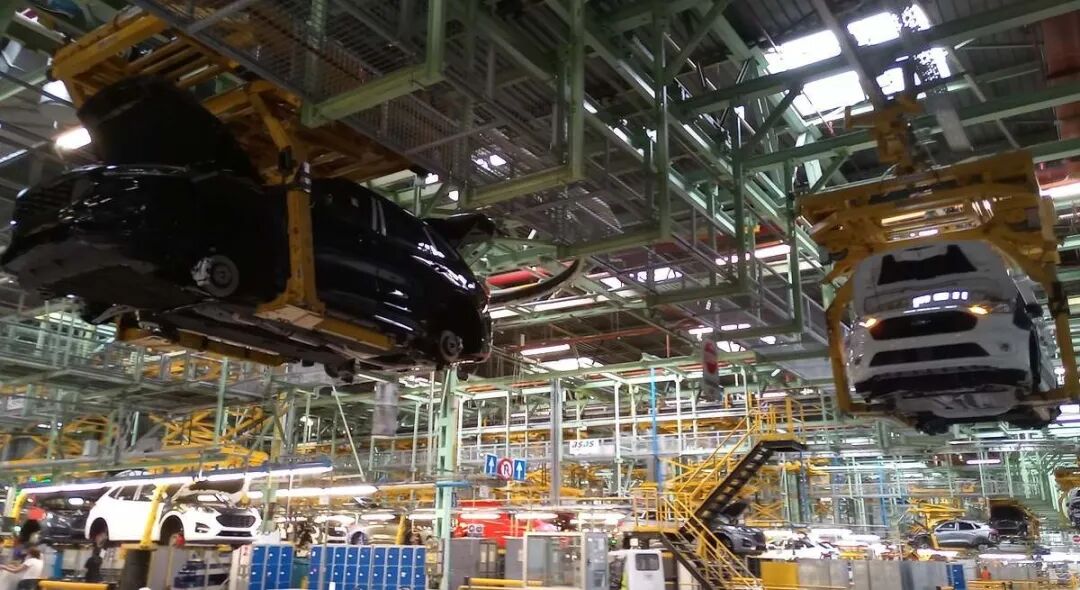
Ford's factory in Spain was built on an orchard acquired by Henry Ford II. Currently, the factory is divided into three parts. Geely will acquire the most advanced Line 3, covering over 80,000 square meters, which has been idle since the discontinuation of the Galaxy and S-Max MPV models in 2023.
Line 1 is semi-idle, awaiting Ford's new model launch in 2027. Line 2 only produces the Kuga, with an annual output of less than 100,000 units. Based on 2025 data, the factory's overall capacity utilization rate is less than 25%. This is why Ford is determined to sell some assets to reduce pressure. Previously, Chinese manufacturers such as BYD and Xiaomi were also on the list of potential buyers.
For Geely, acquiring the factory allows it to avoid the EU's 10% regular tariff + 18.8% anti-subsidy tax, achieving 'Made in Europe.' For Ford, it revitalizes idle capacity, retains 4,142 employees, and reduces factory losses. It's a win-win deal.
The transaction amount has not been disclosed by either party, but industry estimates range from €300 million to €500 million (building a new factory of the same scale would cost €1.5 billion to €2 billion). Another question is whether this acquisition includes only the production line equipment or also the factory buildings and partial land use rights. Details remain unclear.
Currently, the transaction is pending approval from the EU antitrust authorities and the Spanish Ministry of Industry, with unknown timelines and outcomes. Moreover, can Geely quickly match the EU's requirement for 70% local parts (components) content in the supply chain? How will it absorb the 30-40% cost premium? These remain to be validated.
Another critical issue is the UGT FORD union, which cannot be overlooked in this transaction.
As the largest union at the Valencia factory, UGT represents about 70% of the employees, wielding significant influence. However, UGT's attitude and core stance this time are 'welcome + cautious,' as their priority is to secure the 4,142 jobs and avoid layoffs. On May 5, a UGT spokesperson said, 'We will not publicly comment on unannounced deals,' but privately stated, 'It's a good opportunity to secure employment.'
Previously, when Ford reneged on its planned electric vehicle production, UGT's management bypassed the factory's management and directly pressured the Spanish Ministry of Labor, activating the special labor protection mechanism 'Mecanismo RED.' This prevented Ford from directly laying off workers and forced it to provide substantial severance packages.
This electric vehicle production plan was the result of Ford's decision four years ago to establish a base for electrified models in Europe, choosing between its Saarlouis plant in Germany and the Valencia plant. After a protracted battle with unions and strikes, the Valencia plant won in June 2022 due to its more flexible labor agreements and competitive cost advantages.
However, Ford did not follow through on the plan. After Ford Europe's president visited the factory on April 24 with no tangible results, the union warned Ford that if the 2027 new model launch was delayed again, Ford's global supply chain would become a target for strikes.
Another union, STM-Intersindical, expressed concerns about Ford's lack of transparency in the negotiations. They emphasized that over the past four years, Ford has laid off 1,700 employees, while workers' salaries have stagnated. Workers are bearing high costs and long-term uncertainty, often citing the lack of clear information during management visits.
Juan José Picasso, the industrial secretary of the CCOO PV alliance, a minority union at the Almussafes factory, stated, 'The Almussafes factory must focus on research, development, and production of cutting-edge technological components to ensure its long-term viability in the new sustainable transportation model. We hope to produce future-oriented technologies here.'
With unions involved, is Geely's deal a massive pitfall? It's hard to say. After all, Western unions are notoriously difficult to deal with. It is reported that the UGT union used the increased labor costs of the idle factory to pressure Ford into finding Geely as a buyer.
The union's calculation is that after Geely takes over Line 3, it can do Geely's work while enjoying Ford's benefits. Ford's contracts include extremely high seniority-based welfare and retirement security. Regardless, unions are an unavoidable factor.
However, for Geely, acquiring 300,000 units of tax-exempt production capacity in Europe at 1/5 the cost and 1/3 the time not only implements Li Shufu's strategy but also establishes a bridgehead for European manufacturing via Ford, radiating globally, while earning money through contract manufacturing. It's a highly cost-effective win-win deal.
02 Chinese Automakers Battle in Spain
Behind Geely's acquisition of Ford's factory lies the rapid rise of Chinese brands in Spain. In April, Chinese brands sold 15,832 passenger vehicles in Spain, up 93.1% year-on-year, surpassing Japanese brands for the first time to become the second-largest vehicle group after European brands.
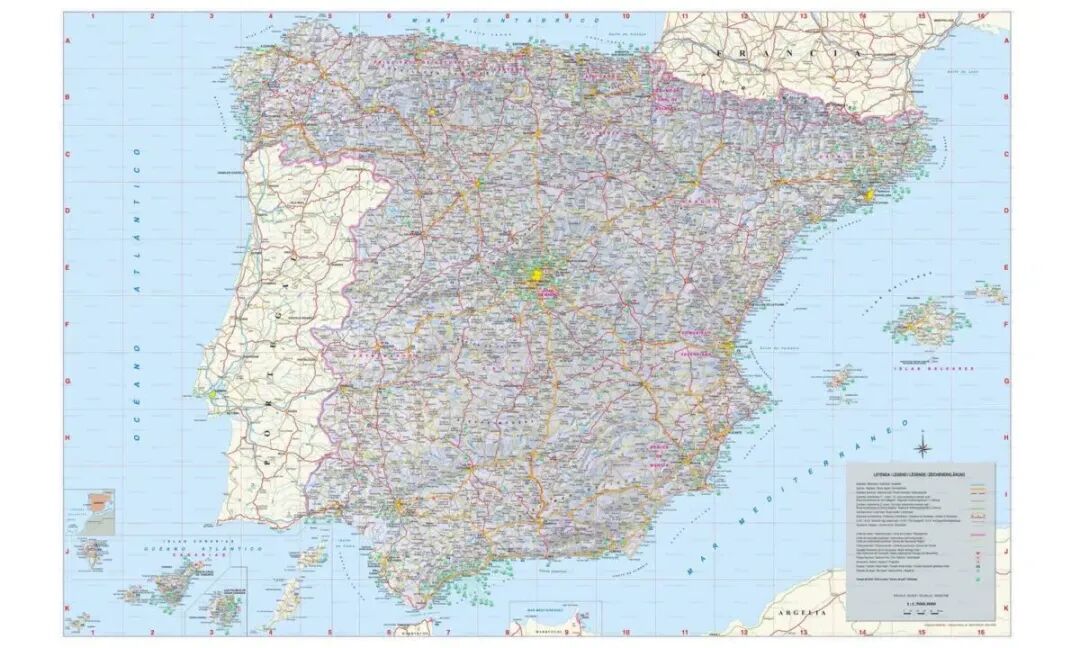
From January to April, Chinese brands sold a cumulative 65,311 vehicles, with a gap of about 7,000 units from Japanese brands. At this pace, Chinese brands' sales will surpass Japanese brands this year.
Geographically, Spain is a core EU market with a mature supply chain, skilled workers, and regulatory alignment. Automakers can use Spain as a base to cover the EU, North Africa, and Middle East markets, reducing logistics and delivery cycles.
Not only Geely but also Chery is deeply invested in Spain. On April 8, Chery established its first overseas regional operations center—the Europe Operations Center—in Barcelona, Spain, and officially launched its Spain Research Institute.
On May 6, La Tribuna de Automoción reported that according to anonymous sources, China's SAIC Motor (600104.SS) is considering setting up a production base in Ferrol, a port city in northwestern Spain's Galicia region, to initiate production in Europe.
Actualidad Motor also stated that Geely is not the only Chinese company interested in the Almussafes factory or establishing a production base in Spain. In recent months, other companies, such as Changan Automobile, have also been exploring options. BYD and other eager companies have also inspected various locations in Catalonia, the Valencia region, Aragon, Asturias, or Galicia.
Beyond the Valencia region, there have been developments in other areas. Some Chinese manufacturers, such as Zhengzhou Nissan Automobile Co., Ltd. and Anhui Coronet Technology Co., Ltd., have partnered with Spain's century-old automaker Santana Motors to assemble SUVs in Jaén.
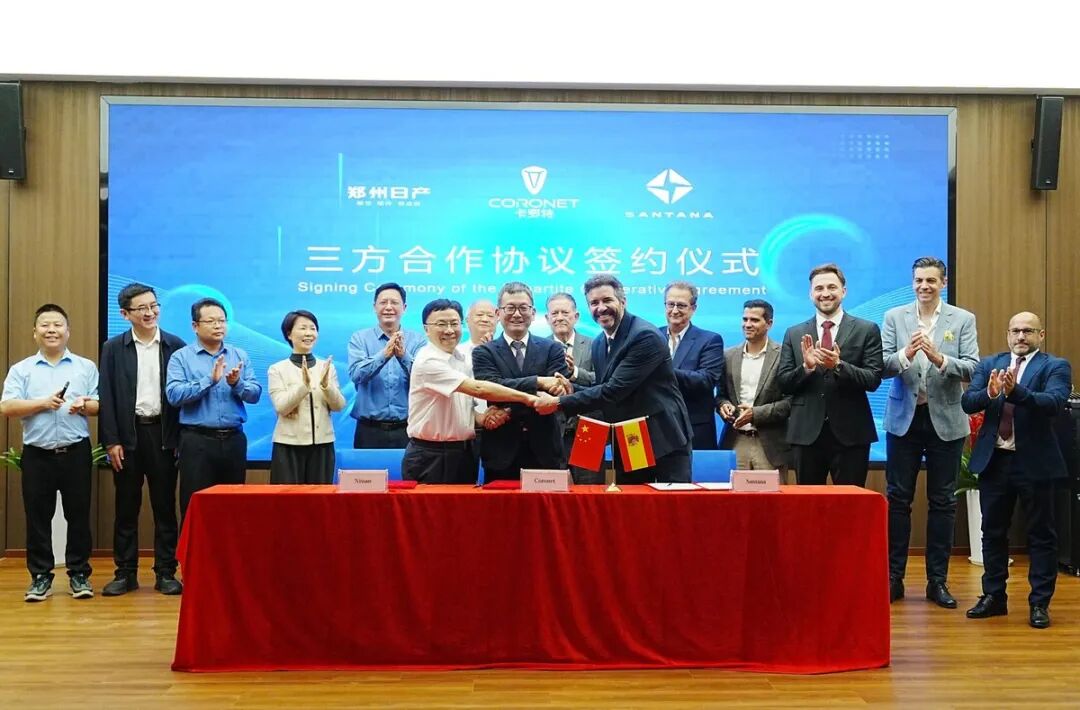
Alliances with European groups like Stellantis are also seen as another option to leverage existing factories in Spain. These European groups' growing interest in alliances stems from their idle assembly capacity in Europe and their desire to consolidate their position in the European market while overcoming trade barriers as much as possible. Against this backdrop, the Almussafes factory stood out among numerous European candidates to secure Geely's investment.
Moreover, on May 8, Stellantis announced an expanded strategic partnership with Leapmotor, further deepening their layout based on initial cooperation results. To significantly boost production at Stellantis' Figueruelas factory in Zaragoza, Spain, both parties are evaluating the addition of a new production line to manufacture Opel's new C-segment all-electric SUV, with production potentially starting in 2028.
Additionally, to revitalize future capacity at the Madrid-Villaverde factory in Spain, both parties plan to expand cooperation by introducing a new Leapmotor model, with production expected to start in the first half of 2028.
The cooperation between Leapmotor International and Stellantis Group integrates their vast industrial scales and resource advantages, leveraging China's new energy vehicle ecosystem to enhance price competitiveness while utilizing European supply chain capabilities to increase resilience and accelerate new model launches. This has created a classic reference case. Starting from Spain, Chinese automakers are beginning to shine in Europe.
03 Overseas Acquisitions: The Next Step for Chinese Automakers
Regarding Geely's deal in Valencia, AUTOMOTIVE WORLD believes it is part of a broader European manufacturing strategy.
They also reported that Li Shufu confirmed in late April that Geely would expand using Volvo Cars' existing factories in Torslanda, Ghent, and Košice rather than building new ones. The logic behind Geely's acquisition of Ford's factory is similar.
'Leveraging global excess capacity' stems from Li Shufu's statement at the 2025 China Automotive Chongqing Forum on June 7 last year: 'The global automotive industry currently faces severe overcapacity. Geely has decided not to build new car factories or engage in redundant construction. Instead, Geely will fully utilize global excess capacity and maximize practical cooperation and resource restructuring.'
By doing so, 'we can leverage mature quality assurance systems and skilled technicians while improving the utilization rate of peers' excess capacity, participating in global market competition with a friendly stance.' Geely is now living up to this promise.
From the perspective of Chinese automakers' global expansion, acquiring existing production capacity is also a general trend.
Regarding acquisitions, Tomoichi Yu, a senior director researcher at Mizuho Bank who specializes in Sino-Japanese automotive industry research, told Nihon Keizai Shimbun that for markets difficult for Chinese automakers to penetrate, such as the United States with annual sales of 15-16 million units, Japan and South Korea in East Asia with over 5 million units each, and India with 5 million units, an acquisition strategy is precisely what is needed.
According to Yu's analysis, Chinese automakers are undergoing a transformation in electrification. Moreover, in the different stages of overseas market expansion, they have already experienced the initial phase of complete vehicle exports and the second phase of localized production. To conquer the combined market of approximately 25 million units in the United States, East Asia, and India, an acquisition strategy is essential.
This can be considered the final stage of Chinese automakers' overseas development.
Great minds think alike, and Chinese companies are doing just that. In recent years, leading Chinese automakers have been actively acquiring idle overseas production capacity. For example, as early as 2020, Great Wall Motors fully acquired General Motors' OEM (Original Equipment Manufacturer) (vehicle assembly plant) and powertrain factory in Rayong, Thailand, and later acquired the former Mercedes-Benz factory in Iracemápolis, Brazil, with production scheduled to start in August 2025.
Additionally, BYD took over Ford's factory in Camaçari, Bahia State, Brazil, in March 2024. Changan Automobile formed a joint venture with Brazil's CAOA Group to renovate an existing factory, with official production starting in March 2026. Furthermore, Chery reached an agreement with Nissan in January this year to acquire Nissan's Rosslyn factory in South Africa, including its land, buildings, and related assets, with the acquisition expected to be completed by mid-year.
Acquisitions also have an advantage over investing in new overseas factories. Based on cases of renovating acquired factories, it usually takes only about a year to complete renovations and start production, whereas building a new factory overseas often requires a 3-5 year construction cycle. For example, Great Wall Motors' four major process factories in Russia took four years to complete and start production.
In addition, by 2025, the overseas sales of Chinese-made and self-owned brand vehicles will have surpassed 9 million units, encompassing direct exports of self-owned brand complete vehicles, exports from international automakers' Chinese bases, overseas assembly volumes of KD (Knock Down) parts, and production and sales volumes from overseas bases of Chinese self-owned brands. This marks a crucial transformation in China's automotive overseas production and sales system from 'product export' to 'industry export'.
This stands in stark contrast to the contraction strategies adopted by foreign automakers in overseas markets.
As the global automotive industry undergoes capacity restructuring, several traditional overseas automakers continue to scale back inefficient production capacities for fuel vehicles and divest non-core manufacturing assets. Meanwhile, Chinese automakers, leveraging their mature new energy technologies and industrial chain advantages, persist in acquiring idle high-quality global production capacities and accelerating their overseas expansion.
As reported by foreign media CAREXPERT, Ford is not the only traditional automaker considering selling all or part of its factories to Chinese manufacturers. Earlier this week, Nissan confirmed that it would close one of the two production lines at its Sunderland plant in the UK. There are also rumors that the company is seeking to sell this closed production line to its Chinese joint venture partner, Dongfeng Motor.
Amid the global capacity reshuffling, on one hand, foreign automakers such as Ford, Volkswagen, Stellantis, and Nissan are concentrating their funds and resources on electrification R&D and core local production capacities, shutting down or transferring non-core factories in some overseas markets. On the other hand, Chinese automakers are accelerating their localization strategies overseas.
Moreover, the industry believes that amid barriers such as the EU's imposition of anti-subsidy tariffs on Chinese-made electric vehicles and high import tariffs on complete vehicles in emerging markets, acquiring and transforming mature overseas production lines has become one of the optimal paths for automakers to go overseas. Currently, Chinese automakers are steadily advancing along the development trajectory of the global automotive industry, with a coordinated growth pattern of complete vehicles, parts, and overseas bases, moving towards the goal of 20 million overseas sales.
Editor in charge: Cao Jiadong Editor: He Zengrong
THE END
-
![]()
Can Doubao's Paid Subscription Model Succeed?
-
![]()
Understanding China Through DeepSeek's Triple Leap in Valuation
-
![]()
Samsung Home Appliances Exit China: A Strategic Withdrawal Rather Than a Forced Retreat
-
![]()
The Inseparable Dilemma of Gasoline and Electric Vehicles: A Challenge for New Car Sales
-
![]()
Unity Stabilizes Amid AI Disruption Concerns
-
![]()
Shop Till You Drop: Chinese Automakers Step Up Overseas Acquisitions
-
![]()
Electric Vehicles: The Battle of Configurations Extends to Every Detail, Including Glass
-
![]()
Replacing a Rearview Mirror Costs 6,000 Yuan: Why Are New Energy Vehicles Cheap to Buy but Pricey to Fix?