A 1.388 Million Yuan Answer Sheet: Insights into Huawei's Ultra-Luxury Car Strategy and Potential Concerns from the Debut of Zunjie S800 Grand Design and V800
 06/29 2026
 544
544
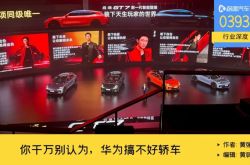
Huawei, or more precisely Huawei's Harmony Intelligent Mobility Alliance, recently held an event titled the "Harmony Intelligent Mobility Alliance Zunjie Brand Grand Ceremony." The event primarily conveyed an ultra-luxury theme with two key product lines:
Launching a higher-priced, more exquisitely crafted "haute couture" version of the S800—the Zunjie S800 Grand Design, priced at 1.388 million yuan;
Officially announcing and opening pre-orders for the flagship MPVs Zunjie V800 (pre-sale price: 800,000 to 1.2 million yuan) and V680 (pre-sale price: 650,000 to 900,000 yuan), extending the "ultra-premium" strategy from sedans to the MPV segment—a market traditionally dominated by luxury fuel-powered brands like Bentley MPVs and Toyota Century.
This move has sparked a wave of Chinese automakers entering the ultra-luxury era. 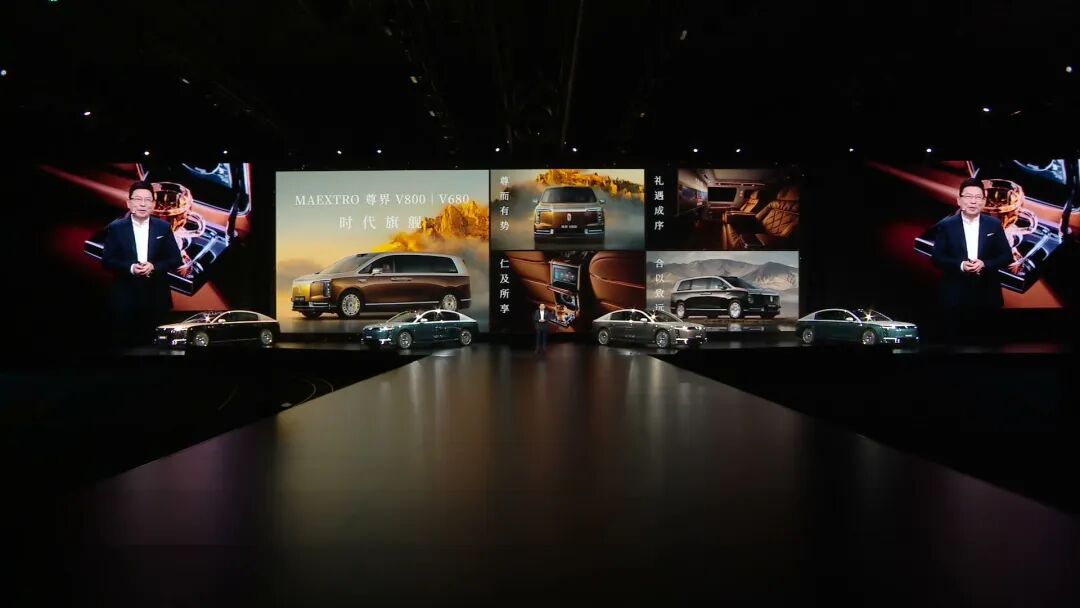
According to Huawei's Harmony Intelligent Mobility Alliance, within an hour of the flagship MPV Zunjie's launch, orders for the two models surpassed 3,200 units, with the V800 accounting for 84%—remarkable for million-yuan luxury vehicles, translating to 3.2 billion yuan in sales orders for Huawei in a single day.
So, how does Huawei, led by Zunjie, transform mainstream product technologies into ultra-luxury offerings? What methodology lies behind this? What are the potential concerns with Huawei's ultra-luxury model? Finally, there's a small survey at the end: Do you think Zunjie will succeed?
What Was Unveiled at the Launch: Product and Technology Highlights
Through the launch event, the philosophy and technologies behind these products suggest that the most intuitive expressions of Chinese ultra-luxury lie in design and craftsmanship, followed by onboard experiences of privacy and comfort, supported by technology, and culminating in safety.
The Most Intuitive Expression of "Chinese-Style Luxury" - Design and Craftsmanship. The Grand Design offers two design themes:
"Distant Mountain Indigo" draws from the indigo hues of Chinese landscape paintings, featuring central symmetry, golden waistlines, and double-gold-ring forged wheels;
"Rising Sun Gold" takes inspiration from the color palettes of Dunhuang murals. 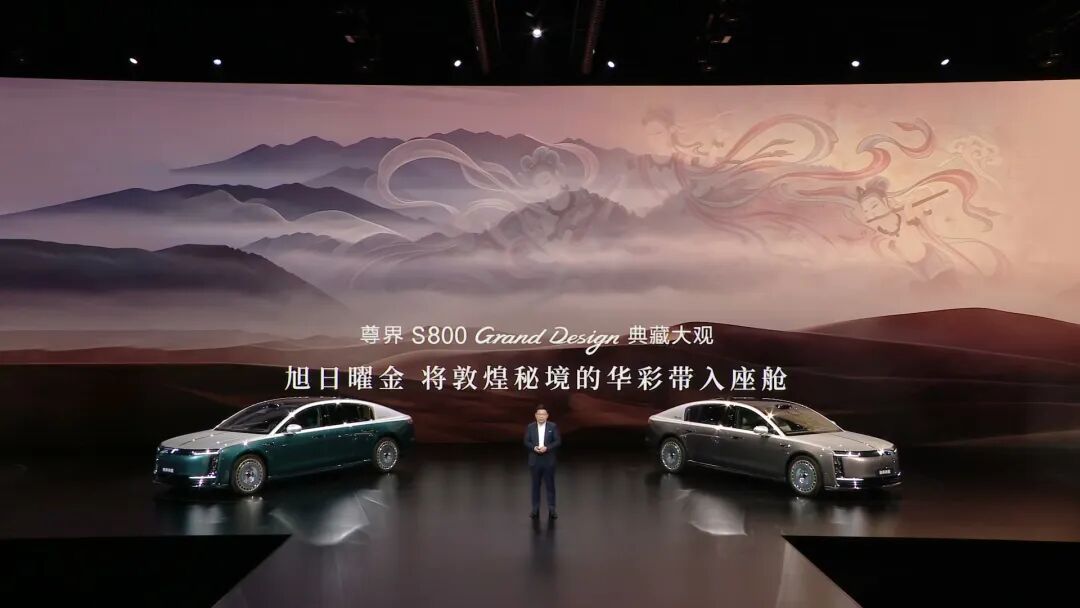
In summary, these designs incorporate elements from Chinese traditions and local culture, co-designed by aesthetics teams from China, France, and Italy.
With design established, the craftsmanship brings these concepts to life through meticulous details.
At the launch, specific craftsmanship figures were provided: a 4.5-meter-long golden waistline hand-polished to a precision of ±0.1 millimeters; over 1,300 solid wood panels and 138 brass inlays throughout the vehicle, using PUR lamination to prevent seam cracking due to differing thermal expansion coefficients between wood and brass; a starry sky roof with 510,000 hand-embroidered stitches, the industry's first mass-produced embroidered starry sky roof; and 270,000 stitches on the seat shoulder embroidery. 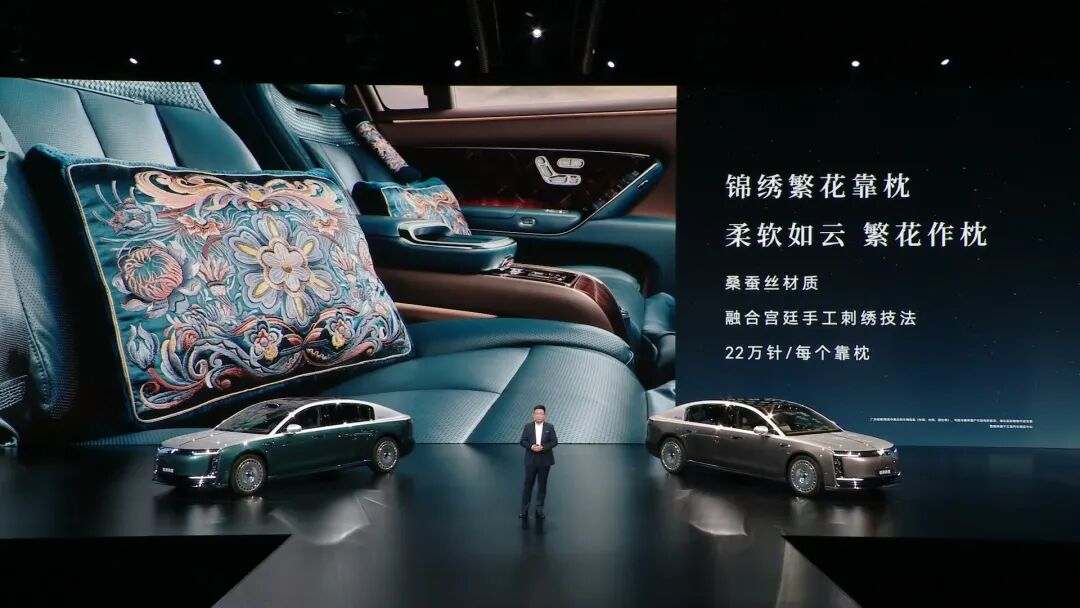
These figures serve to quantify and substantiate the luxury symbolism of "Chinese luxury," demonstrating that "Chinese luxury" has achieved quantifiable, production-ready, and automotive-grade precision in materials and craftsmanship.
The "Chinese-Style Luxury" Experience - Privacy and Comfort.
A foldable side-wing screen can be electrically extended to create a privacy partition between the front and rear cabins; a dual-function stream media rearview mirror reuses exterior cameras from intelligent driving, allowing users to retain both electronic exterior mirrors (with high clarity in rain and fog) and traditional mirrors without having to choose one over the other; zero-gravity seats with a maximum recline angle of 148.5 degrees, featuring massage, ventilation, heating, and anti-pinch design; Huawei's extraordinary 43-speaker sound system, with individual sound field calibration for each seat based on partition status. 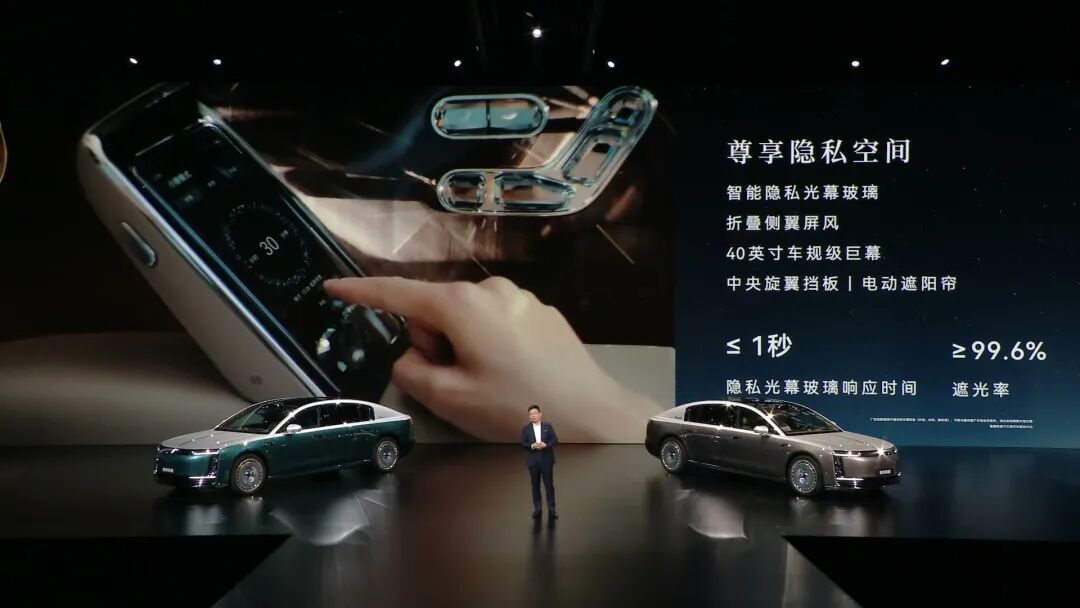
At the technological level, the focus is on a redundant architecture for L3+ intelligent driving.
Huawei has deeply etched its "far ahead" intelligent driving assistance into Harmony Intelligent Mobility Alliance. This was the most information-dense part of the launch:
The vehicle is equipped with six LiDAR sensors, setting a new record for mass-produced passenger vehicles, including a roof-mounted 896-line dual-optical-path image-grade LiDAR with cleaning equipment; additionally, there is an interior LiDAR fused with a camera (to avoid point cloud expansion and improve recognition accuracy), along with four solid-state blind spot filling (blind-spot filling) LiDAR sensors at the front, rear, left, and right for detecting low-lying obstacles. 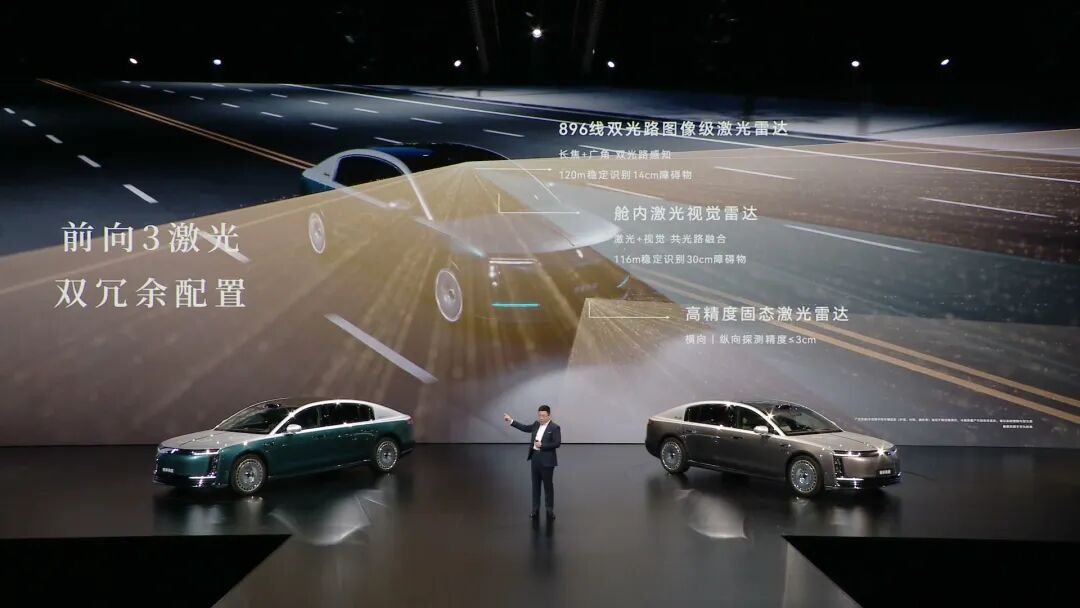
Eleven cameras and twelve ultrasonic sensors are industry-standard, but Zunjie's side-view cameras are now positioned similarly to Tesla's, claiming improved visibility. 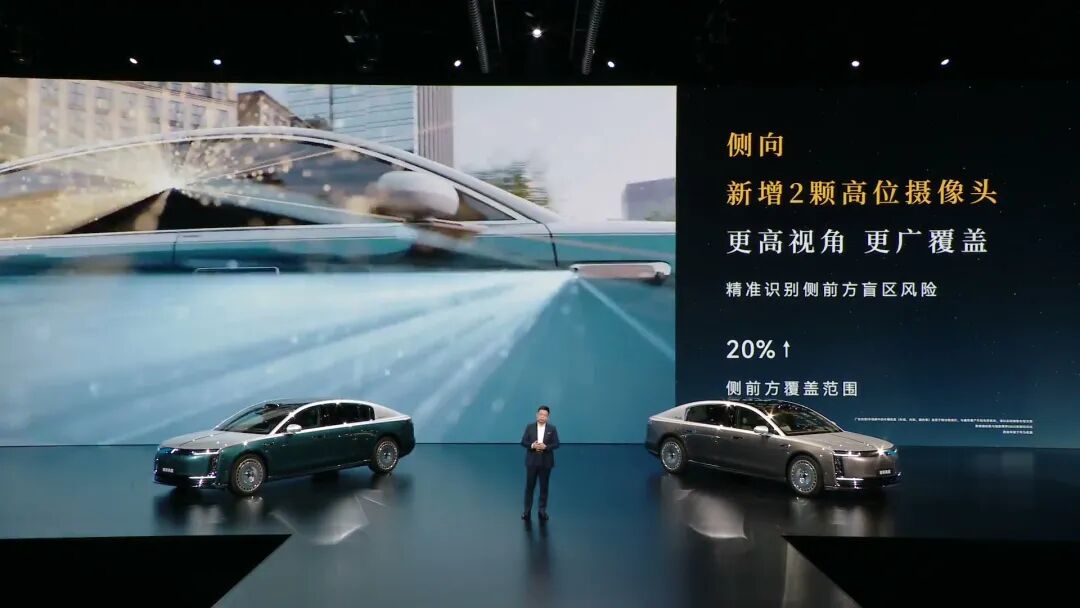
However, Huawei has also equipped the vehicle with four exterior microphones, which not only supplement the perception capabilities of the driving assistance system but also align the vehicle more closely with the era of embodied robotics. 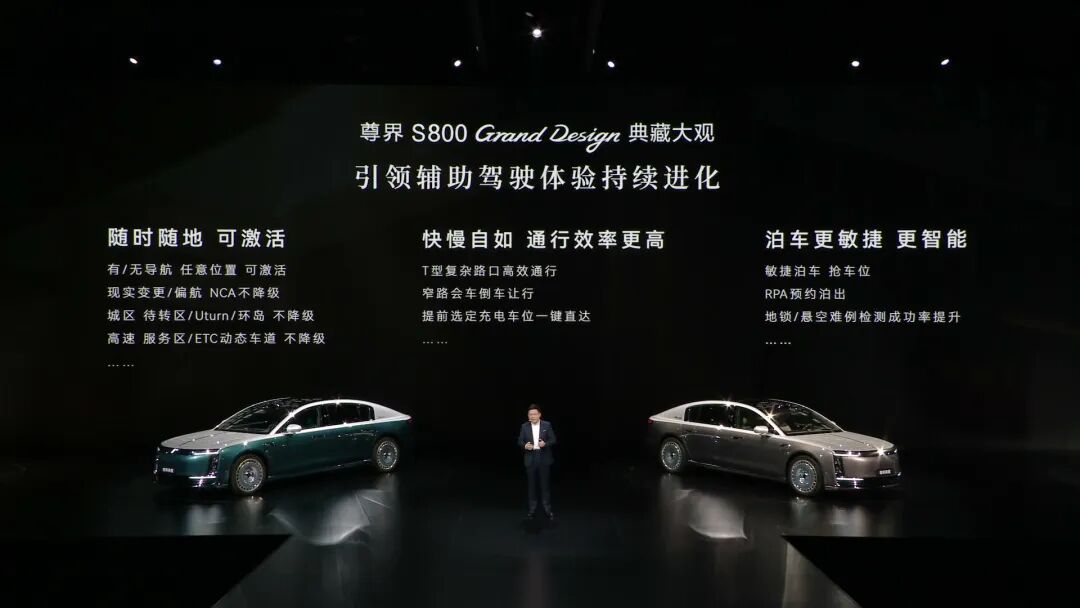
For software services, Huawei stated that the vehicles will come with ADS 5.0 at launch, with future upgrades to ADS 6.0. The hardware sensors are considered top-tier domestically. 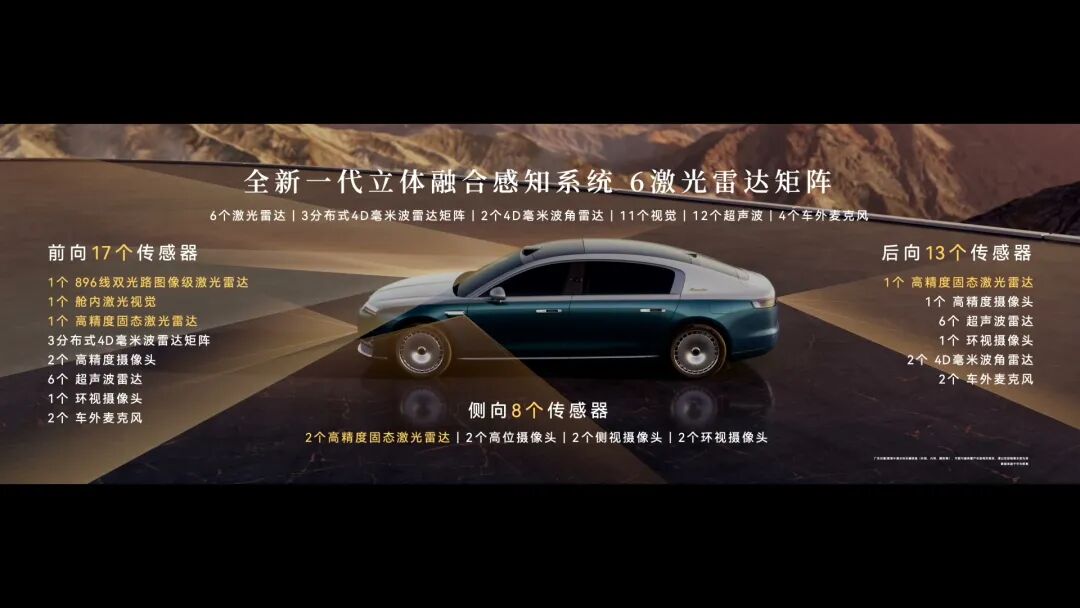
The computing architecture features full-link redundancy with dual primary sensors, dual connectors, dual SoCs, and dual power supplies, covering redundancy designs for eight major systems: perception, computing, braking, steering, power supply, communication, positioning, and delivery—this is now a common approach for high-end mass-produced passenger vehicles in China, with many pre-installing L3/L4 autonomous driving hardware. 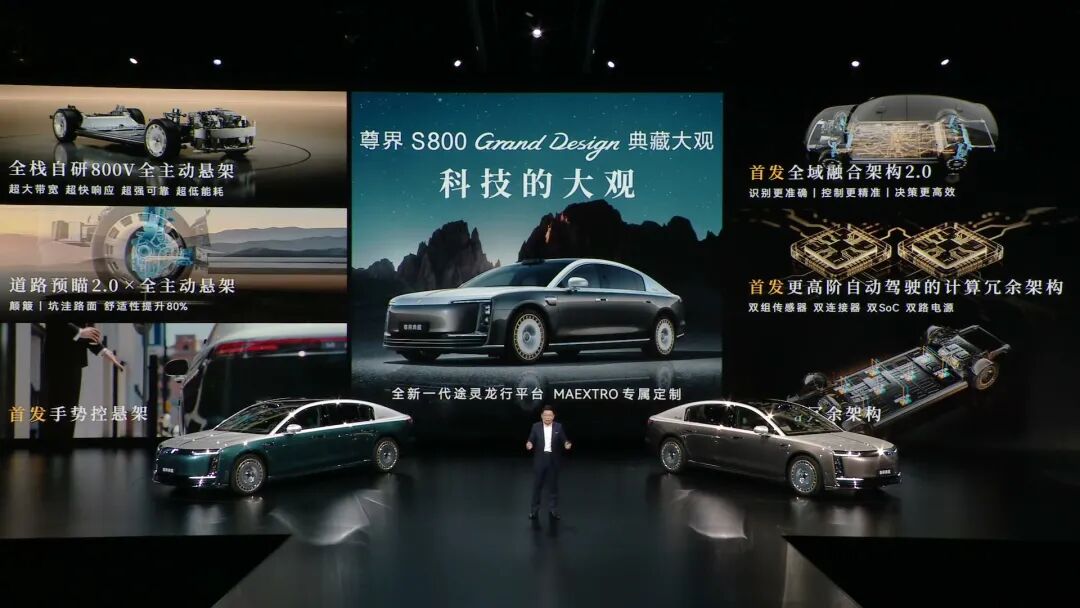
At the chassis level, the debut of the "Omni-Domain Fusion Architecture 2.0" combines fully active suspension with road preview, enabling wheel lift over potholes and shallow pit exploration, paired with ultra-wide-bandwidth active suspension response. In slalom tests, body roll was reduced by nearly 90%; the 800V silicon carbide high-voltage platform features dual motors with a maximum output of 390kW, while the extended-range version boasts triple motors with 635kW. 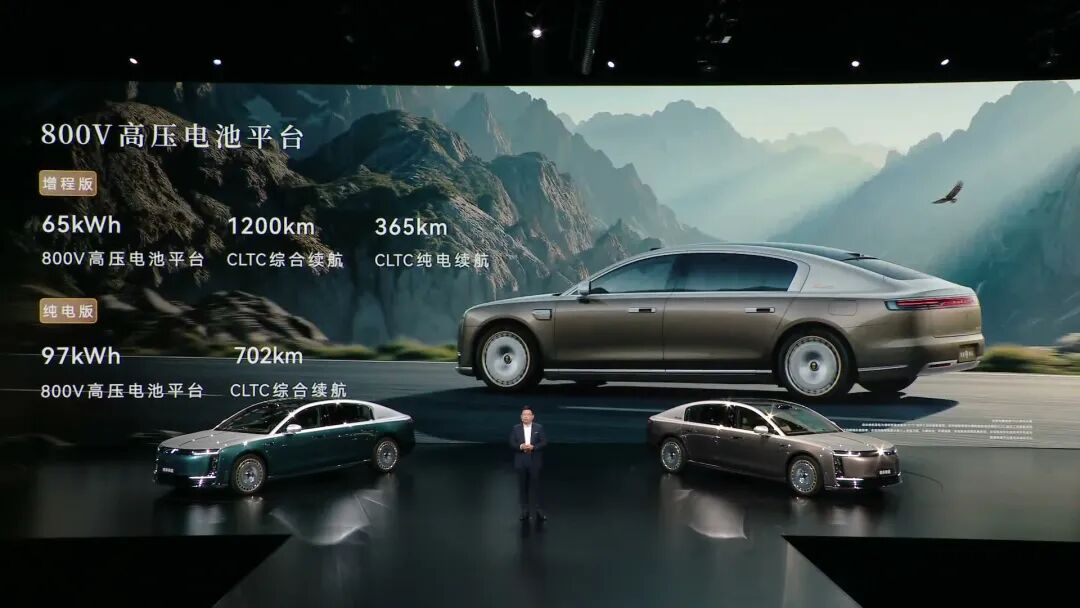
At the safety level, Harmony Intelligent Mobility Alliance's mantra is "Safety is the ultimate luxury."
In terms of passive safety, the Xuanwu body structure utilizes extensive ultra-high-strength hot-formed steel and aluminum alloy, achieving a torsional rigidity exceeding 53,000 Nm/degree; 13 airbags cover the seats and rear cushions.
For active safety, eAES active safety has been upgraded from 2.0 to 3.0, adding lateral active suspension lift.
New features include side and rear collision warnings; driver incapacitation response has evolved from 1.0's pull-over-and-stop to 2.0's autonomous exit from highways and safe parking—once again, this is pushing toward L3 autonomy. 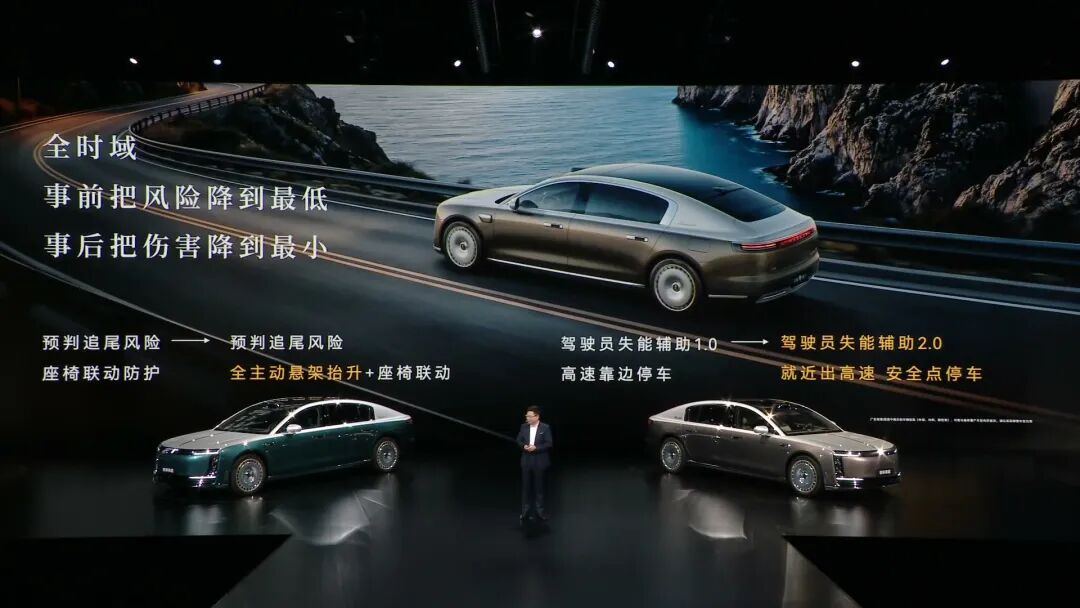
At the battery level, Harmony Intelligent Mobility Alliance emphasizes its track record of over 1.4 million vehicles with zero battery fires, debuting a gradient uniform-temperature liquid cooling system and polyurea coating protection; for communication security, it introduces vehicle-cloud bidirectional authentication, remote command signing patents, and a "one-vehicle-one-authorization" core component binding mechanism. 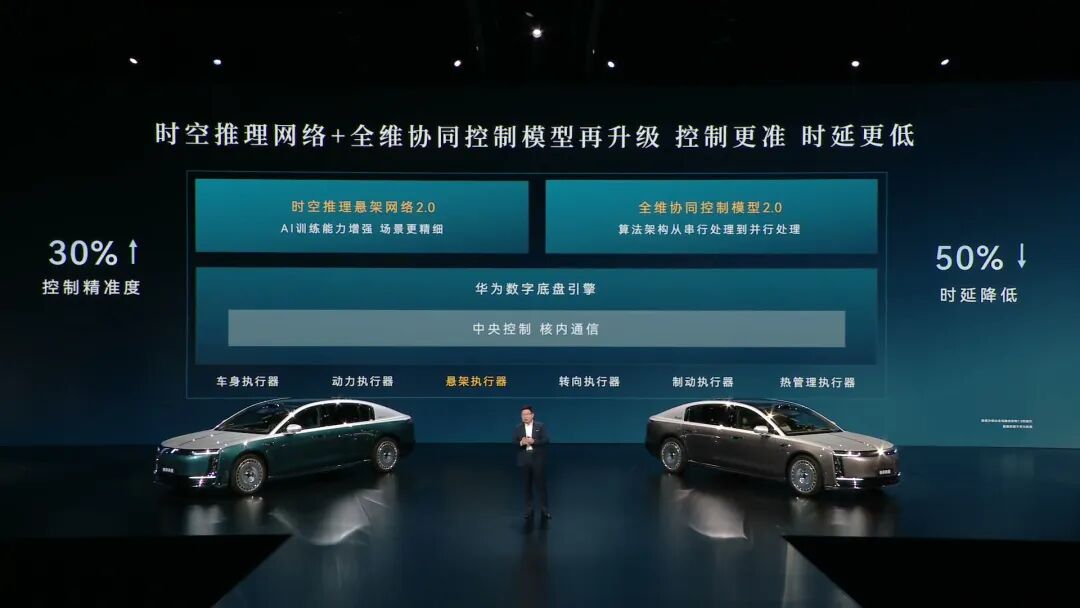
In the product teaser section, the V800/V680, positioned as "ultra-premium MPVs," emphasize seven-seat comfort for all occupants alongside ample luggage space, featuring the industry's first full 360-degree privacy partition (front and rear cabins, side and rear windows). This can be seen as a "super soft furnishings" concept for the automotive realm. 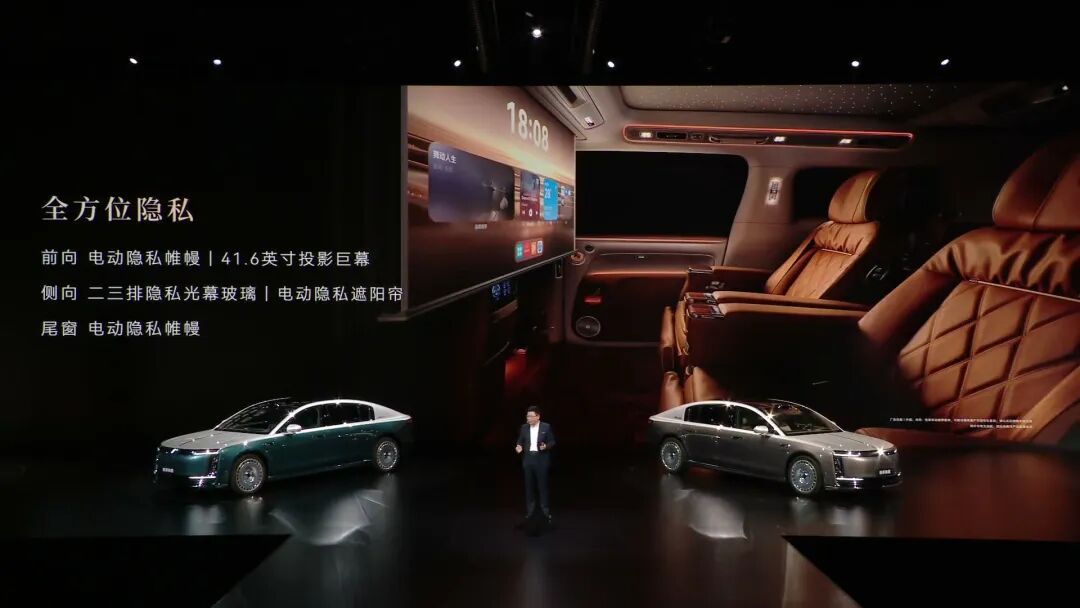
Most interestingly, Huawei introduced the industry's first automotive-grade beverage bar (capable of dispensing hot water, tea, and coffee, with quadruple safety protections against burns, leaks, and accidental operation by children), pushing the concept of the car as a "third space" to new heights. 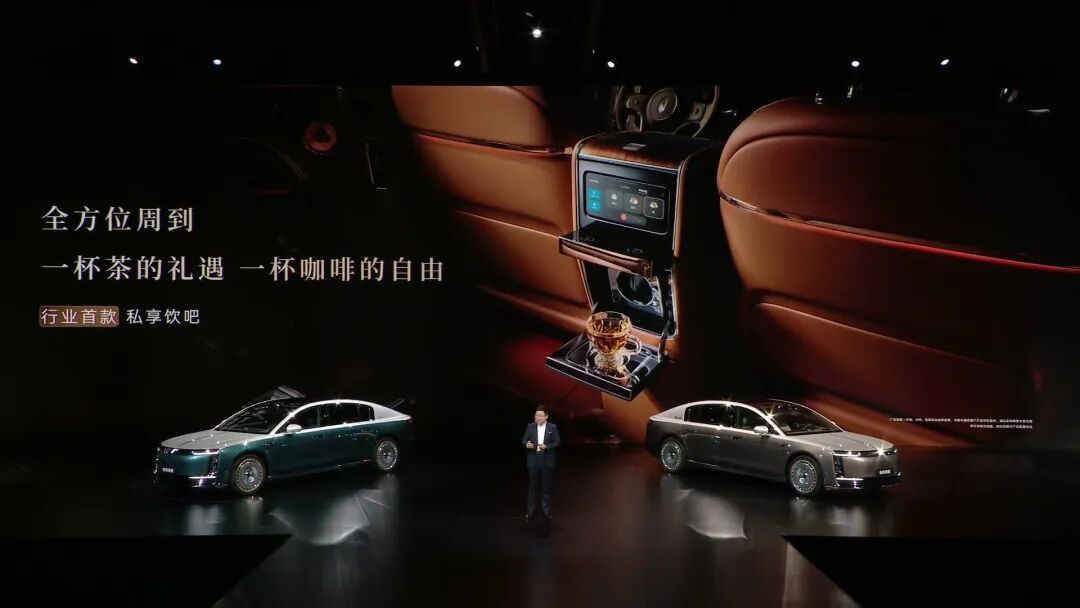
The Zunjie MPV features a scroll-style starry sky roof, and Huawei claims to be the first to bring fully active suspension and L3+ intelligent driving architecture to MPV models.
How Zunjie "Creates" Chinese Luxury Vehicles: Deconstructing the Methodology
If we abstract Huawei's launch information one level, we can see Zunjie's methodology for creating "Chinese luxury," which roughly involves four overlapping approaches, beyond merely competing on specifications and materials.
First, it systematically employs Eastern aesthetic symbolism to replace the simple replication of Western luxury symbols. Themes like "Distant Mountain Indigo," "Rising Sun Gold," custom auspicious totems of dragons, horses, tigers, and oxen, and color palettes inspired by Dunhuang murals—these design languages attempt to establish a unique, recognizable aesthetic system rather than merely transplanting visual elements like wood grain and chrome from European luxury vehicles. 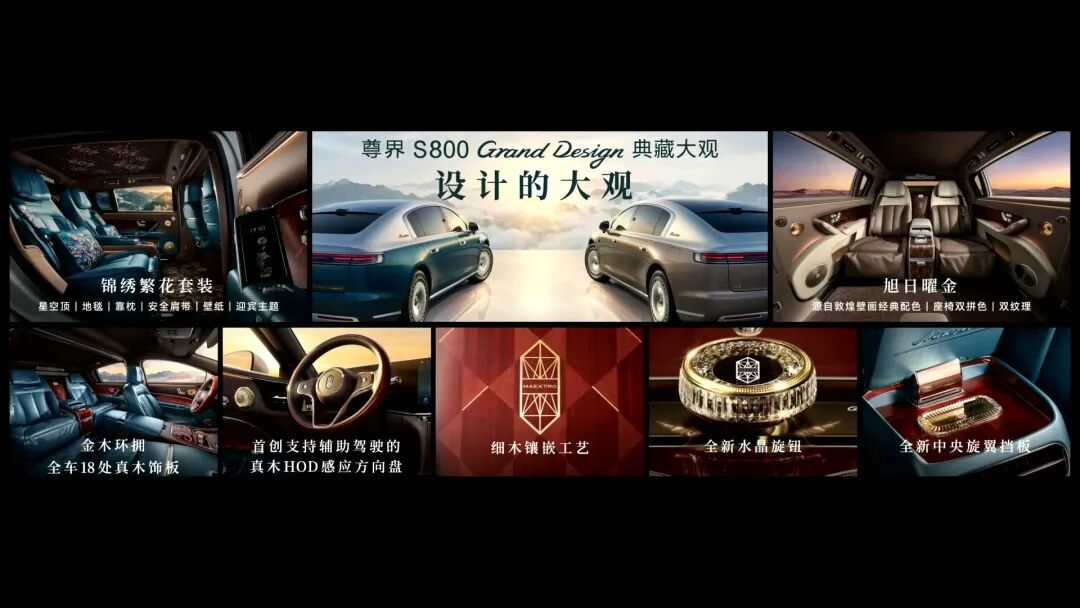
This is something Chinese automakers have aspired to do for the past decade but rarely accomplished effectively, as they were previously preoccupied with developing functionality and technology. Now, with the rise of new energy vehicles, there is an opportunity to explore what Chinese people consider successful and prestigious.
Second, it redefines "safety" and "redundancy" as core indicators of luxury, rather than merely performance or materials. Traditional luxury vehicles emphasize mechanical quality (mechanical excellence), brand heritage, and craftsmanship; Huawei Zunjie repeatedly highlights engineering data such as six-LiDAR redundant perception, dual-SoC dual-power full-link redundancy, and 1.41 million vehicles with zero battery fires as the central axis of its luxury narrative. 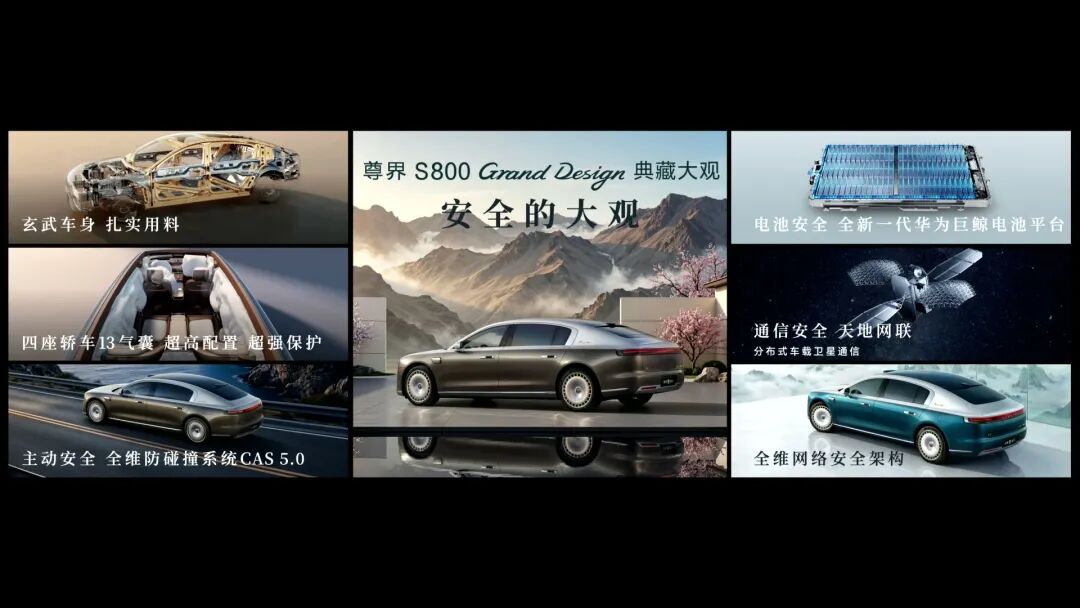
The underlying logic is that in the new era of intelligent electric vehicles, "safety redundancy" serves as a safeguard against the uncertainties of unfamiliar technologies—achieving such redundancy implies higher hardware costs and more complex technological system integration capabilities, which are precisely the moats that traditional luxury brands cannot replicate in the short term and align with Huawei's core strengths.
Third, it transforms luxury's "privacy" and "health" aspects into specific, quantifiable product features rather than vague atmospheric descriptions. 360-degree partitions, electrically tinted glass, MOFOS 2.0 adsorption materials, PVB acoustic glass, and 21 square meters of sound-absorbing materials—each item comes with specific coverage areas, material generations, and performance parameters. 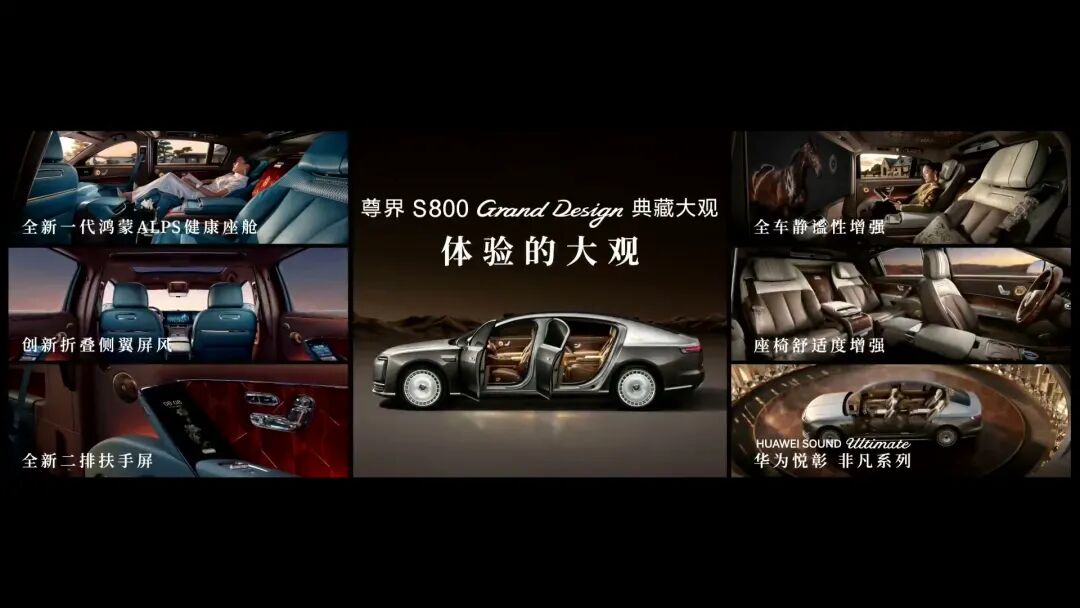
This approach of "translating sensory luxury into engineering metrics" essentially uses the "parameter-driven narrative" that intelligent electric vehicles excel at to compete for luxury discourse traditionally dominated by brand heritage and tactile experience.
Fourthly, personalized demands are met through large-scale customization, with Huawei leveraging its supply chain and software capabilities to amortize customization costs. Two basic interior color schemes, four auspicious totems, and an optional "Splendid Prosperity" theme package (+RMB 200,000)—creating multiple combinations. This "modular high-end customization" approach actually draws inspiration from traditional luxury brands. The once price-hike Maybach and Porsche could double their prices through various optional configurations.
However, China's supply chain can replicate the traditional luxury logic of handcrafted high-end customization on an industrial scale, defined by software, achieving mass replication. What used to take months for traditional luxury vehicles can now be done in days domestically.
Strengths and Weaknesses: MAEXTRO's Real Moat and Its True Vulnerability
It cannot be denied that among domestic efforts to create high-end luxury cars priced above RMB 800,000, Huawei's MAEXTRO has validated its product strength. The S800 standard version has been the best-selling luxury sedan in the million-yuan category for nine consecutive months, with sales significantly surpassing those of the Maybach S-Class, Porsche Panamera, and BMW 7 Series under the same comparison criteria.
Huawei's MAEXTRO seems to have hit the sweet spot of timing, location, and people—riding the wave of China's booming new energy smart car supply chain.
However, a closer look at the monthly sales of the MAEXTRO S800 reveals that this Chinese brand's super-luxury car, like previous Chinese brands that attempted to break into the ultra-luxury segment, may face unstable sales.
Currently, JAC's monthly sales of the S800 hover around 1,000 units, well below the initially planned monthly production capacity of 3,000 units. Is this a capacity issue, or was it due to initial order surges or novelty purchases? To be honest, Jack is skeptical of any Chinese automaker using "production capacity" as an excuse. 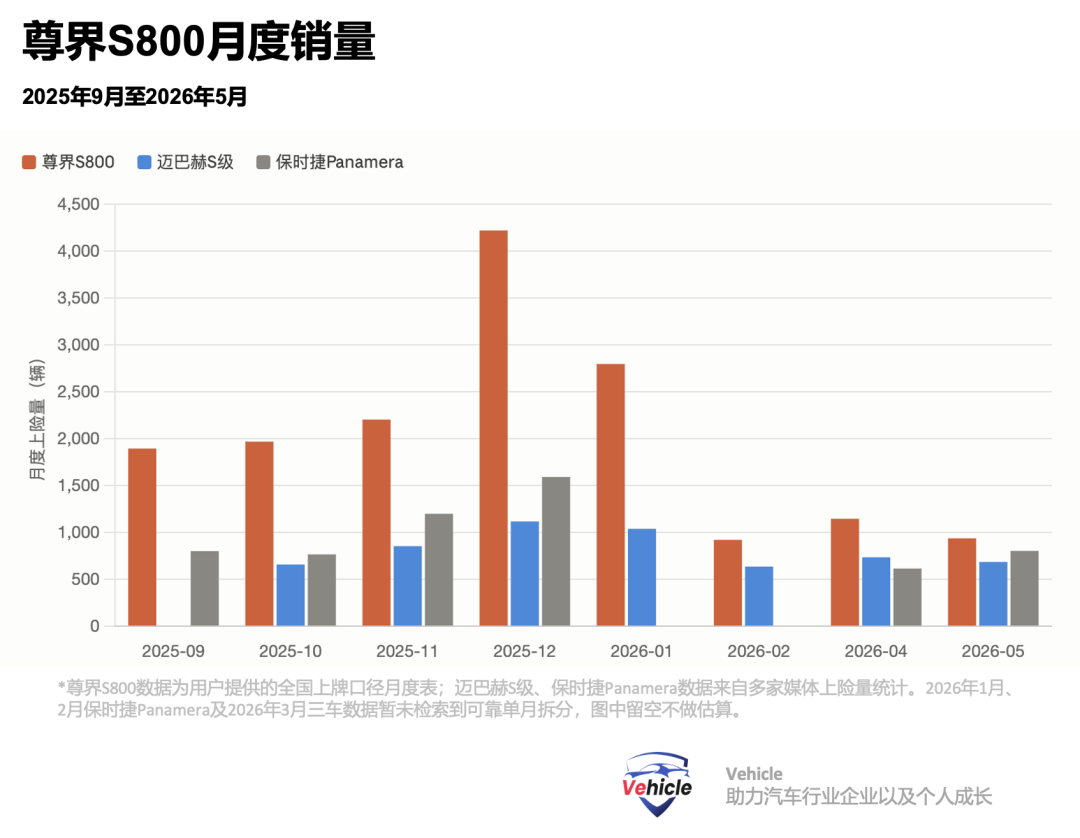
Secondly, extending a consumer electronics brand's equity upward to the ultra-luxury car segment priced in the millions is inherently a high-leverage brand-crossing maneuver.
The trust Huawei has built over the past decade in the mass-market and high-end smartphone and tablet sectors centers on "technological reliability, a sense of national belonging with a ceiling on cost-effectiveness, and a premium feel." MAEXTRO requires this brand equity to leap to the next level, competing with the luxury logic of Maybach and Bentley, which are defined by centuries of history and scarcity. The sources of these two types of trust are fundamentally different. If MAEXTRO shows significant flaws in any area (whether production capacity, quality, or service), the backlash will not be limited to the MAEXTRO product line alone. It could also dilute Huawei's hard-earned premium image in core consumer electronics and component businesses, such as smartphones and intelligent driving. This hidden cost is far greater than the failure to sell a single car.
However, this possibility is not very high, but the risk is not non-existent.
Final Thoughts: What Lies Ahead for Huawei's Ultra-Luxury Car Model?
Placing this launch event within the broader context of China's current automotive industry, three topics regarding Huawei's ultra-luxury car model warrant discussion.
Firstly, there is no doubt that the replacement of traditional fuel-powered luxury brands by intelligent electric luxury vehicles is shifting from "peripheral infiltration" to "head-on collision." Monthly sales of flagship models like the Maybach S-Class and Bentley Bentayga have been surpassed by new brands such as China's MAEXTRO and NIO. This indicates that the weight of purchasing decisions in the million-yuan luxury market is shifting from "brand heritage + mechanical excellence" to "intelligent experience + safety redundancy + localized services"—a signal that all automakers (both Chinese and foreign) still relying on traditional fuel-powered luxury logic for product planning must take seriously.
Secondly, the model of "multi-brand sharing a common technological foundation while each brand binds with different contract manufacturers," on which HIMA relies, has taken initial shape and proven effective at this year's Beijing Auto Show. Huawei's next move will be to further differentiate these brands.
Internally at JAC, there have been reports of resource integration actions "all for MAEXTRO," with plans to launch an extended-range version of the S800 and an SUV model, the S800H. MAEXTRO is likely to rapidly expand along three product lines—"sedan + SUV + MPV"—from 2026 to 2027, replicating the strategy of the AITO M series in the mainstream market but targeting a clientele in the million-yuan range.
Finally, manufacturing-side capacity and organizational capabilities will be the true bottlenecks determining how far this strategy can go, rather than technology or design. Huawei's model of "leading technology + partner-built vehicles" has been quite successful so far.
However, this model resembles the concept of vassal and feudal states in Chinese history—superficially harmonious but with underlying calculations. From Huawei's perspective, the deeper hidden danger (hidden risk) lies not in whether a particular contract manufacturer "performs well" but in the fact that the "Five Realms" matrix is binding five automakers with vastly different natures and aspirations—JAC, Seres, Chery, BAIC, and SAIC—to the same technological system. This structure inherently carries centrifugal forces.
Once contract manufacturers leverage Huawei's technology and traffic to build up their brand momentum, manufacturing experience, and supply chain bargaining power, they gain leverage to negotiate terms. After JAC turns around its financial situation with MAEXTRO, will it want to replicate this experience across its other product lines? Chery and SAIC, which already have extensive proprietary brand systems, may demand greater say, lower technology licensing fees, or even quietly maintain a "backup" technology route as their cooperation with Huawei becomes more successful.
A more immediate risk is that the five contract manufacturers are also covertly comparing resource allocation among themselves—whoever sells more cars gains more leverage to demand greater investment from Huawei. This puts Huawei in a dilemma of "relying on multiple brands to amortize R&D costs while preventing any single one from growing too powerful and going solo." If Huawei's marginal investment in a particular product line declines at any stage, it would not be unprecedented for the neglected contract manufacturer to seek new technology partners (or even develop in-house alternatives). This paradox of "greater success leading to stronger centrifugal forces" is the true structural hidden danger of this alliance model.
References and Images
Huawei HIMA MAEXTRO Brand Grand Ceremony Launch Event, June 2026.
*Unauthorized reproduction or excerpting is strictly prohibited-*
-
![]()
Depreciation Rate on Par with Mobile Phones: Just 40% Value Retention After Three Years—Why Do Battery Electric Vehicles Lose Their Worth?
-
![]()
Clearing Bugatti Stock Worth 7 Billion: Why is Porsche 'Cutting Ties'?
-
![]()
Don’t Dismiss Huawei’s Potential in Sedans Just Because the Shangjie Hasn’t Hit It Big Yet
-
![]()
Unsold Cars in China Find Success Overseas
-
![]()
Ghosn: Only I Can Save Nissan, Shareholders Beg Me to Return
-
![]()
Expanding Automobile Consumption: It's Time to Address the High Cost of Electric Vehicle Repairs
-
![]()
Luna Ultra Entangled in 'National Subsidy Fraud' Controversy, Insta360 Pushed to the Brink by DJI
-
![]()
People have long suffered from splash ads. Will the 'temporarily disappeared' traffic behemoth make a comeback?