Don’t Dismiss Huawei’s Potential in Sedans Just Because the Shangjie Hasn’t Hit It Big Yet
 06/29 2026
 533
533
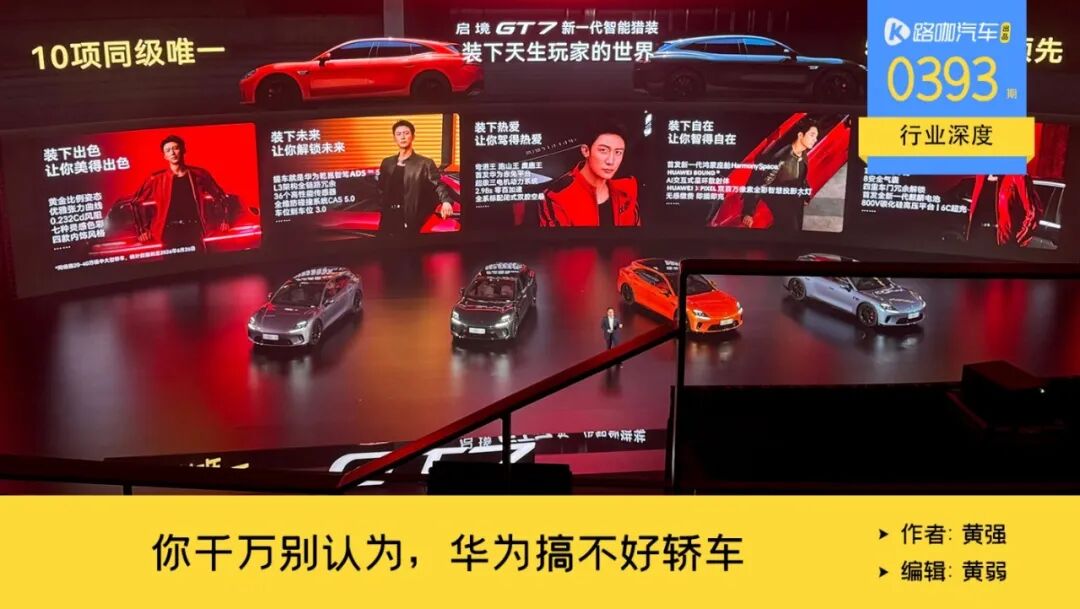
The Shangjie sedan hasn’t been a commercial success yet, but that doesn’t mean Huawei-backed sedans can’t compete in the market.
As Huawei-backed tech-driven models continue to roll out, many assumptions from six months ago are becoming outdated. For instance, the best-selling model from Aito is no longer the M8 or M9, but the more affordable M6. In terms of Huawei’s technological integration, the five brands under the Harmony Intelligent Mobility Alliance no longer consistently lead in various market segments. When it comes to off-road capabilities, the introduction of Off-Road NCA has redefined intelligent off-roading standards.
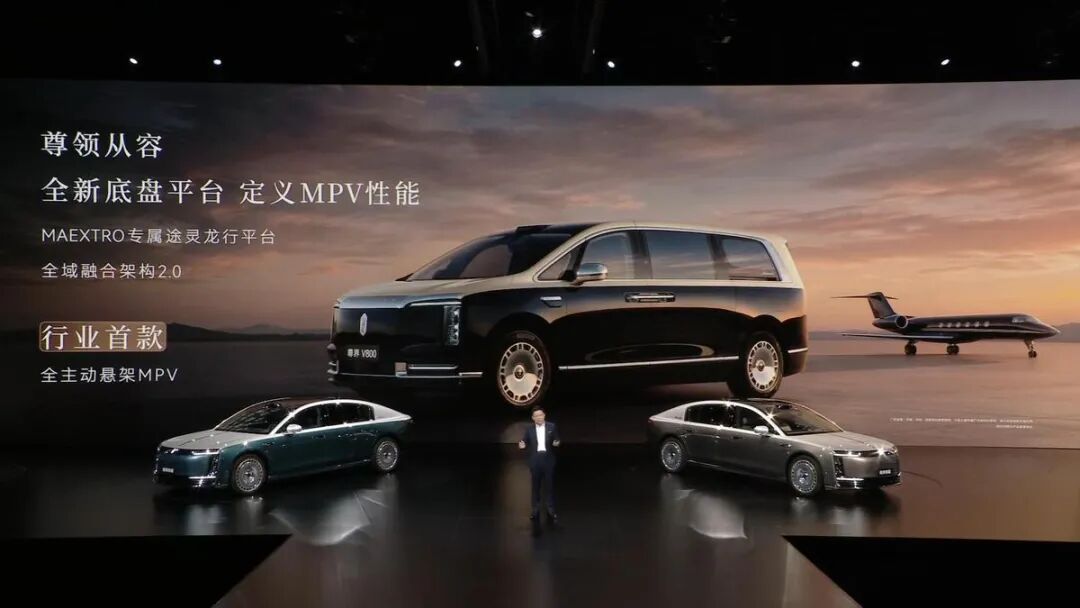
Currently, MPVs are garnering enough orders in just one hour to match Lexus’s annual sales in China. Off-road vehicles are rewriting the rules, and SUVs are far ahead. The only segment where Huawei has yet to dominate is sedans.
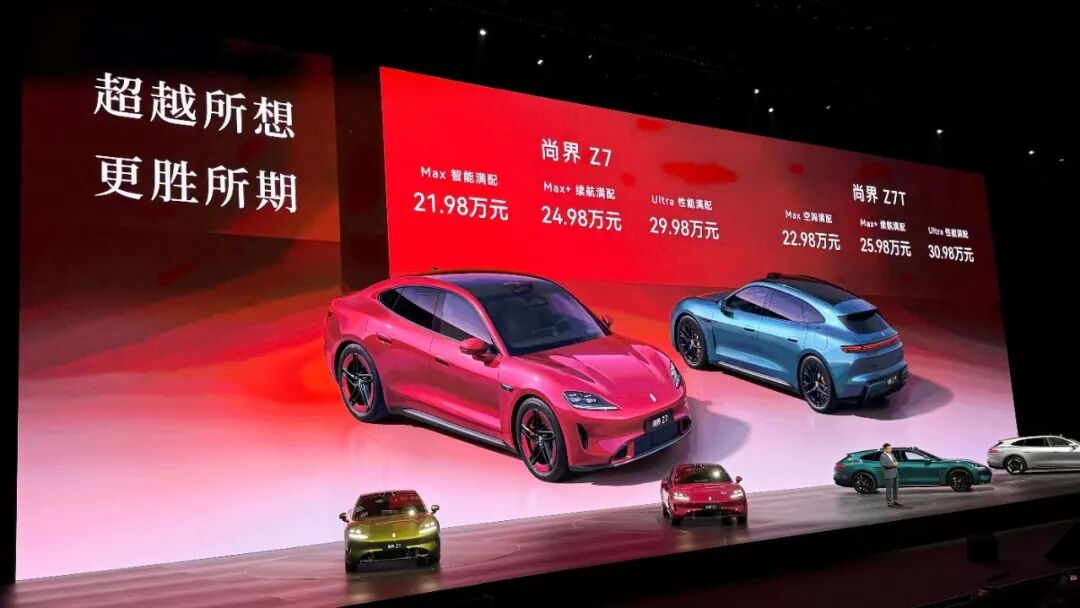
From the initial Luxeed S7, followed by the Xiangjie S9/S9T, then the Zenith S800, and the latest Shangjie Z7/Z7T, as well as models like the Voyah Zhuguang, Avatr 06, Avatr 12, and Arcfox Alpha S, none have broken into the mainstream consumer market as explosively as SUVs have. 
Can Huawei succeed in sedans? It’s time to reconsider.
In the SUV segment, the Aito M9, with an average price exceeding RMB 450,000, has dominated its market segment for over a year.
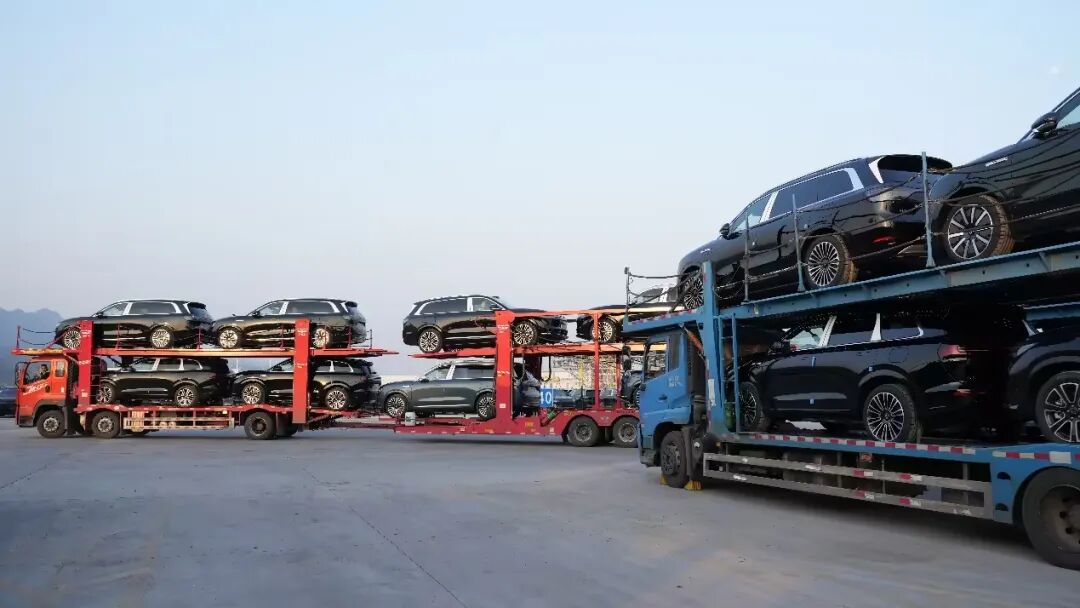
The Aito M8, with an average price over RMB 400,000, has consistently achieved monthly sales exceeding 20,000 units since its launch. Even models like the Luxeed R7 or Shangjie H5 have shown strong sales performance at times. Outside the Harmony Intelligent Mobility Alliance, the Yijing X9 is creating significant buzz, and several models in the Voyah Taishan series are also making waves.
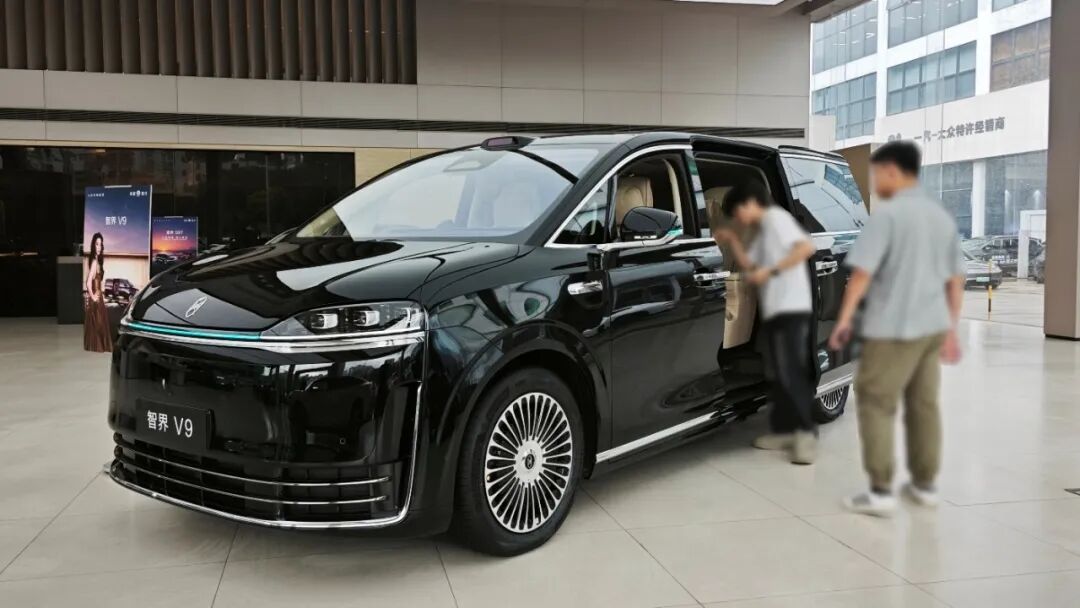
As for MPVs, the Voyah Dreamer needs no introduction, and the recently launched Luxeed V9 seems poised to become the new market leader.
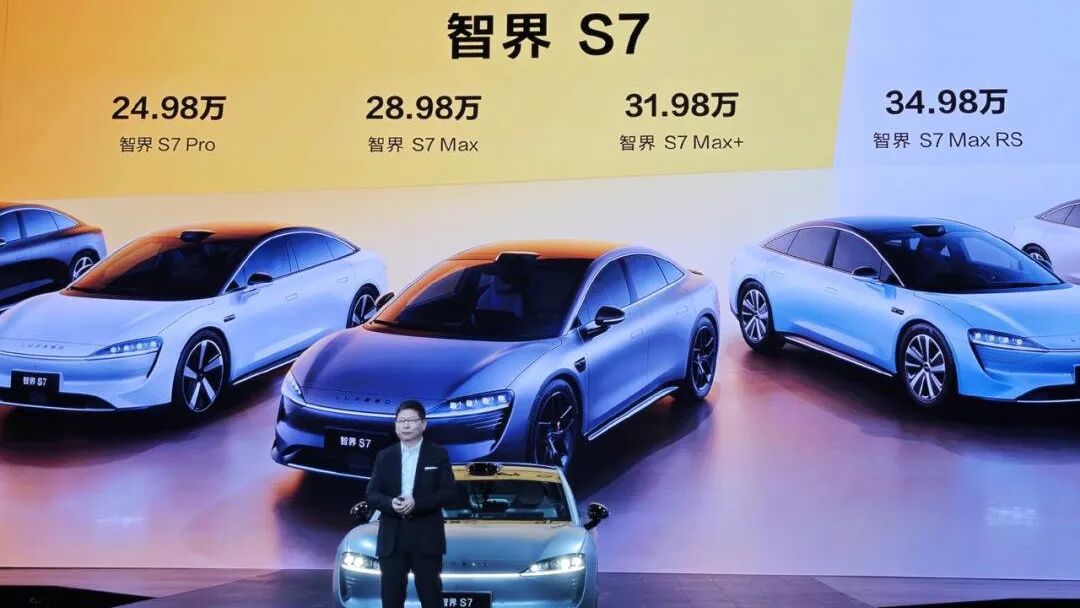
However, in the sedan segment, Huawei-backed models have yet to deliver many surprising results. The earliest entrant was the Luxeed S7, a collaboration between Chery and Huawei. After facing production capacity issues and long delivery times, its sales dropped to fewer than 120 units per month by the end of 2023. Despite subsequent efforts, including re-launches, its annual sales for 2025 amounted to only 12,300 units, averaging around 1,000 units per month.
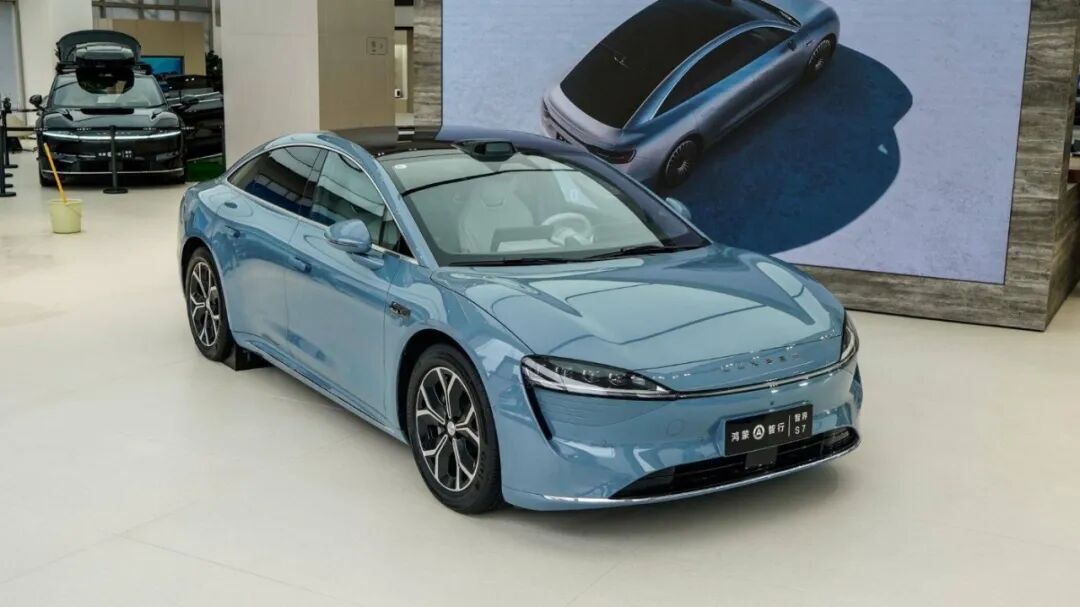
Entering 2026, the situation has not improved. Multiple sources indicate that the Luxeed S7's challenges lie less with the product itself and more with corporate, operational, supply chain, production, and marketing issues.
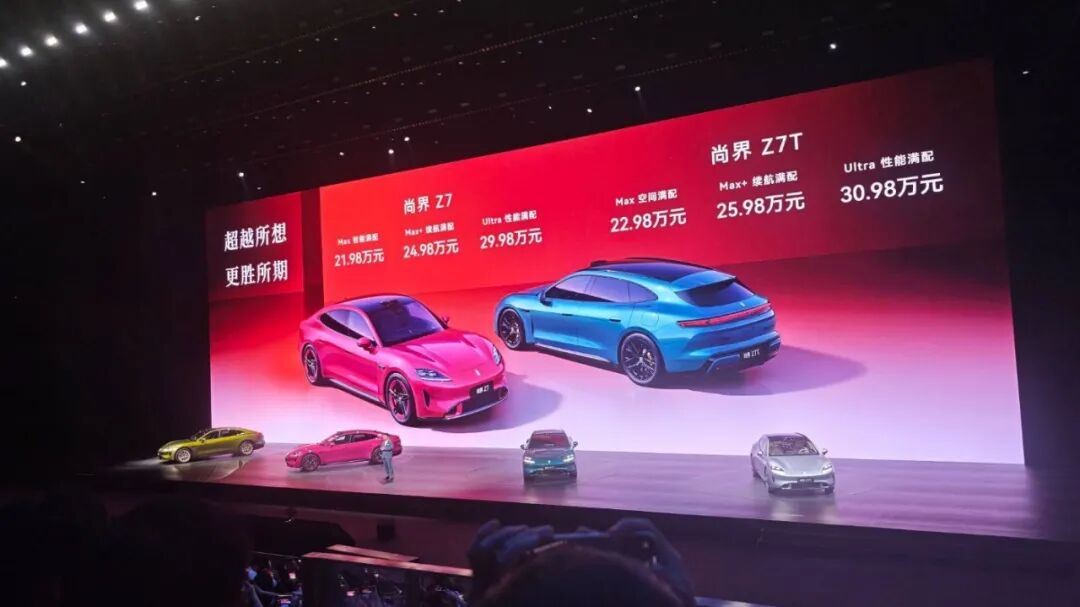
A similar situation applies to the recently launched Shangjie Z7 and Shangjie Z7T. According to official data, they received over 12,000 firm orders within 27 minutes of launch and accumulated over 80,000 preliminary reservations before launch. However, in their first full delivery month in May 2026, retail sales amounted to only 1,176 units.
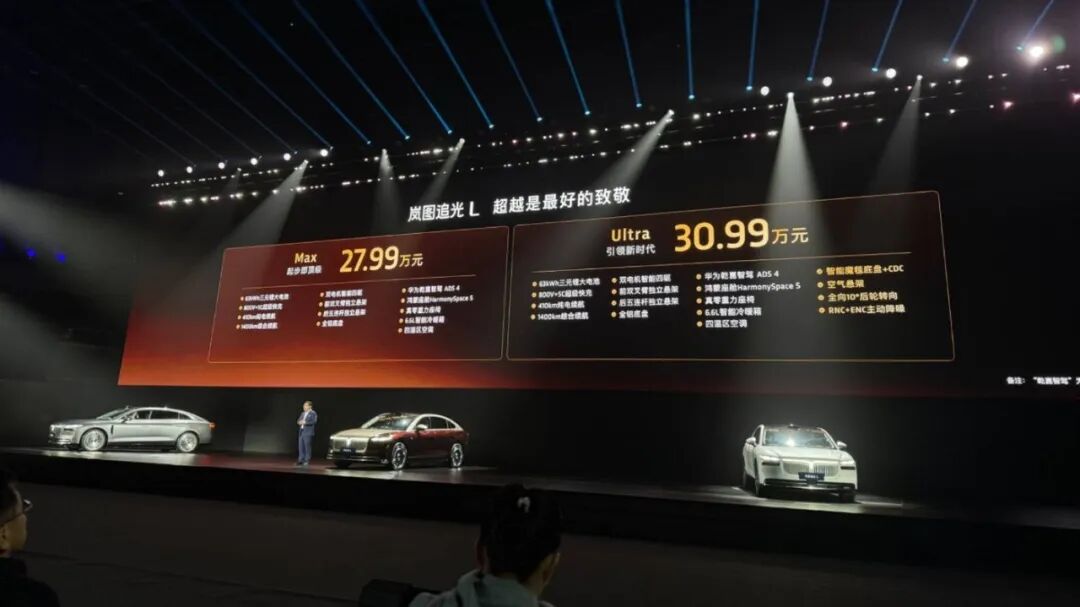
In other words, in the mass market below RMB 300,000, Huawei-backed sedans, including the Voyah Zhuguang and GAC Aion's A800, are far less prominent than SUVs and MPVs.
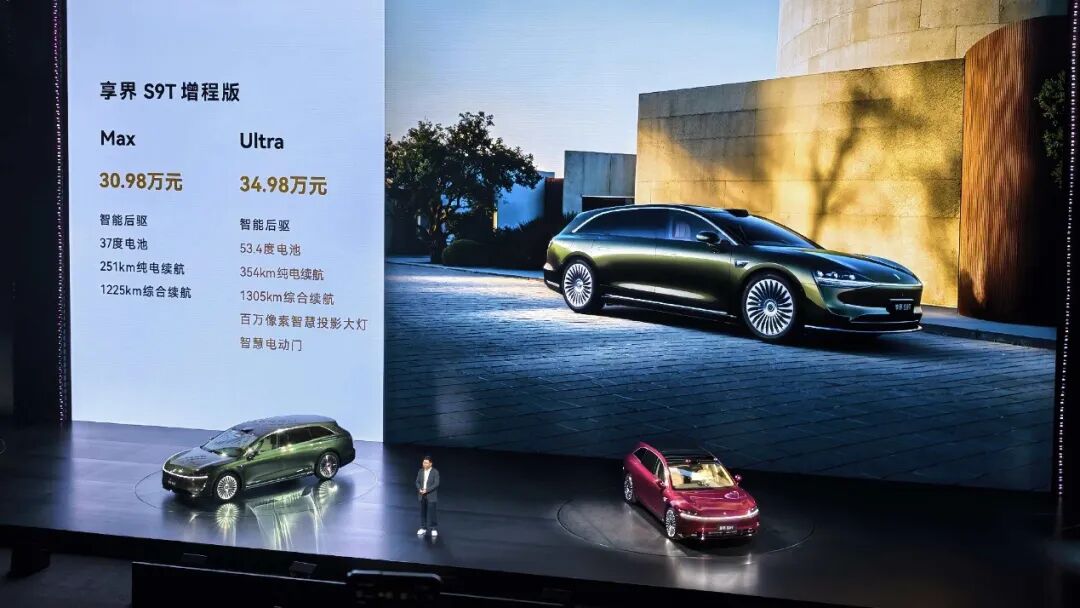
Some may argue that the Xiangjie and Zenith have broken industry records with their sales performance. While they have indeed disrupted traditional patterns to some extent, gaining significant market influence will clearly take more time. The Xiangjie S9, a competitor to the Mercedes-Benz E-Class and Audi A6L, had accumulated over 60,000 deliveries by May 2026 and has been the top-selling new energy sedan priced above RMB 300,000 for seven consecutive months since October 2025. Notably, in December 2025, combined sales of the S9 and S9T reached 7,100 units, ranking them in the top five among luxury sedans.
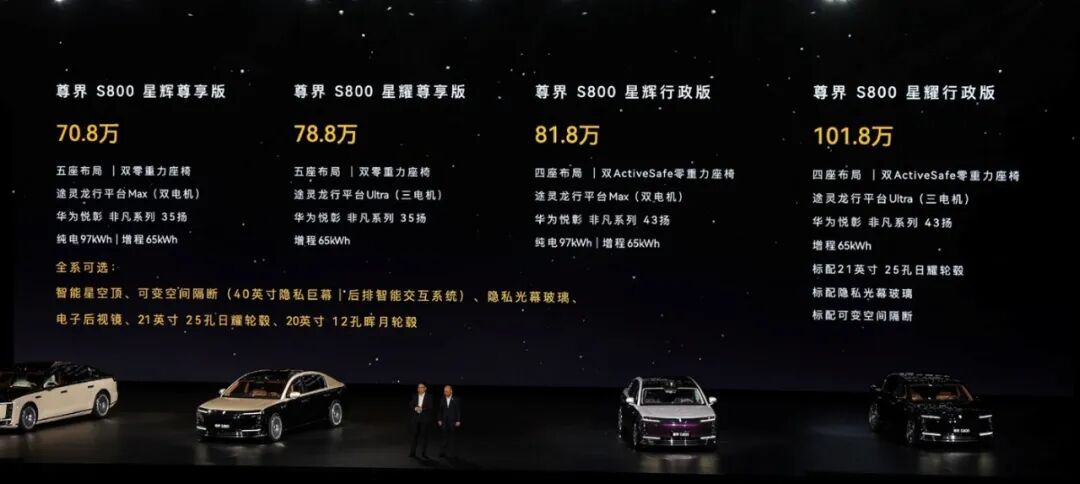
The Zenith S800 has also transformed the market landscape, at one point surpassing the Mercedes-Benz S-Class Maybach and BMW 7 Series in terms of sales numbers. However, the current issue is that the Xiangjie's sedan sales are significantly lower than Aito's blockbuster models. For the Zenith, even though it has changed market rules and is considered the best luxury sedan above RMB 1 million by many, JAC's continuous financial losses reflect the need for additional profitable categories to achieve a turnaround.
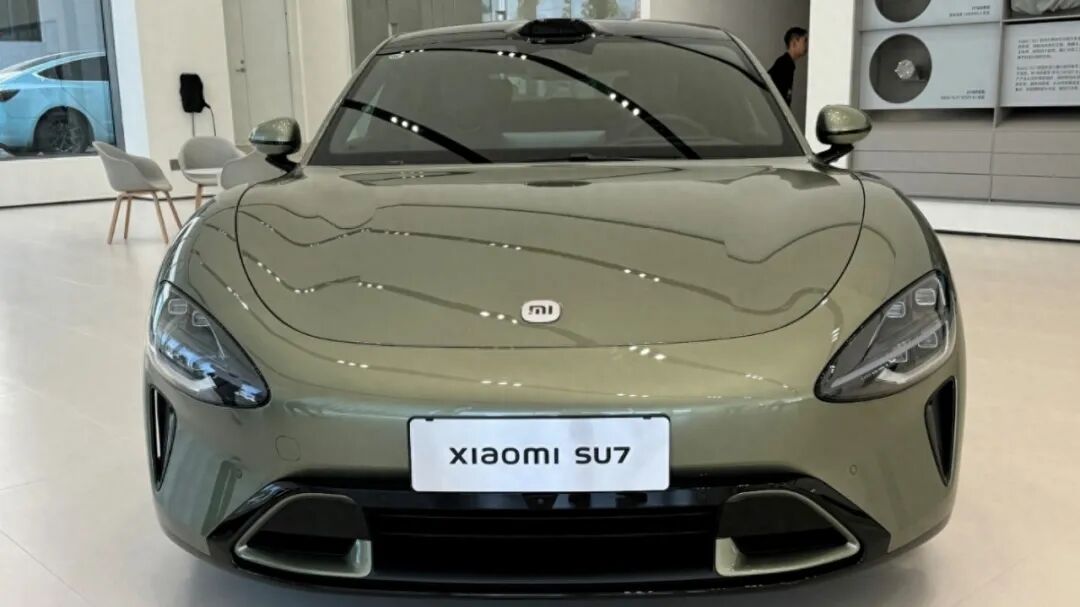
Comparing these sedan results to the Xiaomi SU7 makes for even more thought-provoking analysis. Collectively, they cannot match the Xiaomi SU7's performance, which is undoubtedly disappointing for any Huawei-backed model.
Since its launch in March 2024, the Xiaomi SU7 has been the only model in the market to break the Tesla Model 3's dominance in the RMB 200,000 pure electric sedan segment. It delivered 136,900 units in its first eight months in 2024, 258,200 units in 2025, and over 100,000 units in the first quarter of 2026.
Never underestimate Huawei’s potential in sedans.
Why is this the case? There are three main reasons:
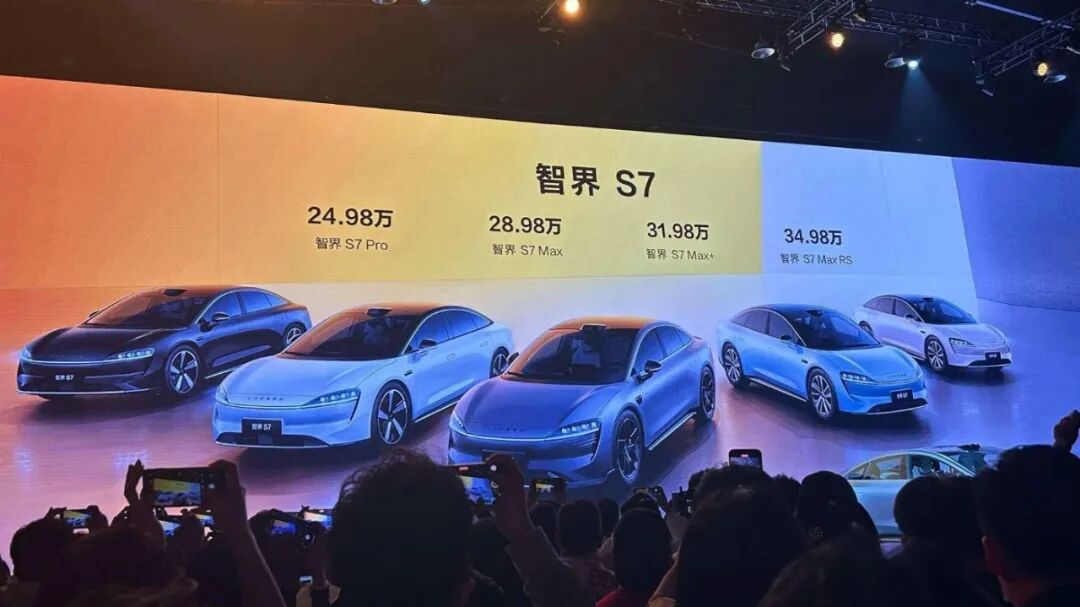
First, each product has faced unique challenges. Second, consumer perceptions play a role. Third, the collaboration model is a factor.
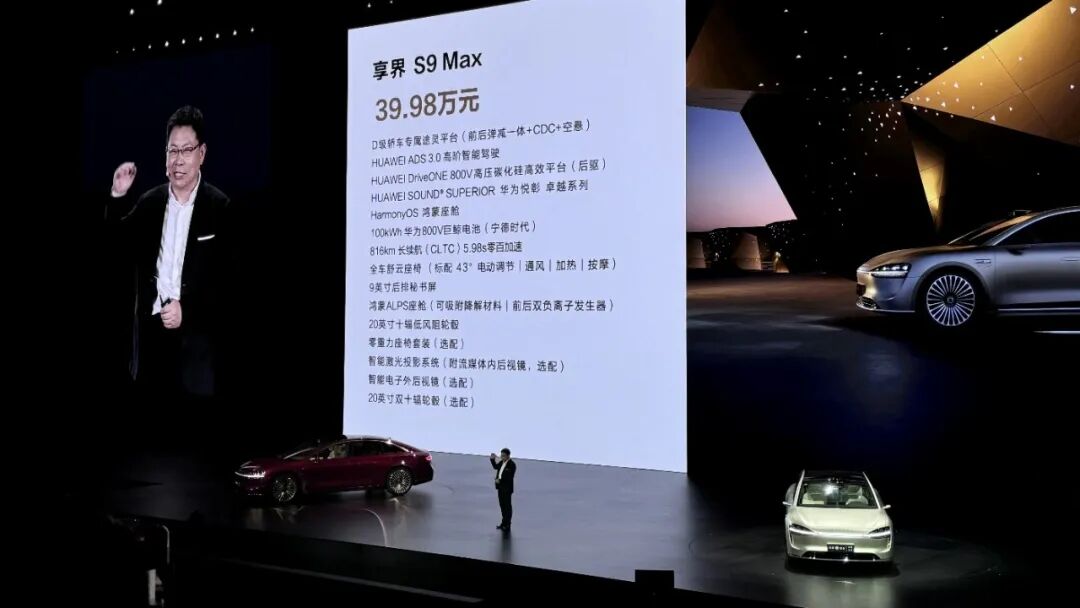
From a product perspective, the Luxeed S7 was initially hindered by production capacity and quality issues, failing to establish a strong position in the sedan market. Among Harmony Intelligent Mobility Alliance models, what advantages do sedans offer over SUVs? While the Luxeed S7 is marketed as highly sporty, Aito's SUVs are also promoted with similar attractive attributes.
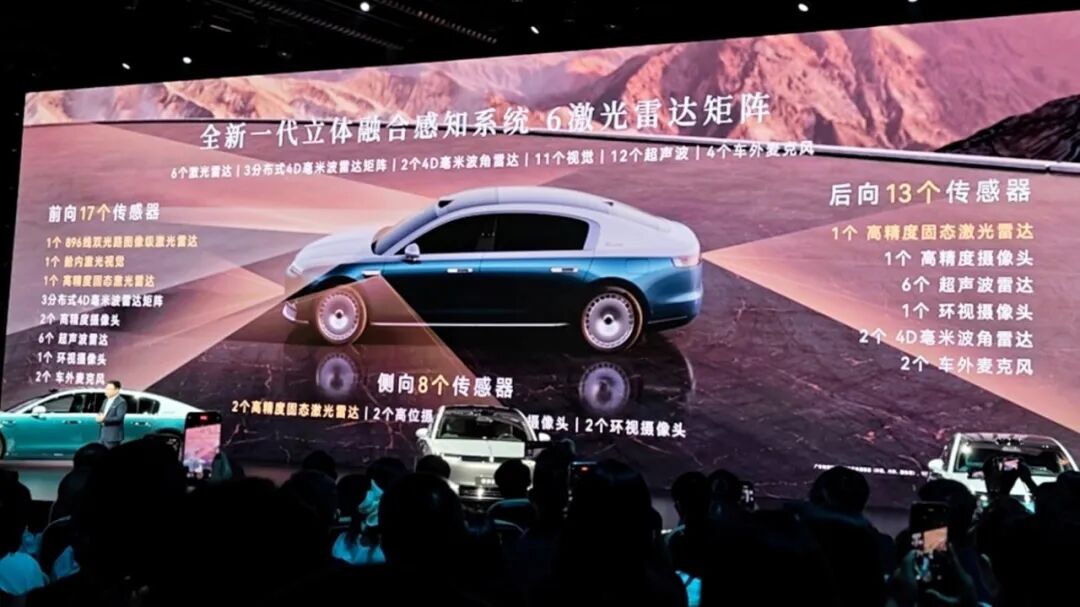
The Xiangjie S9 and S9T face a different situation, as they compete in Mercedes-Benz and BMW's last stronghold—the luxury market. In this segment, brand strength is as crucial as product capabilities. Additionally, Huawei-backed sedans must contend with competition from their own SUVs.
The Zenith S800 presents a unique case. Its product and technology, including L3 autonomy, justify a significant price premium. While Rolls-Royce models start at over RMB 5 million, the Zenith S800 offers comparable features for just RMB 1 million.
The Shangjie Z7 and Z7T may still have a chance for a sales breakthrough, depending on whether they can demonstrate strong performance and reliable production capacity after June sales figures are released. Currently, their main selling points are their relatively affordable pricing and Porsche-like appeal.
After discussing product-related factors, we can better understand consumer perceptions—the second key point. The question is simple: Why choose a Huawei-backed sedan over a similarly priced Huawei-backed SUV?
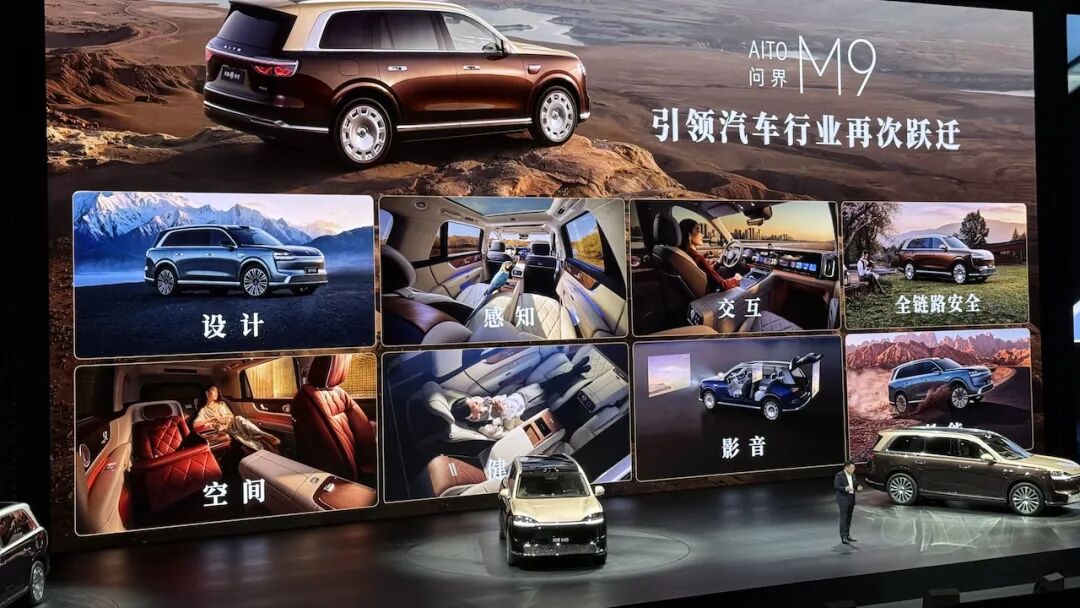
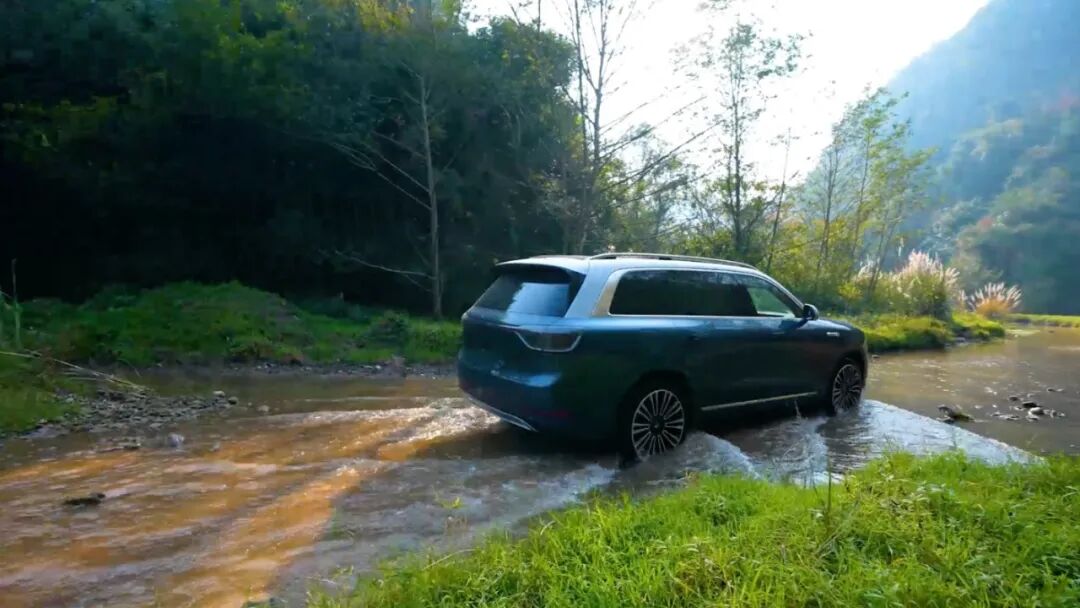
SUVs offer higher ground clearance for rough roads, better driving visibility, more spacious interiors, and greater storage capacity. Leveraging Huawei's strengths in computing power and AI, SUVs can also deliver superior driving control. Consequently, Huawei-backed sedans lack significant differentiating advantages.
Pricing differentiation could help, as seen with the Zenith S800's premium pricing and the Xiangjie S9 and S9T. For a long time, Harmony Intelligent Mobility Alliance lacked a strongly luxury-oriented model in the RMB 300,000-370,000 range, making these models unique. However, the Luxeed S7, Shangjie Z7, and Z7T face significant pressure in terms of perceived uniqueness and scarcity.
The third factor is Huawei's level of commitment, which extends beyond technology and product definition to include deep integration in marketing and even executive involvement. For example, while you might not recall the names of Seres' executives, you would immediately think of Yu Chengdong when mentioning the Aito M7, M8, or M9. This is a prime example, and currently, the sedan segment most closely associated with executive involvement is the Zenith.
In summary, Huawei-backed sedans currently appear less competitive than their SUV counterparts in the eyes of the market. After all, when Huawei's full capabilities are utilized, differences become harder to distinguish.
However, the latest developments suggest that things are beginning to change.
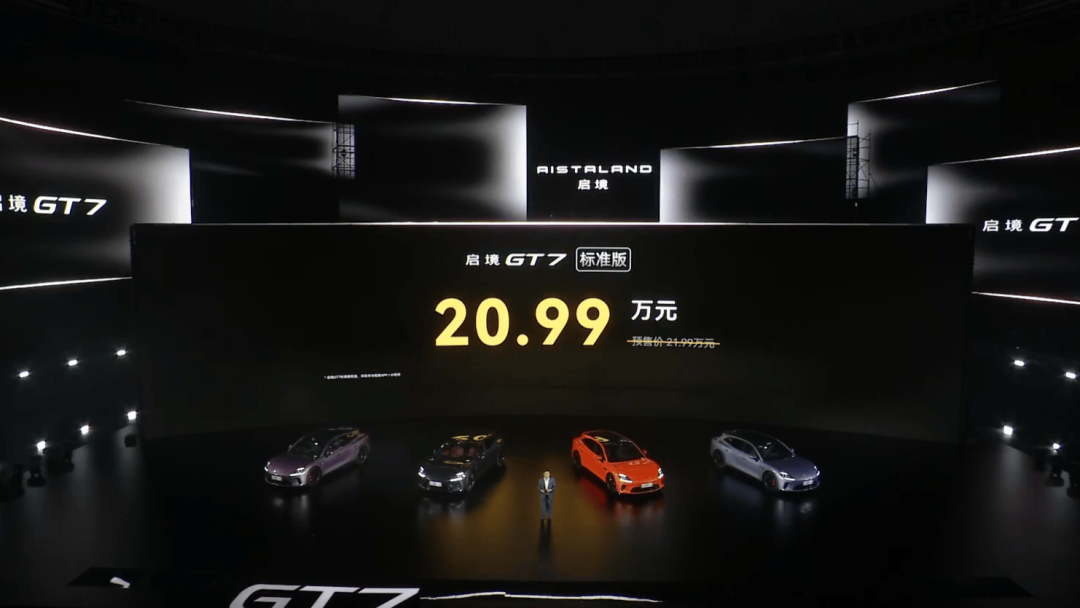
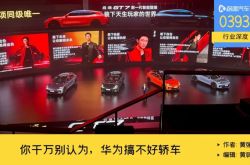
For instance the, launch of the Qijing GT7 may seem like direct competition with the Shangjie Z7/Z7T in a crowded market. However, two key details highlight its strengths.
First, from a product and technology perspective, the Qijing GT7 manages to stand out despite widespread Huawei adoption. Priced between RMB 209,900 and RMB 329,900, it offers three single-motor versions at RMB 209,900, RMB 239,900, and RMB 269,900, and two triple-motor versions at RMB 299,900 and RMB 329,900. The triple-motor all-wheel-drive version priced at RMB 299,900 is particularly noteworthy, as the competing Tengshi Z9 GT starts at RMB 309,800. Additionally, GAC's prior experience in building supercars gives the Qijing GT7 an edge in extreme performance.
The Qijing GT7 boasts another core feature in terms of technology, which is its sedan characteristics. The Huawei Chitu platform comes as standard in the Qijing GT7, even in the version priced at RMB 209,900. This means that in terms of driving capabilities, six dimensions—drive, brake, steering, suspension, body, and thermal management—can be uniformly controlled, resulting in superior driving performance.
Among SUVs in the same price range, no one has yet achieved comparable performance.
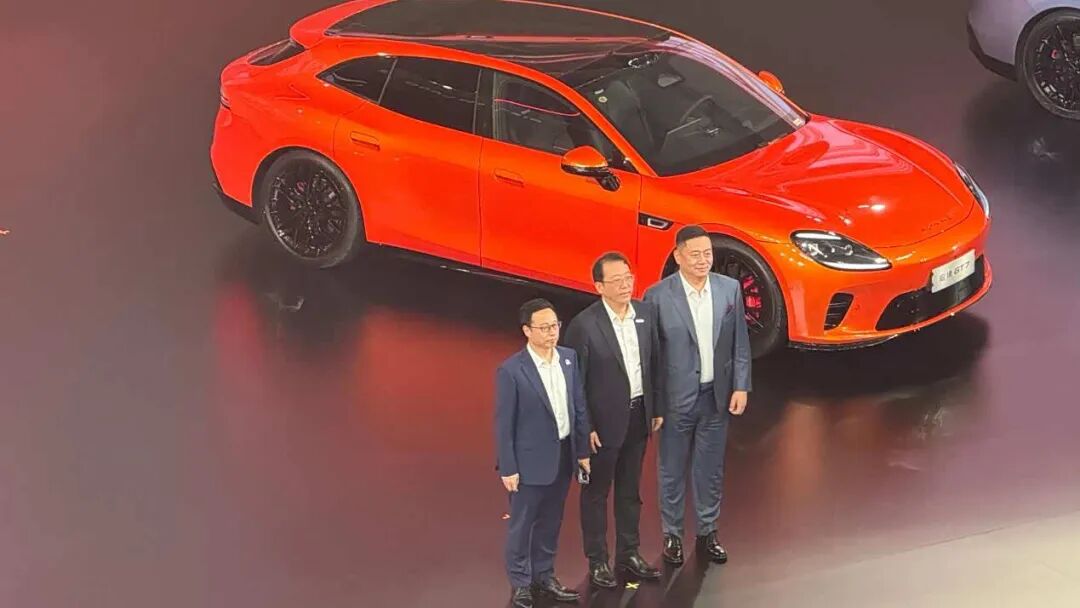
Second, let's consider participation. Jin Yuzhi currently represents Yinwang and the automotive BU, deeply engaging in the marketing of more vehicle models. On June 25th, during the launch of the Qijing GT
-
![]()
Depreciation Rate on Par with Mobile Phones: Just 40% Value Retention After Three Years—Why Do Battery Electric Vehicles Lose Their Worth?
-
![]()
Clearing Bugatti Stock Worth 7 Billion: Why is Porsche 'Cutting Ties'?
-
![]()
Don’t Dismiss Huawei’s Potential in Sedans Just Because the Shangjie Hasn’t Hit It Big Yet
-
![]()
Unsold Cars in China Find Success Overseas
-
![]()
Ghosn: Only I Can Save Nissan, Shareholders Beg Me to Return
-
![]()
Expanding Automobile Consumption: It's Time to Address the High Cost of Electric Vehicle Repairs
-
![]()
Luna Ultra Entangled in 'National Subsidy Fraud' Controversy, Insta360 Pushed to the Brink by DJI
-
![]()
People have long suffered from splash ads. Will the 'temporarily disappeared' traffic behemoth make a comeback?