Depreciation Rate on Par with Mobile Phones: Just 40% Value Retention After Three Years—Why Do Battery Electric Vehicles Lose Their Worth?
 06/29 2026
 439
439
In the age of traditional fuel-powered vehicles, a comprehensive system existed for evaluating the residual value of used cars. Based largely on factors such as brand reputation, sales volume, market conditions for new cars, mileage, and overall vehicle condition, one could accurately gauge the residual value of a second-hand vehicle. Typically, the five-year residual value rate for joint-venture fuel vehicle brands could exceed 50%.
For Japanese or German cars, the five-year residual value rate would be even higher. So, what's the current state of residual value rates for battery electric vehicles (BEVs) in the new energy vehicle era?
You might find it hard to believe, but data indicates that electric vehicles (EVs) that are three years old could still fetch around 45% of their new car price in 2024. By 2025, this figure had decreased to 40%. In other words, the residual value of most BEVs over three years old now hovers at just 40%.
Another set of survey data might send shivers down your spine. Currently, over 80% of used car dealers in China have explicitly refused to accept BEVs that are over five years old. In their opinion, BEVs over five years old are practically indistinguishable from a heap of scrap.
The above scenario pertains only to the domestic market; in Europe, the residual value rate of EVs is even lower. For EVs that are also three years old, the residual value rate was approximately 50% in 2022. By 2025, this figure had plummeted to 35%, even lower than the residual value rate of second-hand BEVs in the domestic market.
In essence, the current global market conditions for second-hand BEVs are roughly on par with electronic products like mobile phones in terms of residual value rate.

Of course, the above refers to general circumstances, and not all BEVs can achieve a 40% residual value rate after three years. The three-year residual value rate for many models has even dropped to 20-30%. Let's examine the data.
The models with the lowest three-year residual value rates in the domestic auto market include the Weltmeister EX5, HiPhi X, and Neta U. Among them, the current four-year residual value rate of the Weltmeister EX5 is 23-28%, the three-year residual value rate of the HiPhi X is 28-34%, and the three-year residual value rate of the Neta U is around 35%.
The primary reason why the residual value rates of the aforementioned models are below average is that the original equipment manufacturers (OEMs) have ceased operations. Purchasing such vehicles not only means the inability to receive normal over-the-air (OTA) upgrades in the future but also the lack of even the most basic warranty for the three electric systems.
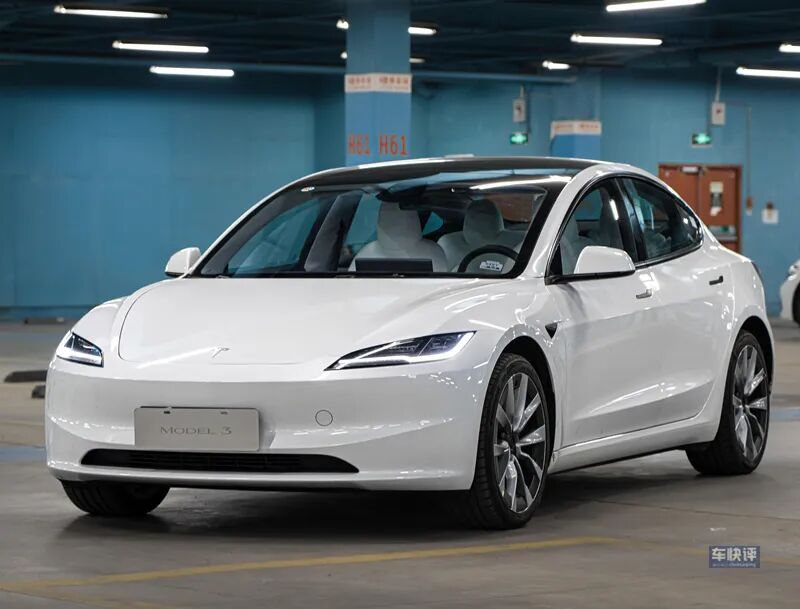
In contrast, the three-year residual value rates of pure electric vehicle models from some well-established brands can still exceed 50%. For instance, the Tesla Model 3 has a three-year residual value rate of nearly 62%. The BYD Seagull boasts a three-year residual value rate of 53.5%. The NIO ET5, thanks to its battery swap advantage, also has a three-year residual value rate of over 50%.
The reason why the residual value rates of second-hand BEVs are so low, in addition to being influenced by new car price wars and rapid technological advancements, lies in a core factor: the battery. Once many models surpass the official warranty period, if issues arise with the three electric systems, the replacement costs are essentially exorbitant.
The current market trend is such that for every 10% decline in battery health, the overall vehicle price also drops by approximately 10%.
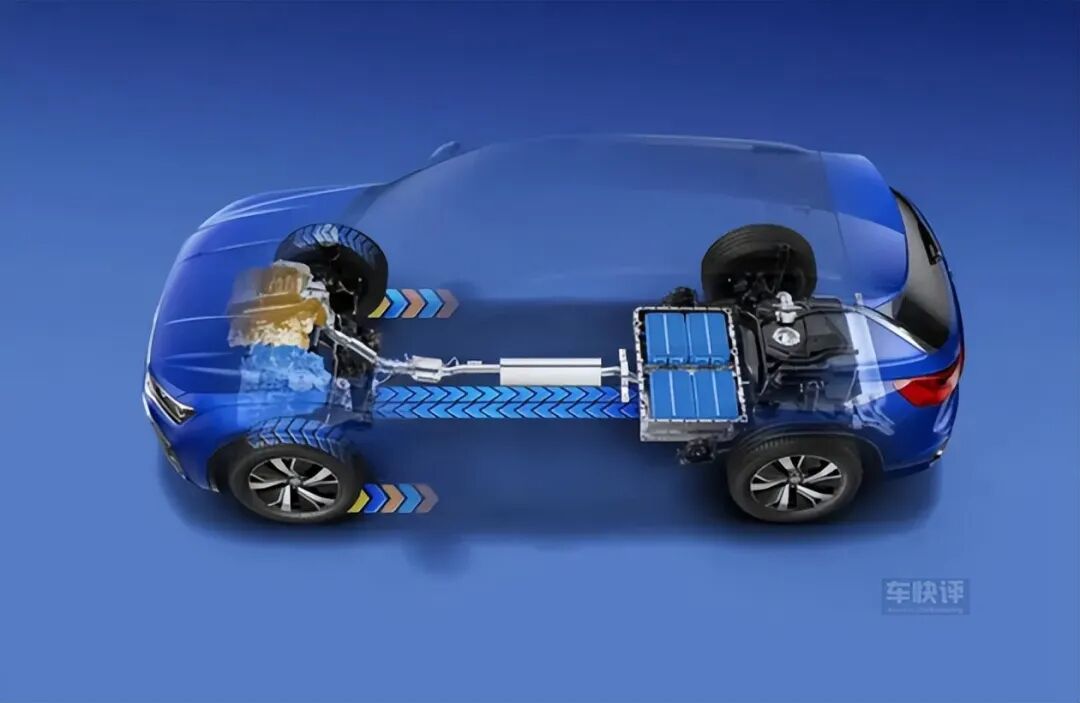
In comparison, the three-year residual value rates of plug-in hybrid or range-extended hybrid models are slightly higher than those of BEVs, by about 8%. However, compared to traditional fuel vehicles, they are still 6-9 percentage points lower.
Copyright Notice: This article is original to Che Kuaiping. Reproduction requires permission. Unauthorized reproduction is strictly prohibited, and any form of plagiarism or misappropriation of the text and images will result in legal action. Some images in the article are sourced from the internet, and the copyright belongs to the original authors. If your work is used, please contact us for royalties or deletion.
-
![]()
Depreciation Rate on Par with Mobile Phones: Just 40% Value Retention After Three Years—Why Do Battery Electric Vehicles Lose Their Worth?
-
![]()
Clearing Bugatti Stock Worth 7 Billion: Why is Porsche 'Cutting Ties'?
-
![]()
Don’t Dismiss Huawei’s Potential in Sedans Just Because the Shangjie Hasn’t Hit It Big Yet
-
![]()
Unsold Cars in China Find Success Overseas
-
![]()
Ghosn: Only I Can Save Nissan, Shareholders Beg Me to Return
-
![]()
Expanding Automobile Consumption: It's Time to Address the High Cost of Electric Vehicle Repairs
-
![]()
Luna Ultra Entangled in 'National Subsidy Fraud' Controversy, Insta360 Pushed to the Brink by DJI
-
![]()
People have long suffered from splash ads. Will the 'temporarily disappeared' traffic behemoth make a comeback?