The Paradox of Car Sales: Why Do Automakers Keep Launching New Models Amid Rising Losses?
 07/17 2026
 535
535
July 16th may appear to be just another uneventful day, but for the domestic automotive market, it was anything but ordinary. On this day, eight automakers held press conferences, with six of them unveiling new car models.
While the launch of six new models in a single day might seem bustling with activity, what truly lies beneath this apparent prosperity? This article aims to delve into this intriguing topic.
Upon reviewing the sales data, I discovered that a staggering 630 new models were introduced to the domestic automotive market in the first half of this year—yes, you read that correctly, 630 models. This translates to an average of 3.5 new models being launched every day. So, who exactly are these new models being sold to? And how much did sales in the domestic automotive market actually increase during the first half of the year?

According to data released by the China Passenger Car Association (CPCA) and the China Association of Automobile Manufacturers (CAAM) regarding production and sales volumes in the domestic automotive market for the first half of the year, from January to June, China's total automobile production stood at 14.993 million units, marking a year-on-year decrease of 4%. Similarly, total sales reached 15.017 million units, also showing a year-on-year decrease of 4.1%. In essence, both production and sales volumes in the domestic automotive market experienced a decline compared to the same period last year. It's important to note that the aforementioned sales figures encompass wholesale data. If we examine retail data, the results may come as a surprise.
Domestic sales amounted to only 9.921 million units, representing a year-on-year decrease of as much as 21.1%. What does this signify? It indicates a waning enthusiasm among domestic consumers for purchasing cars. Leading domestic automakers such as BYD, Geely, and Chery have all witnessed substantial increases in their overseas sales.
In other words, had it not been for these leading domestic automakers leveraging their technological prowess to expand overseas, the decline in sales in the domestic automotive market during the first half of the year would have been far more severe than 4.1%.
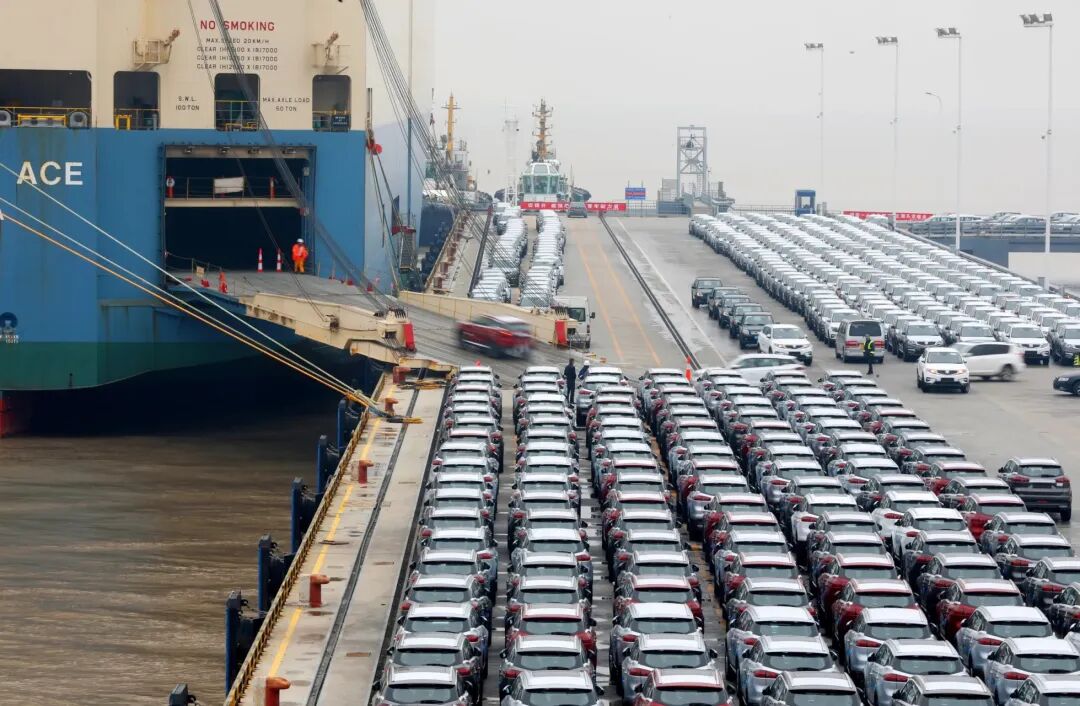
Having discussed the overall sales situation in the domestic market, let's briefly examine the profits of automakers. Although traditional automakers like BYD, Geely, Chery, Great Wall, and Changan are still profitable, their profits have generally seen a year-on-year decline. On the other hand, new car-making forces are incurring significant losses. From the information currently available, except for NIO, which managed to achieve a slight profit in the first half of the year, other new car-making forces with seemingly respectable sales, such as Li Auto, XPeng, Leapmotor, Seres, and Xiaomi, are all facing losses.
Among them, new car-making forces like Li Auto, Leapmotor, and Seres, which had previously achieved profitability, are likely to transition from profit to loss in the second quarter. Due to space constraints, specific data will not be listed here; interested readers are encouraged to look it up online.
This raises the question: What is the reason behind the collective losses among new car-making forces? The answer can be succinctly summarized in one sentence: The more cars sold, the greater the losses incurred.
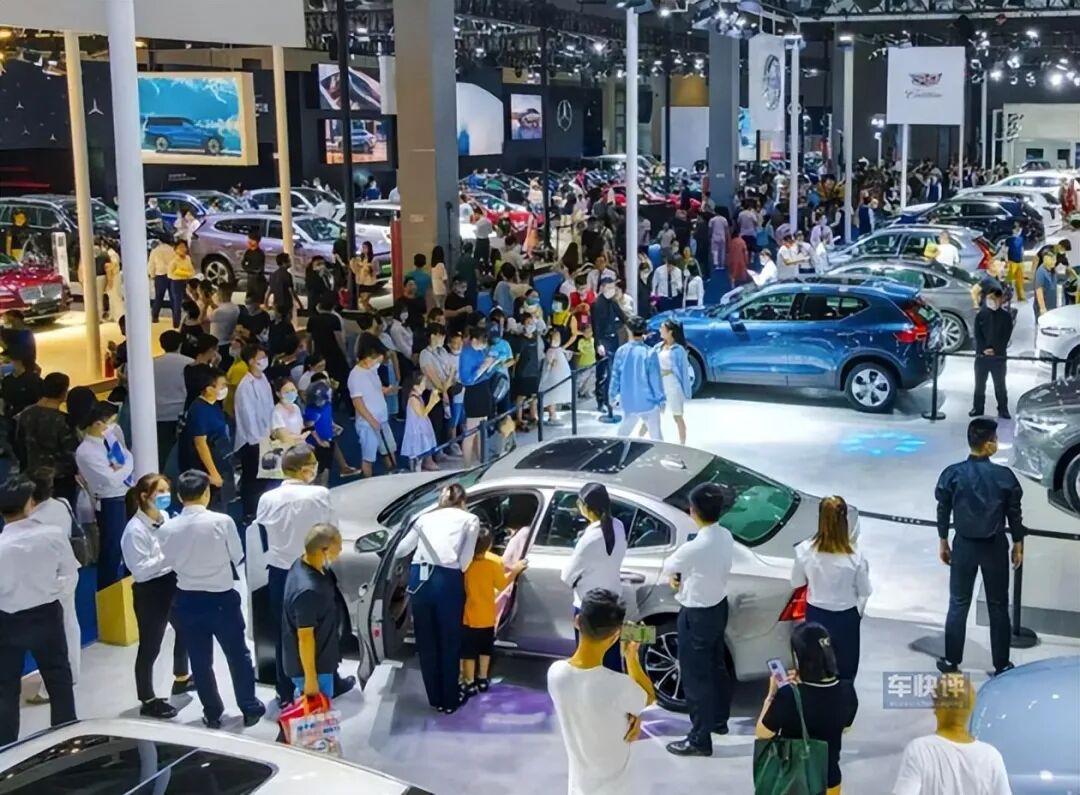
Currently, traditional fuel vehicles are offered with terminal market discounts ranging from 20,000 to 50,000 yuan, with gross margins of less than 2%. The competition in the new energy vehicle market is even more intense, leading to negative gross margins for some models. In this scenario, once the supply of new cars surpasses demand, the domestic automotive market enters an inventory era. To sell well, in addition to relying on quality, price reductions become crucial.
When competition reaches a fever pitch and prices fall below the gross margin threshold for individual models, the situation arises where selling more cars leads to greater losses.
Returning to the topic at the beginning of the article, the domestic automotive market has transitioned beyond the era of incremental growth driven by rapid expansion. The market simply cannot absorb such a vast number of new models, yet automakers persist in launching new models one after another, despite the pressure of rising raw material costs and the need to invest billions or even tens of billions each time. This can only have a detrimental impact on the development of the domestic automotive market or, worse, create a vicious cycle where an abundance of cars leads to fiercer competition and unscrupulous price wars to sell vehicles.
However, not launching new models is not a viable option either—without generating interest and traffic, where would sales come from?
Copyright Notice: This article is original content from Che Kuai Ping. Reproduction requires authorization. Unauthorized reproduction and any form of plagiarism or misappropriation of text or images will be subject to legal action. Some images in the article are sourced from the internet, with copyright belonging to the original authors. If your work is used, please contact us for royalties or removal.
-
![]()
Casarte Holds the Fort, COLMO Catches Up, Samsung Exits: Who Will Have the Last Laugh?
-
![]()
Striving to Lead in New Energy: Anhui's Challenge to Overcome the 'Hefei vs. Wuhu' Rivalry
-
![]()
Four Anhui Pioneers: Two Decades Shaping China’s Auto Industry
-
![]()
Important to Observe: BYD Surges 20% Against Market Trend in July, Will It Reclaim the 1 Trillion Yuan Mark or Soar Even Higher?
-
![]()
Autonomous Driving Enters the Second Half: ByteDance Enters the Field, NVIDIA Restructures, and the First IPO Emerges
-
![]()
Service Takes Center Stage: A 2026 Mid-Year Analysis of BBA Reputation Index
-
![]()
The Paradox of Car Sales: Why Do Automakers Keep Launching New Models Amid Rising Losses?
-
![]()
"If We Can't Find a Breakthrough in Three Years, We're Finished": Japanese Cars Are Increasingly Emulating Chinese Models