Four Anhui Pioneers: Two Decades Shaping China’s Auto Industry
 07/17 2026
 421
421
While the future of China’s automotive sector remains uncertain over the next 20 years, one fact is clear: four men from Anhui, alongside tens of thousands of Chinese automakers, have turned once-impossible dreams into reality.
The camera pans across a sunset over Chaohu Lake, tracing the shoreline of the Tangxi River northward before landing on Hefei’s Binhu New Energy Industrial Park.
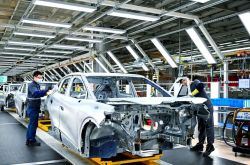
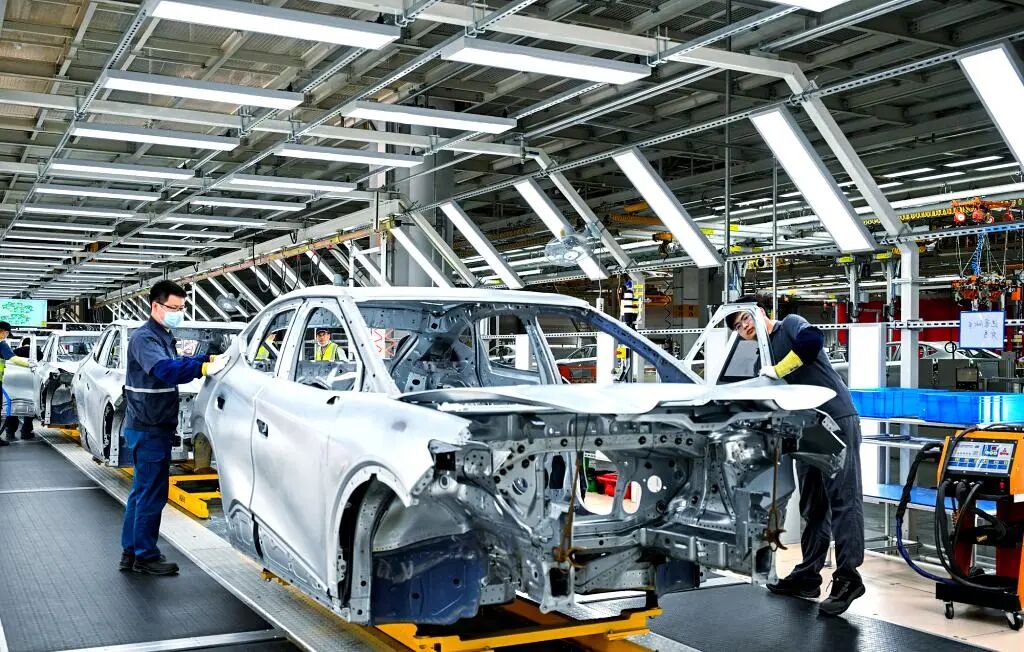
A brand-new Yangwang U8 rolls off the assembly line as, nearby, Chery’s production line churns out a Fengyun A9 every 60 seconds. In NIO’s final assembly workshop, workers in uniforms buzz past ES9 models, while dozens of kilometers away in the high-tech zone, the Aito M9 completes its final road tests amid Hefei’s evening rush-hour traffic.
Few notice the interconnected destinies hidden within these scenes.
Wang Chuanfu, Yin Tongyue, Yu Chengdong, and Li Bin—four Anhui natives—have spent the past two decades reshaping China’s automotive landscape. Breaking into an industry once dominated by foreign giants, they paved the way for intelligent Chinese vehicles atop the ashes of the internal combustion engine era.
Their journeys included clashes, public debates, and even a 20-year torch-passing legacy. Today, these four leaders collectively dominate half of China’s new energy vehicle market.
Four Parallel Journeys: Crossing the Huai River
The story begins in 1990s Anhui.
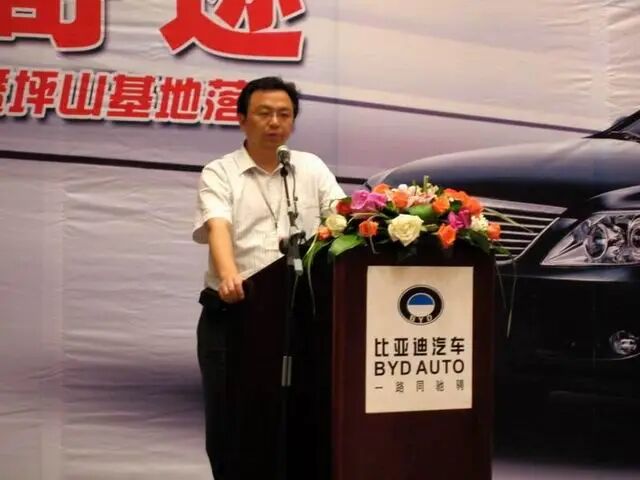
In 1995, 30-year-old Wang Chuanfu left Beijing’s General Research Institute of Non-Ferrous Metals to found BYD in Shenzhen with ¥2.5 million in seed capital. Initially focused on rechargeable batteries—then monopolized by Japanese firms—he hadn’t yet envisioned entering automobiles.
That same year, Yin Tongyue, a 12-year FAW veteran, returned to Wuhu at the municipal government’s request to launch Anhui’s automotive project. On barren land outside Wuhu, FAW engineers disassembled and remapped a Ford engine in a makeshift factory.
No one predicted this brand—later named Chery—would grow into an annual 2.6 million-vehicle powerhouse.
Meanwhile, 24-year-old Yu Chengdong graduated from Northwestern Polytechnical University and joined Huawei’s nascent digital communications division, while 22-year-old Li Bin, a Peking University senior, earned his first fortune writing code.
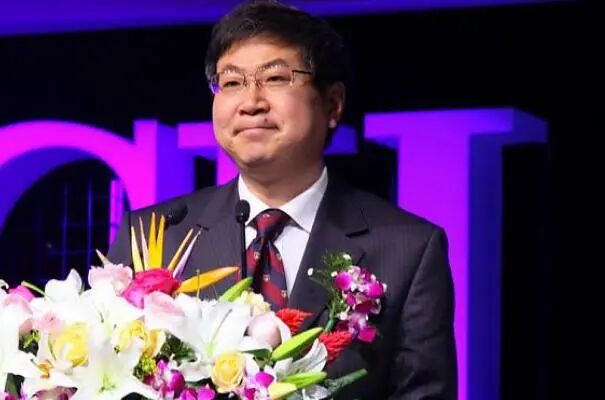
These future automotive leaders initially moved along entirely separate trajectories.
But fate’s gears began turning.
In 2003, Wang Chuanfu shocked the industry by acquiring Xi’an Qinchuan Automobile, officially entering automotive manufacturing. At the time, joint ventures like Volkswagen, GM, and Toyota controlled over 90% of China’s market, marginalizing domestic brands. Critics deemed his move absurd.
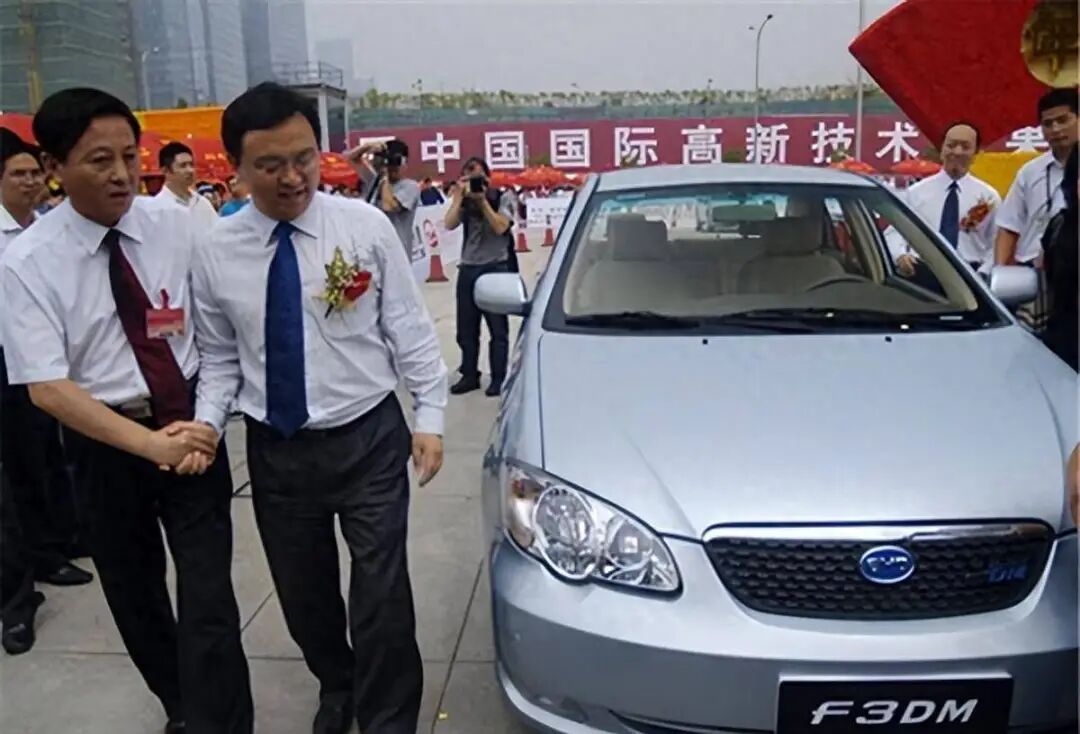
Wang led BYD engineers to replace imported equipment with labor-intensive methods, slashing production costs. By 2008, the ¥80,000 BYD F3 sold 30,000+ units monthly—the first domestic sedan to outsell foreign brands. That same year, Wang launched the world’s first plug-in hybrid, the F3 DM, quietly reaching for the future’s doorknob.
In Wuhu, Yin Tongyue pursued relentless independent R&D at Chery.
The 2001 Fengyun sedan, priced nearly half below foreign equivalents at ¥100,000, sold 28,000 units in its debut year. Yin, dubbed a “technology zealot,” reinvested all profits into R&D, tackling engine, transmission, chassis, and vehicle architecture challenges during internal combustion’s twilight years.
By 2010, Chery became China’s first domestic brand to sell 600,000+ vehicles annually. Yin’s rallying cry—“Building China’s own automotive brand”—inspired a generation.
Meanwhile, Yu Chengdong created Huawei blockbusters like switches and 3G tech, preparing to pivot from telecom to consumer electronics. Li Bin, having founded Yiche.com in 2000, became China’s top internet automotive media figure, daily interacting with automaker CEOs. Few imagined this “media guy” would one day build cars.
In 2009, Beijing’s “Ten Cities, Thousand Vehicles” program ignited China’s new energy vehicle revolution. Wang bet BYD’s future on battery R&D, while Yin quietly assembled Chery’s NEV team. The two Anhui leaders made identical choices from different cities.
Divergence and Clashes: Survival at the Edge
The 2010s marked China’s auto industry turbulence—and the first intersection of these four paths.
Some crashed, some soared, some pivoted, and some went all-in. Their parallel lines finally crossed.
In 2010, BYD faced its first crisis. Wang’s ambition to “become China’s #1 by 2015, global #1 by 2025” led to reckless expansion. By 2012, sales plummeted 10% YoY, dealers fled, and cash flow nearly collapsed.
Wang later recalled waking daily worrying about payroll.
As BYD struggled, Chery achieved a historic breakthrough—its first engine fired on a single ignition, shattering foreign technical blockades. Just 500 days earlier, Yin had defiantly declared, “Let foreigners leave; we’ll do it ourselves!” vowing, “If we fail, I’ll jump into the Yangtze!”
Yin didn’t jump.
Chery mastered engine tech and moved to full vehicle production. Seven months later, the Fengyun 000001 rolled off the line—Chery’s 0-to-1 automotive breakthrough and a new chapter for Anhui.
In 2014, Li Bin founded NIO in Shanghai, pioneering China’s NEV movement with a radical approach: not “affordable EVs” but a “user enterprise” focused on premium service.
Critics called him crazy—a carmaking novice challenging foreign-dominated luxury markets. But Li secured investments from Liu Qiangdong and Ma Huateng, building NIO’s first factory in Hefei with Anhui’s crucial support.
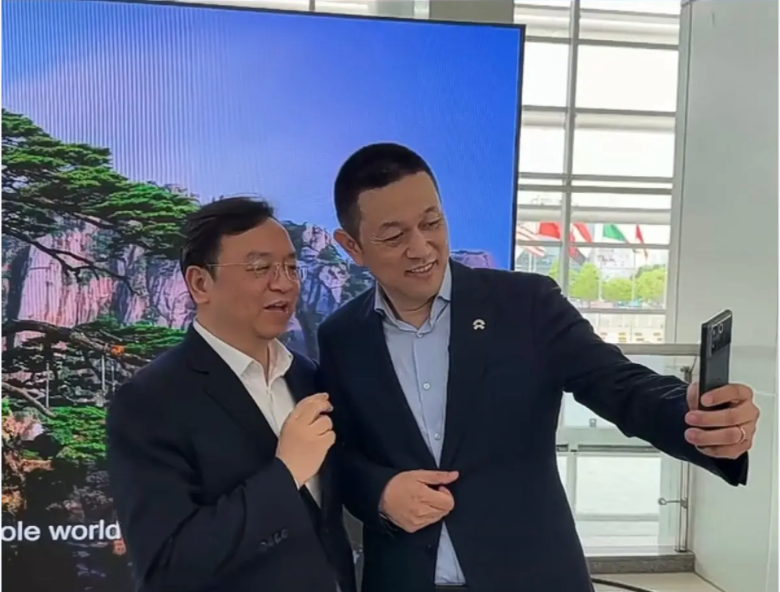
In 2018, Yu Chengdong entered automotive with Huawei’s intelligent solutions. The smartphone industry’s “Yu the Big Mouth” declared, “Huawei won’t build cars—we’ll help others build great ones.”
Traditional automakers viewed Huawei warily, but Yin quickly partnered with them. The Chery-Huawei smart vehicle project became Huawei’s automotive flagship. Later, Wang set aside skepticism, praising the Aito brand and noting Yu’s teams visited BYD for deep exchanges.
Two Anhui leaders—once separated by telecom and automotive—now sailed together.
Over eight years, their paths first collided.
Wang’s BYD surged with plug-in hybrids, Yin’s Chery struggled through internal combustion’s decline, Li’s NIO teetered between financing and production, and Yu’s Huawei sought intelligent driving partners.
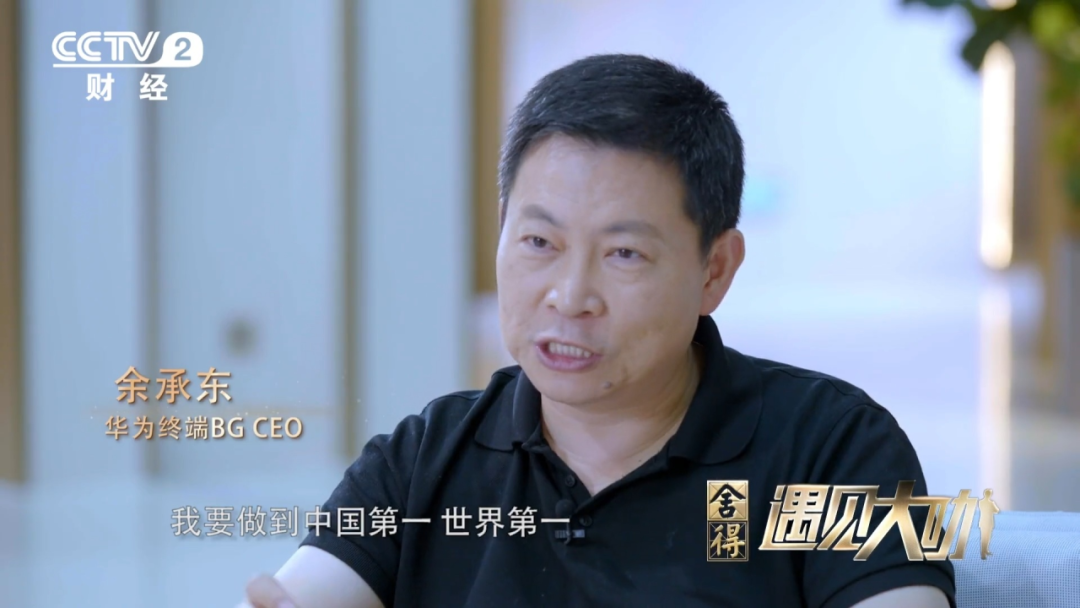
Public disagreements erupted: Wang insisted, “Intelligent driving’s core is vehicle control; we can’t outsource our lifeline.” Yu countered, “Huawei’s tech is open—we help automakers avoid detours.” Li declared, “Traditional automakers’ user thinking is outdated,” while Yin smiled, “New forces have advantages, but traditional automakers have decades of expertise.”
Four Anhui leaders, each navigating survival on the same battlefield.
In 2018, the NIO ES8 delivered, BYD launched its Dynasty series, Chery’s Arrizo NEVs sold in bulk, and Huawei’s first-gen MDC platform debuted. That year, China’s NEV sales surpassed 1.25 million, with all four brands standing center stage.
Unity in the Storm
From 2019–2023, China’s auto industry faced its darkest era. The pandemic, supply chain chaos, and global chip shortages plunged the sector into turmoil. Yet amid this storm, the four Anhui leaders forged their most powerful legacy.
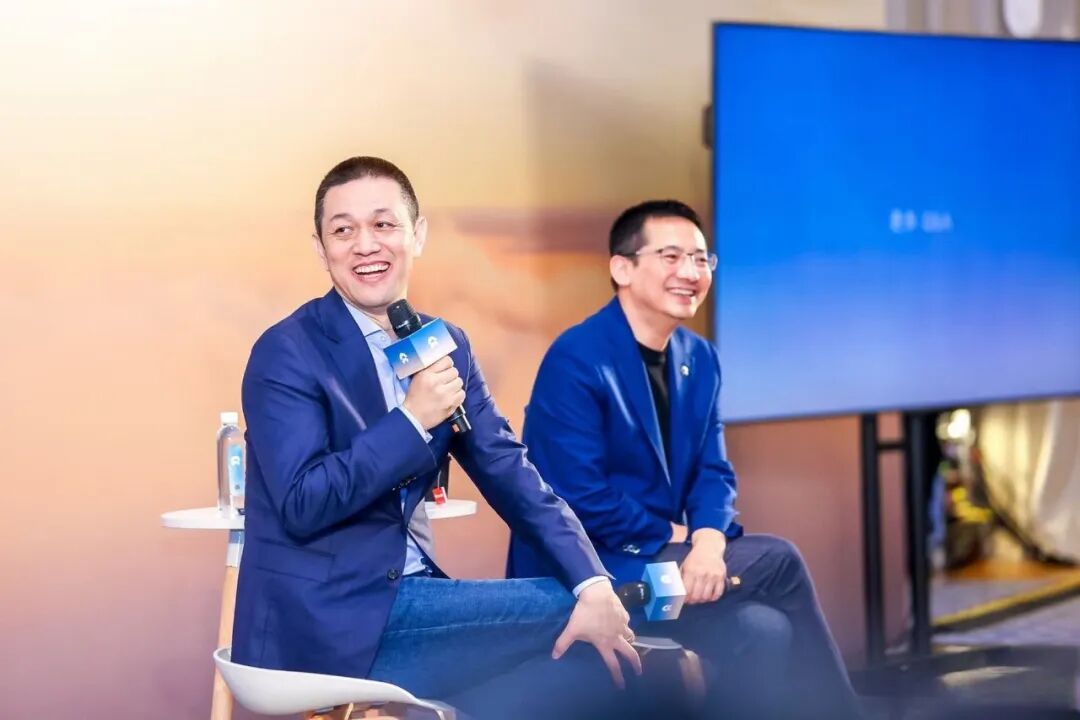
By late 2019, NIO teetered on collapse. Cash flow dried up, stock fell below $1, and Nasdaq threatened delisting. Media dubbed Li “2019’s most miserable man.”
Just as all seemed lost, Hefei’s government invested ¥7 billion. Rumors suggest Yin and Wang, industry veterans, recommended Li to Hefei, arguing, “NIO represents China’s high-end NEV potential; it can’t fail.” While unconfirmed, NIO survived.
In 2020, Wang unveiled BYD’s “Blade Battery,” solving lithium iron phosphate safety issues and nearly eliminating NEV spontaneous combustion. Yin praised BYD’s second-gen Blade Battery: “Well done; Wang is remarkable.”
Also in 2020, Yu debuted Huawei’s HarmonyOS cockpit, elevating automotive intelligence. Li declared, “Huawei’s tech is an industry benchmark; NIO seeks deep exchanges.”
Huawei, once distrusted, infiltrated the industry with Anhui’s encouragement.
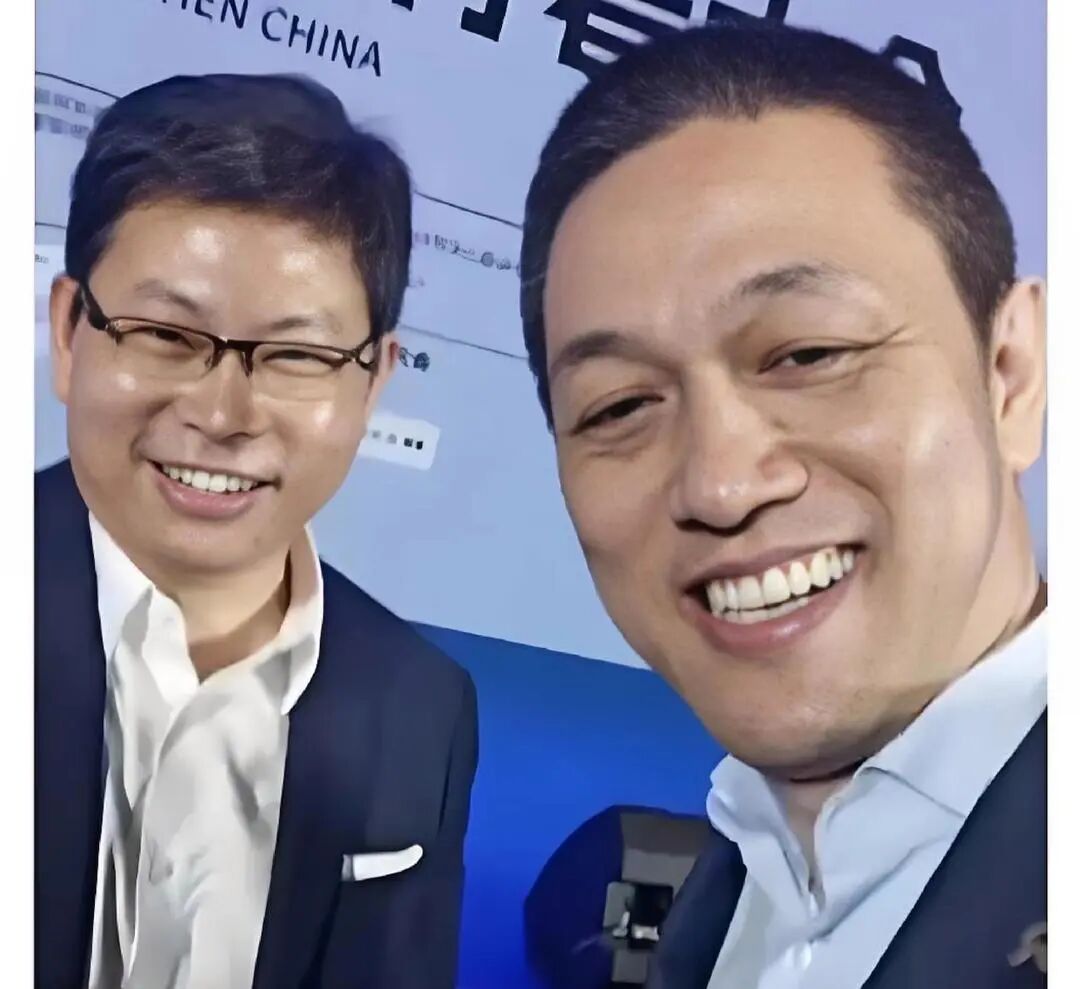
In 2022, plug-in hybrids exploded. BYD’s DM-i tech eliminated range anxiety, enabling “electric for short trips, gasoline for long” perfection. Yin’s Chery rapidly launched the Kunpeng DHT system, quintupling PHEV sales in a year. Yu extended Huawei’s tech to multiple automakers.
Through their technical paths, the four Anhui leaders simultaneously propelled NEV tech into the mainstream, crippling joint-venture internal combustion markets.
Over the years, numerous instances of 'Anhui tacit understanding' have become evident: several of BYD's supply chain enterprises are supporting manufacturers nurtured by Chery; NIO's battery swap network construction has garnered support from governments across Anhui Province. Meanwhile, Chery has adopted a dual-track strategy of 'self-developed standards + ecological cooperation' for battery swap technology, achieving partial interoperability with NIO's standards. Among the first batch of automakers to partner with Huawei's Qiankun Intelligent Driving were Chery and JAC.
They have never openly proclaimed, 'We are from Anhui, so we must unite,' yet these four automotive professionals from both sides of the Huai River share a common aspiration: to propel Chinese automobiles to the pinnacle of the global stage.
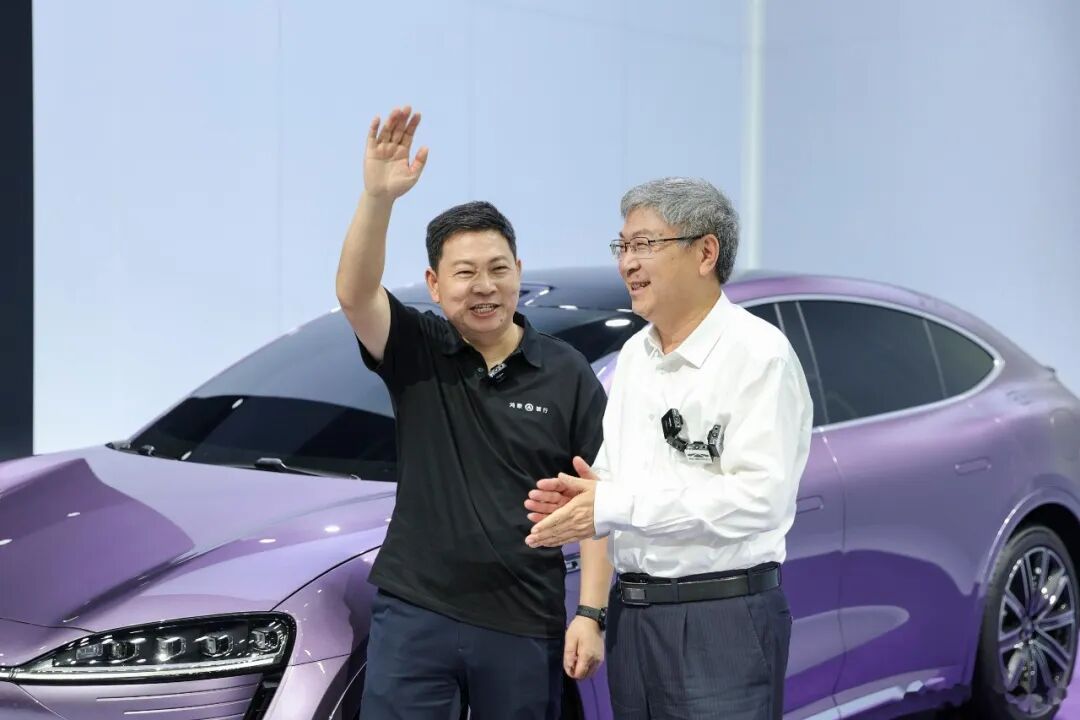
In 2023, China's automobile exports surpassed those of Japan for the first time, establishing it as the world's largest automobile exporter. The combined sales of four brands—BYD, Chery, NIO, and Seres—accounted for over 40% of the country's total new energy vehicle sales. These four individuals hailing from Anhui have dedicated two full decades to taking Chinese automobiles, once dismissed as 'doomed to fail' by foreign brands, to more than 180 countries and regions worldwide.
A New Battlefield
In 2025, China's automotive industry reached a historic turning point. The market share of fuel-powered vehicles dipped below 50%, while the penetration rate of new energy vehicles soared past 60%. The industry transitioned from incremental competition to a struggle for market share, with price wars engulfing the entire market. That year, Anhui's automobile production ranked first in the country, securing top positions in overall automobile output, new energy vehicle production, and automobile exports. The four individuals from Anhui now found themselves on a new battlefield.
Under the leadership of Wang Chuanfu, BYD achieved sales of over 4.27 million vehicles in 2024, becoming the world's best-selling automotive brand. His proposed new energy ecosystem of 'photovoltaic + energy storage + charging' is being rapidly implemented nationwide. Automobiles are no longer just a means of transportation but have evolved into mobile energy storage terminals, deeply integrated into the entire new energy power system.
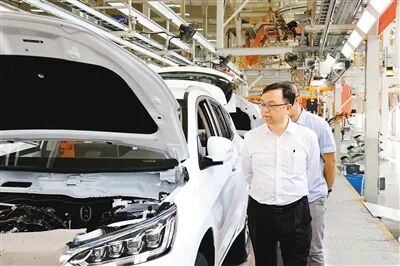
This native of Anhui, once ridiculed by the industry as an 'outsider in automobile manufacturing,' has now emerged as a bellwether for the global new energy vehicle industry.
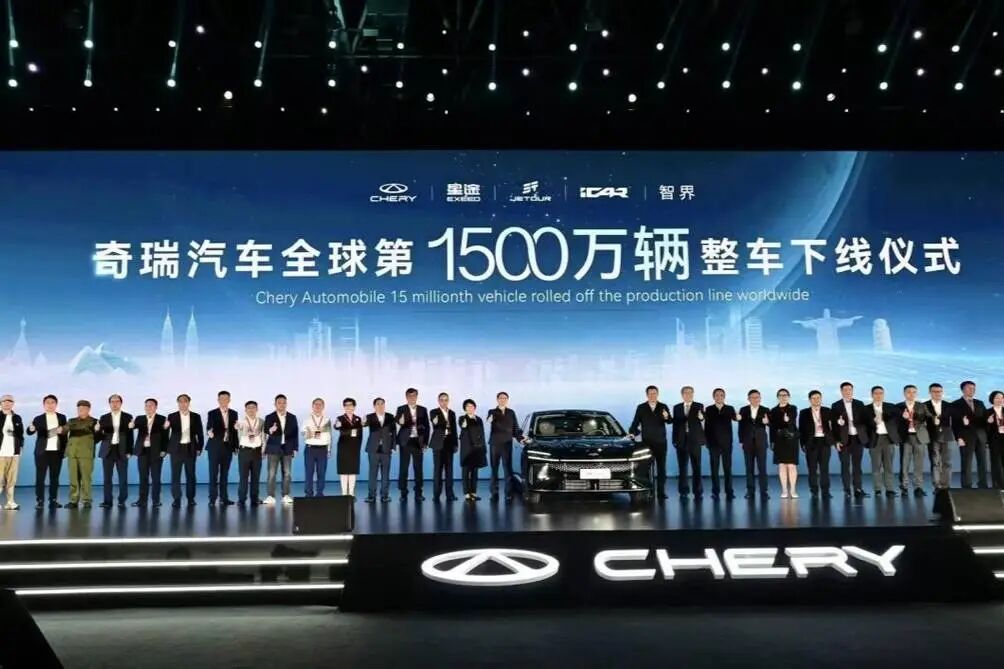
Chery's sales exceeded 2.6 million vehicles in 2024, with exports surpassing 1.14 million, ranking first among Chinese automakers for multiple consecutive years. This 'tech enthusiast,' who overcame countless technical challenges in the era of fuel-powered vehicles, is now leading Chery's rapid advancement in the intelligent vehicle sector. The Luxeed series, co-developed with Huawei, emerged as the biggest dark horse in the high-end new energy market in 2025.
Yin Tongyue's rallying cry of 'fighting for a place for Chinese automobiles' has resonated for over two decades and remains the most inspiring declaration in the industry today.
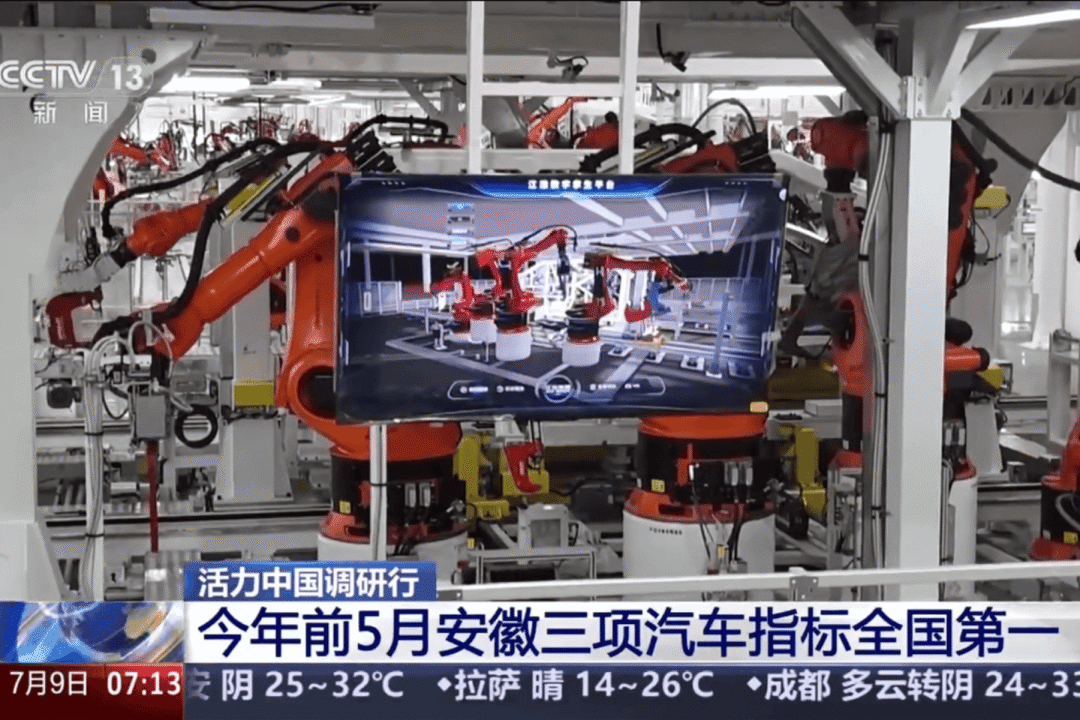
Under the leadership of Li Bin, NIO has emerged from its darkest hours, with cumulative deliveries exceeding 320,000 vehicles by 2025 and over 3,000 battery swap stations deployed nationwide, establishing the world's largest battery swap service network.
This native of Anqing, once questioned for 'only knowing services, not automobile manufacturing,' has now positioned NIO's premium brand in the price band above 700,000 yuan, breaking the monopoly maintained by foreign brands in the luxury automobile market. NIO's technology export model is being replicated in multiple countries worldwide, bringing China's premium automobile service philosophy to markets in Europe, the Middle East, and beyond.
Huawei's intelligent automotive business achieved total sales of over 1.2 million cooperative models in 2025, with over 30 models equipped with its Qiankun Intelligent Driving system, becoming the world's most widely installed advanced intelligent driving system.
Yu Chengdong, hailing from Lu'an, Anhui, leveraged three decades of technological accumulation from the telecommunications industry to completely rewrite the rules of intelligence in the automotive sector, turning 'software-defined vehicles' from a slogan into an industry-wide reality. Nearly all Chinese automakers now use Huawei's intelligent automotive technologies to varying degrees, making Huawei the most solid technological backbone behind China's automotive industry's intelligent transformation.
As time and space intertwine, we witness a remarkable scene: two decades ago, these four individuals from Anhui were working separately in a battery factory, a traditional automaker, a telecommunications company, and an internet media outlet—none could have imagined they would one day converge in the automotive sector. Two decades later, the brands led by these four individuals have achieved combined annual sales exceeding 6 million vehicles, accounting for a quarter of China's total automobile sales, truly propping up half of China's automotive market.
They still compete with one another, choose different technological paths, and express differing viewpoints in public, but all their competition is directed toward the same goal.
In 2024, Wang Chuanfu, Yin Tongyue, and Li Bin stood together on a rare occasion, with the next generation of Chinese automotive entrepreneurs seated below. Li Bin asked Wang Chuanfu, 'Can you briefly share your vision for when Anhui can achieve its goal of doubling automobile production?'
Wang Chuanfu stated that BYD would increase its investment in Anhui to elevate the province's automotive industry to new heights. Yin Tongyue joked that the goal of doubling Anhui's automobile production largely depended on Wang Chuanfu—if he relocated some production capacity back, Anhui's output would rise significantly. If production were to double, they aimed to achieve it within three years.
After the event, they gazed at rows of newly manufactured vehicles slowly exiting the factory, their headlights forming a river of light extending from Anhui across the nation and toward the world.
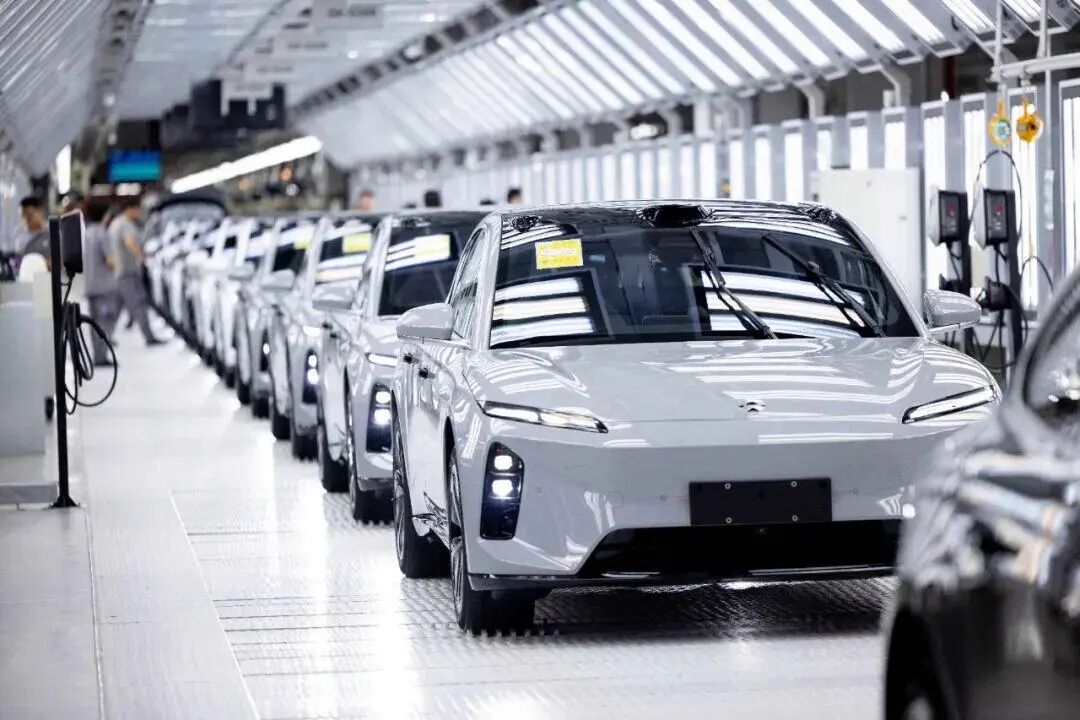
No one knows where China's automotive industry will be in the next two decades, but everyone knows that these four men from Anhui, along with the tens of thousands of Chinese automotive professionals behind them, have turned the impossible into reality.
They have spent two decades transforming China's automobiles from followers in the fuel-powered era to leaders in the intelligent electric era, and this story has only just reached its most thrilling chapter.
Note: Some images are sourced from the internet. If there is any infringement, please contact us for removal.
-END-
-
![]()
A16Z's Latest Insight: 80% of Tokens Are Idle; Managing AI Is the Next Trillion-Dollar Opportunity
-
![]()
Average Pricing Rivals Apple and Samsung: realme’s Pause in China Fuels OPPO’s Strategic Advance
-
![]()
Casarte Holds the Fort, COLMO Catches Up, Samsung Exits: Who Will Have the Last Laugh?
-
![]()
Striving to Lead in New Energy: Anhui's Challenge to Overcome the 'Hefei vs. Wuhu' Rivalry
-
![]()
Four Anhui Pioneers: Two Decades Shaping China’s Auto Industry
-
![]()
Important to Observe: BYD Surges 20% Against Market Trend in July, Will It Reclaim the 1 Trillion Yuan Mark or Soar Even Higher?
-
![]()
Autonomous Driving Enters the Second Half: ByteDance Enters the Field, NVIDIA Restructures, and the First IPO Emerges
-
![]()
Service Takes Center Stage: A 2026 Mid-Year Analysis of BBA Reputation Index