Used Cars Step into the Limelight Alongside New Cars: What Does This Trend Indicate?
 07/27 2026
 368
368
Lead | Introduction
The rising prominence of used car sales, nearing those of new cars, is no mere coincidence; it reflects a broader shift in China's automotive market towards a mature, stock-based era. As consumer demands and industry competition evolve, used cars are transitioning from a peripheral role to a central position, mirroring the significance of new cars.
Published by | This article is produced by | Heyan Yueche Studio
Written by | Article Author | Zhang Chi
Edited by | Editor | He Zi
Full text: 2,189 characters
Reading time: 4 minutes
A set of data has sparked discussions across the automotive industry. The used car market, traditionally seen as a sidekick to the new car market, is now at a pivotal juncture.
According to data from the China Automobile Dealers Association, in the first five months of 2026, domestic retail sales of new cars reached 8.148 million units, marking a 20% decrease year-on-year. In contrast, used car transactions surged to 8.095 million units, a 2.3% increase year-on-year, inching closer to new car sales. Notably, transactions of used new energy vehicles soared by 25.7% year-on-year, becoming the market's fastest-growing segment. The robust growth of the used car market not only underpins automotive consumption but also signals a clear shift: China's automotive market is rapidly transitioning from incremental to stock competition.

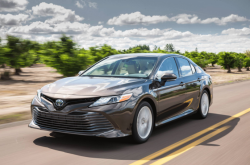
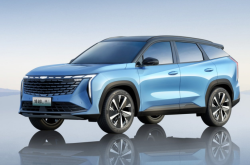
△ The used car market, traditionally overshadowed by the new car market, is now experiencing a historic transformation.
Why Are Used Car Sales Skyrocketing?
The surge in used car transactions, while seemingly surprising, is an inevitable consequence of China's automotive market entering a mature phase.
The domestic automotive market is shifting from first-time purchases to trade-ins and upgrades. By early 2026, the national car ownership had exceeded 360 million vehicles. As more car owners upgrade, a flood of used cars enters the market. In the first five months of this year, transactions of used cars aged three years or less accounted for 30%, a 3.1 percentage point increase year-on-year, while those aged three to six years made up over 40%. An increasing number of well-maintained, high-configuration near-new cars are enriching consumer choices and diverting some demand for new cars due to their superior cost-performance ratio.

△ The domestic automotive market is transitioning from first-time purchases to trade-ins and upgrades.
Meanwhile, the continuous decline in new car prices has also led to a drop in used car prices. For consumers, this means purchasing higher-quality models at a lower cost. Compared to new cars that depreciate immediately upon purchase, used cars in good condition offer a more attractive overall cost-performance ratio due to their lower prices and limited depreciation space.
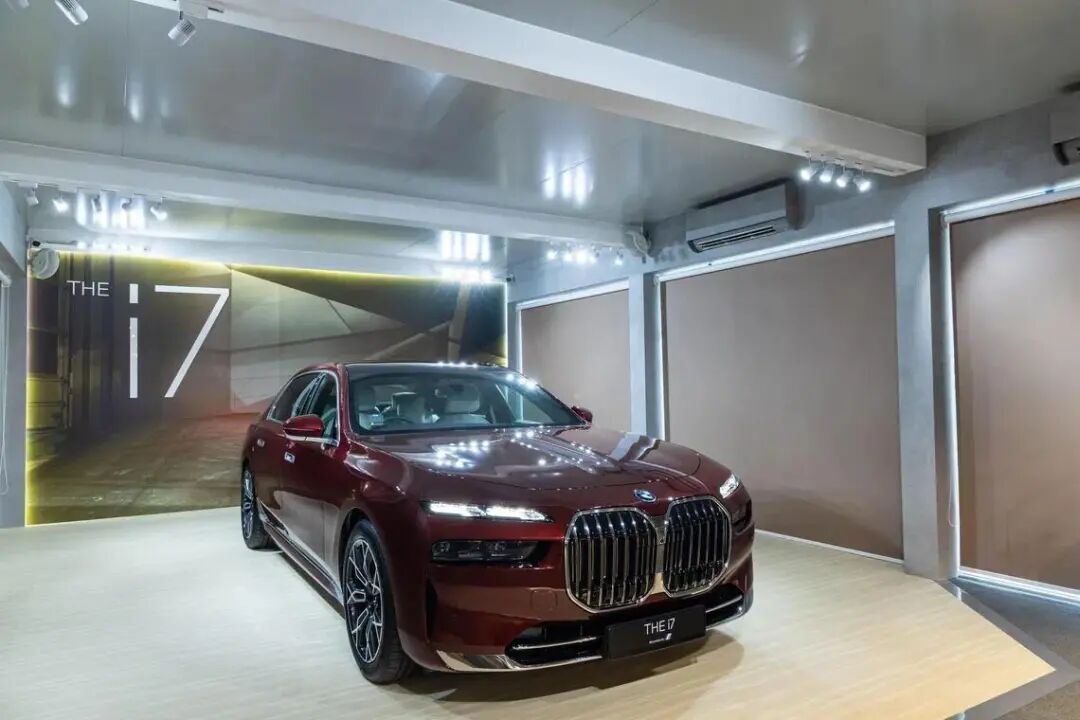
△ The ongoing price war for new cars is driving down used car prices as well.
Furthermore, tax policies have amplified the price advantages of used cars. As purchase tax incentives for new energy vehicles phase out, the cost of some new energy new cars has risen, while used car transactions do not require repeated payment of purchase tax. Additionally, the price of a used car of the same model after one to two years of use is typically tens of thousands of yuan lower than that of a new car. The combined effect of tax advantages and vehicle depreciation has widened the cost gap between new and used cars, attracting more consumers to the used car market.
Is the Used Car Industry Flourishing?
The significant growth in used car transactions does not necessarily indicate a thriving used car industry. On the contrary, amidst falling prices, prolonged inventory cycles, and intensifying competition, many used car dealers are facing increased operational pressures.
Firstly, the growth in transaction volume has not translated into profit growth. Data from the China Automobile Dealers Association shows that in the first quarter of 2026, nationwide used car transactions reached 4.822 million units, but the average transaction price dropped from approximately 65,800 yuan to 64,900 yuan. Meanwhile, the average inventory cycle for used cars has extended to 52 days, a 12-day increase year-on-year, with mid-to-high-end used cars priced over 200,000 yuan having an inventory cycle of up to 58 days. The prolonged accumulation of unpopular models not only faces continuous depreciation but also occupies significant space and capital costs, further squeezing dealers' profit margins.
Secondly, the booming transactions of new energy used cars have not reversed the trend of declining residual values. Data shows that the three-year residual value rate of pure electric vehicles has dropped from 54.7% in 2023 to 45.2% in the first half of 2026, while that of fuel vehicles has declined from 67.6% in 2022 to 52.7%. This is attributed to the faster technological iteration of new energy vehicles compared to traditional fuel vehicles. Models that were leading in configuration and performance just two or three years ago may now be surpassed by new models with longer range, higher-level intelligent driving capabilities, and faster charging technologies, leading to a quicker revaluation of their market worth.
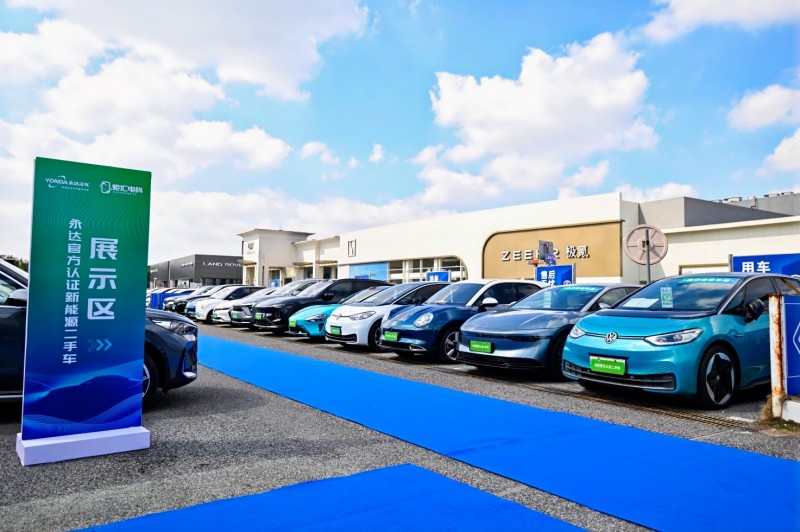
△ Despite the booming transactions, the residual value rate of new energy used cars continues to decline.
Thirdly, competition in the industry is accelerating towards concentration among leading players, squeezing the survival space of small and medium-sized dealers. As automakers increasingly venture into official certified used car businesses, large chain used car enterprises continue to expand their direct sales networks, and internet platforms strengthen their traffic advantages, consumers are increasingly inclined to choose transaction channels that offer branding, standardization, and better after-sales support. In contrast, small and medium-sized dealers are at a disadvantage in terms of financial strength, sourcing, inspection and certification, financial insurance, and after-sales services, facing mounting competitive pressures.
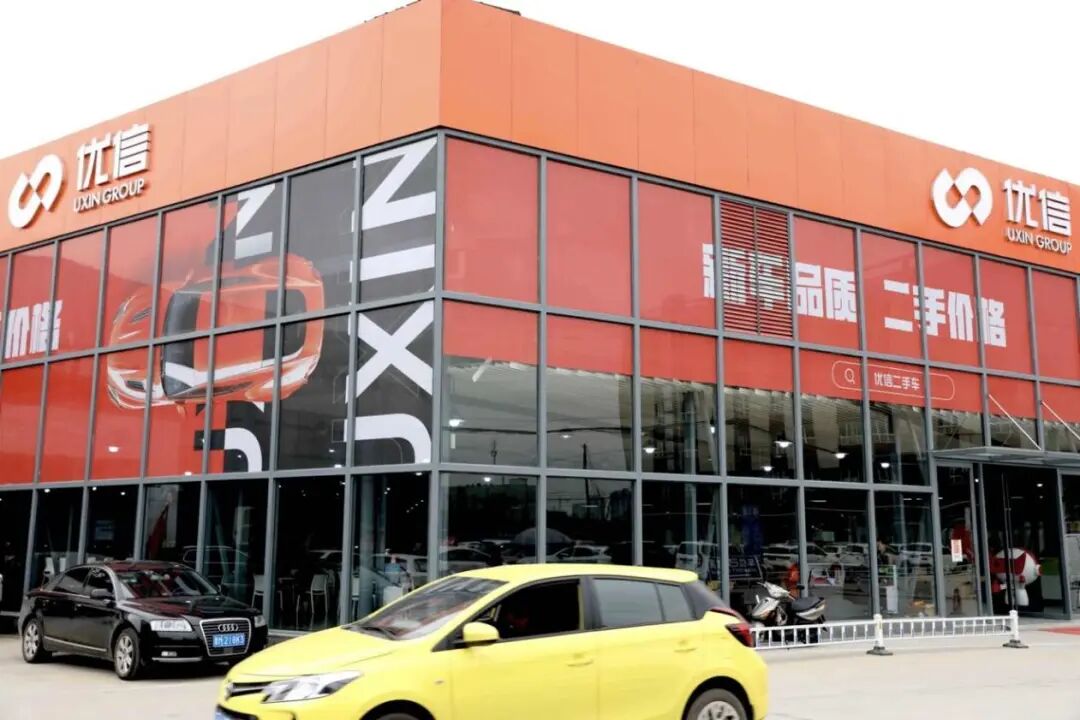
△ The Matthew effect is prominent in the used car industry, squeezing the survival space of small and medium-sized dealers.
Urgent Need for Business Philosophy Transformation
For the automotive industry, still embroiled in price wars and facing sustained profit pressures, the resilient growth of the used car market warrants a reevaluation by automakers and dealers.
Data from the China Automobile Dealers Association shows that the contribution of new car sales to gross profit has dropped from 19.7% in 2022 to -22.3% in 2025, indicating that the era of profiting solely from new car sales is ending. Against the backdrop of unimproved supply-demand dynamics and the need for further capacity reduction, new car sales are increasingly resembling a "lead generation business," with after-sales services such as maintenance, used cars, automotive finance, and insurance becoming important profit sources. In particular, used cars are no longer just competitors to new car sales but have become an integral part of the automotive consumption ecosystem. A single used car transaction can generate multiple revenue streams from appraisal, preparation, finance, insurance, and resale, while also prompting owners to upgrade to new cars, forming a closed business loop of "vehicle acquisition-sales-upgrade." In this sense, used cars not only do not squeeze the new car market but are key links in promoting new car sales and enhancing customer loyalty.

△ When managed properly, used cars not only do not squeeze the new car market but promote new car sales.
Therefore, both dealers and automakers should adapt to this trend and increase their investment in the used car business. In the past, used car trade-ins were merely a complement to new car sales; now, they have become a crucial driver for boosting new car sales and improving operational quality. Whether it's enhancing inspection and certification capabilities, improving three-electric system warranties, or offering more attractive trade-in subsidies, the essence is to lower the threshold for consumers to upgrade their vehicles and accelerate vehicle turnover efficiency. In recent years, many automakers have begun to make early strategic layouts.
Commentary
-
![]()
What Occurs When You "Slice a Photon in Two"? Norwegian Physicists Reveal: It Unleashes a Spectrum of Colors
-
![]()
In-depth: Why Has the 'King of Glasses' Fallen Out of Favor After a Plunge in Stock Price and a Vaporization of 600 Billion Yuan Following the Explosive Sales of AI Glasses?
-
![]()
Used Cars Step into the Limelight Alongside New Cars: What Does This Trend Indicate?
-
![]()
After 20 Million Vehicles, How Can Chery Conquer the 'Brand Value' Challenge?
-
![]()
Xiaomi Pengcheng Set to Unveil Two New Models at Launch Event!
-
![]()
Can Beijing Hyundai Make a Comeback?
-
![]()
Still Thrivings: Top Fuel-Powered Cars with Over 10,000 Sales in June
-
![]()
Surprise! 17 Fuel-Powered Vehicles Surpass 10,000 Units in Sales for June