After 20 Million Vehicles, How Can Chery Conquer the 'Brand Value' Challenge?
 07/27 2026
 538
538
Introduction | Lead
At the milestone of 20 million vehicles produced, what should Chery be contemplating? How can a 29-year-old Chinese automotive brand genuinely exude the confidence and poise needed to hold its own against century-old global counterparts?
This article is produced by Heyan Yueche Studio.
Written by Qian Lei.
Edited by Hezi.
Full text: 2,547 characters.
Reading time: 4 minutes.
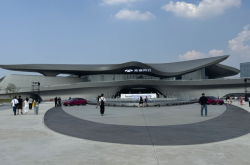
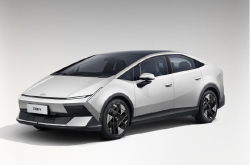
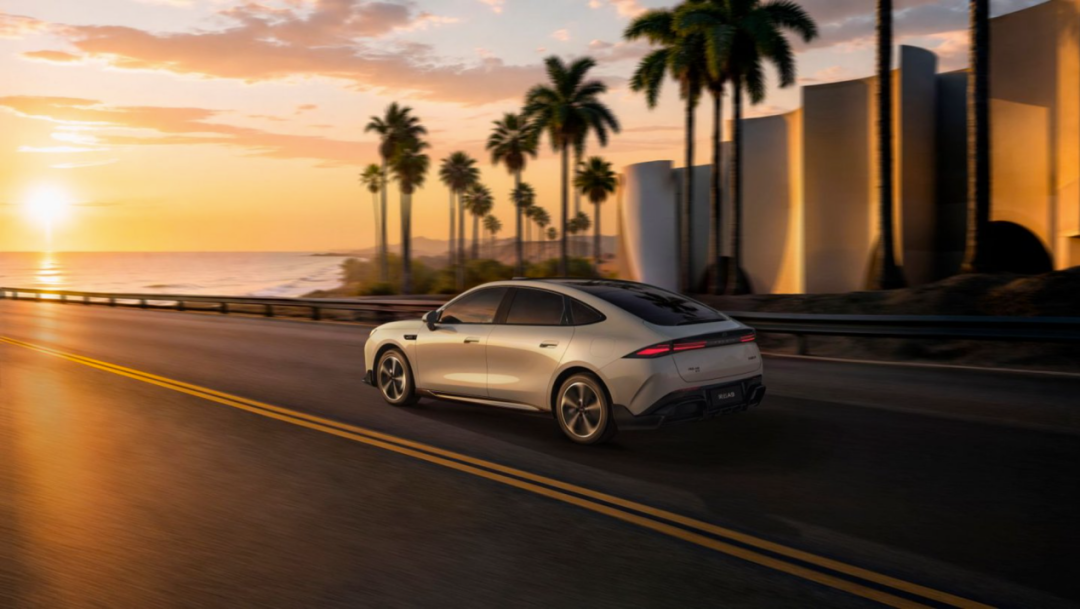
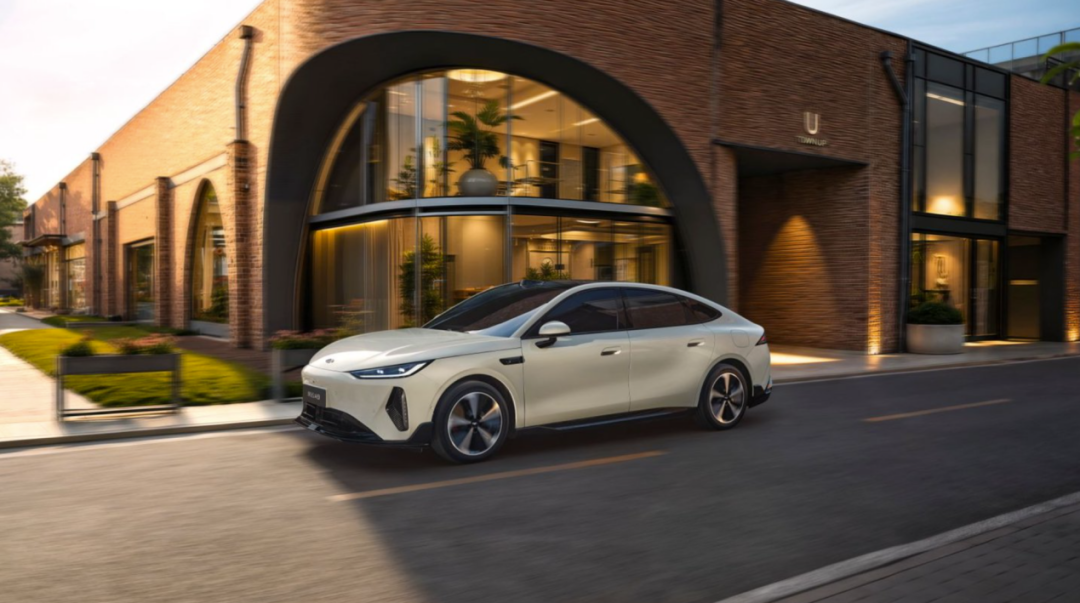
On July 25th, in Chengdu, a launch event centered around a 'long-range, intelligent, stylish, all-electric coupe' brought the Fengyun A9 into the limelight at the Chengdu Science Fiction Museum. The new vehicle was introduced in three trim levels: the 655km Pro, 655km Max, and 655km Max with LiDAR. The official guide prices range from RMB 109,900 to RMB 129,900. With limited-time trade-in subsidies, the purchase prices are reduced to just RMB 106,900 to RMB 126,900. This marks an overall price drop of approximately RMB 6,000 compared to the previous pre-sale range of RMB 115,900 to RMB 135,900.
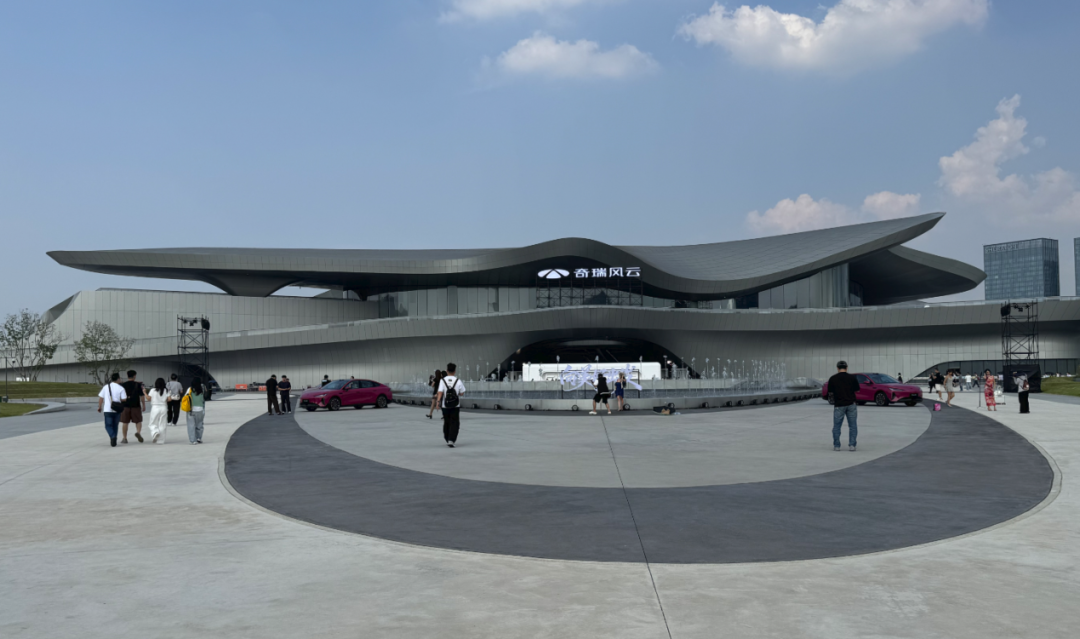
If pricing reflects Chery's commitment to bringing the Fengyun A9 to market, then the vehicle's definition by Yin Tongyue, Chairman of Chery Group, adds even more significance to the launch. Rather than focusing on specifications and configurations, he made a profound statement: the Fengyun A9 is Chery's 20 millionth vehicle produced. This launch is not just about a new car; it represents the first major outcome following a comprehensive upgrade of Chery's entire product and quality systems.
20 Million Vehicles: A Milestone and a Turning Point
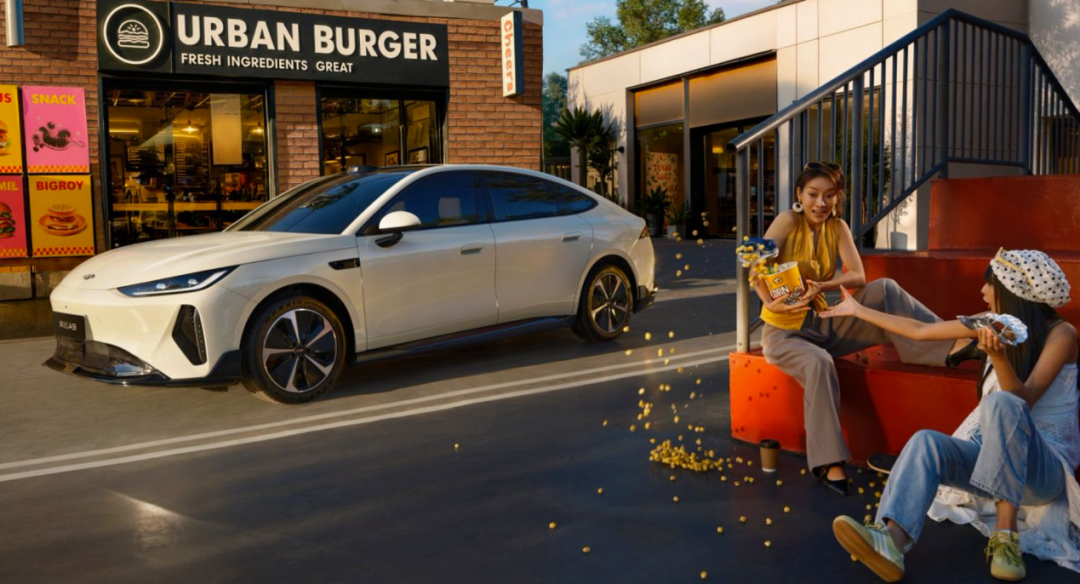
Since pre-sales began on July 9th, the Fengyun A9 has amassed over 37,819 orders in just 15 days, with 70% of buyers under 35 years old and 40% being female users. These figures are noteworthy as they highlight the appeal of a 'long-range, intelligent, stylish, all-electric coupe' to younger generations and female consumers, indicating that Chery is successfully reaching demographics that traditional fuel-powered performance vehicles often overlook. This is precisely why Yin Tongyue refers to the Fengyun A9 as the '20 millionth vehicle'—it is not a car designed for everyone, but one that encourages more newcomers to embrace the Chery brand.
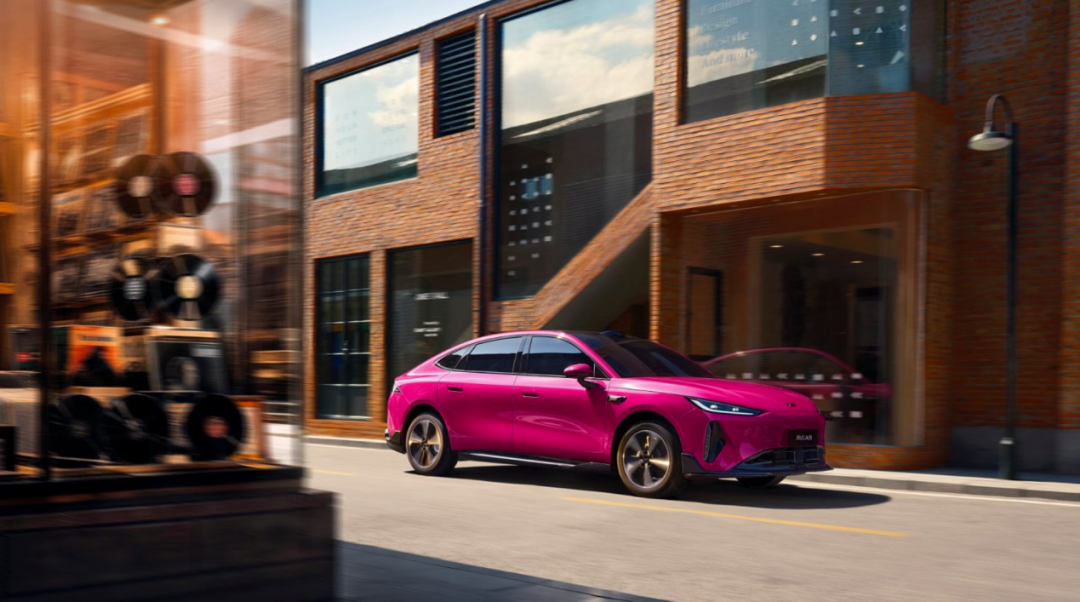
Twenty million vehicles are not just a number; they are a mirror reflecting Chery's 29-year journey and the transformation of China's automotive industry from a follower to a leader. The Fengyun A9 is designated as the '20 millionth vehicle' because it signifies not only the continuation of sales scale but also a systemic leap in Chery's capabilities—from R&D to manufacturing, quality control to delivery, every aspect has been reexamined and redefined.
For any automaker, reaching 20 million vehicles is a figure worthy of annual records; for Chery, it serves as a clear dividing line between past and future, technology and brand, China and the world.
Twenty-nine years ago, Chery embarked on its journey in a modest grass-roofed workshop on the outskirts of Wuhu, driven by the determination to 'build engines even if it means selling everything.' Today, it ranks 233rd on the Fortune Global 500 list, with 2025 annual sales reaching 2.806 million units, revenue surpassing RMB 300 billion, and an industrial footprint extending from vehicle manufacturing to core components and intelligent robots. Its technological portfolio boasts over 400 advanced technologies. After 29 years of accumulation, Chery confidently answers the question, 'Can we build good cars?'—with a resounding yes.
However, after 20 million vehicles, the question has evolved. It is no longer about 'Can we build a good car?' but 'Is the brand worth loving?' It is no longer about 'Is the technology strong?' but 'Is the brand recognized?'
Crossing the Invisible Threshold: From Technological Confidence to Brand Recognition
Chery does not lack technological confidence. The Kunpeng Tianqing engine set a global production record with 48.57% thermal efficiency. The Rhino Battery, Falcon Intelligent Driving Model, and Lingxi Smart Cockpit 2.0 cover a technological spectrum spanning 'land, sea, and air.' In 2025, R&D investment reached RMB 14.715 billion, a 39.6% year-on-year increase, with cumulative patent applications exceeding 29,000. Chery also operates over 300 Yaoguang Laboratories tackling more than 500 major projects, supported by a global R&D team of 30,000 and over 50,000 'external' academicians, engineers, and scientists.
The Fengyun A9 comes standard with a 70kWh Rhino E pure electric battery, offering a CLTC range of 655km even in its base trim. Moreover, the battery safety of the Fengyun A9 is based on long-term investment in 'factory-brand' batteries and a vehicle-forward development logic, achieving deep synergy between the Rhino Battery and the vehicle.
Yet, in terms of brand value, Chery is still on the ascent. The most intuitive reference is Exeed—positioned by Yin Tongyue as the 'apex' of Chery Group's brand pyramid. In the first half of 2026, Exeed's cumulative sales reached only 33,188 units, a 44.9% year-on-year decline. Meanwhile, Chery Group sold 1.3575 million vehicles in total during the same period, a 7.7% year-on-year increase, marking a historic high. This data suggests that Chery's path to brand elevation still has a considerable distance to go.
This is not a sales issue but a perception issue. Technology can be quantified, but a brand represents a consensus—the premium consumers are willing to pay for a name, the trust the market places in an identity. Chery's technological prowess has made it 'known,' but bridging the gap to 'being recognized' and 'being desired' requires crossing an intangible cognitive divide.

Having 'technology' does not equate to 'establishing a brand.' This is a cognitive leap. Moving from 'Chery builds good cars' to 'Chery is a charismatic automotive brand' involves crossing not technological parameters but an invisible threshold in consumers' minds. Establishing a brand is not about stacking sales figures but redefining the brand's identity in consumers' perceptions.
Brand Value: Chery's True Test
After 20 million vehicles, Chery must answer a more fundamental question: Who is Chery? For the past 29 years, the answer has been clear—'China's leading automaker,' known for solid technology, strong exports, and cost-effectiveness. However, after 20 million vehicles, this answer needs upgrading. Yin Tongyue points toward a 'global high-tech ecosystem group,' but brand building relies not on definitions but on perception—what consumers perceive the brand to be matters far more than what the company claims.
From technological confidence to brand confidence, Chery needs not just a capability leap but a cognitive leap. Technology can prove 'I can,' but only a brand can answer 'Who am I.' Collaborating with Huawei represents a significant cognitive restructuring for Chery—not just technological input but a systemic reshaping of management culture and brand thinking, potentially serving as a benchmark for traditional automakers' transformation.
Additionally, Chery currently has nearly 7 million overseas users, with overseas revenue accounting for 52.4% in 2025. European market sales surged by over 212% in the first half of the year. However, 'selling abroad' does not equate to 'integrating locally.' The essence of 'In somewhere, For somewhere, Be somewhere' lies in shifting from product exports to ecological roots—when Chery pledged to retain all employees in South Africa and created nearly 3,000 jobs, the brand transformed from a 'Chinese product' to a 'local partner.' These efforts require even stronger support from brand value.
Next year, Chery will celebrate its 30th anniversary. At 30, Chery is transitioning from scale expansion to a dual-wheel drive of quality and branding, with strategic focus on premiumization, globalization, and technological independence. Evolving from a vehicle manufacturer to a technology ecosystem builder grounded in technology, its gaze no longer rests on the next model but on the next generation of mobility, energy forms, and undefined technological frontiers.
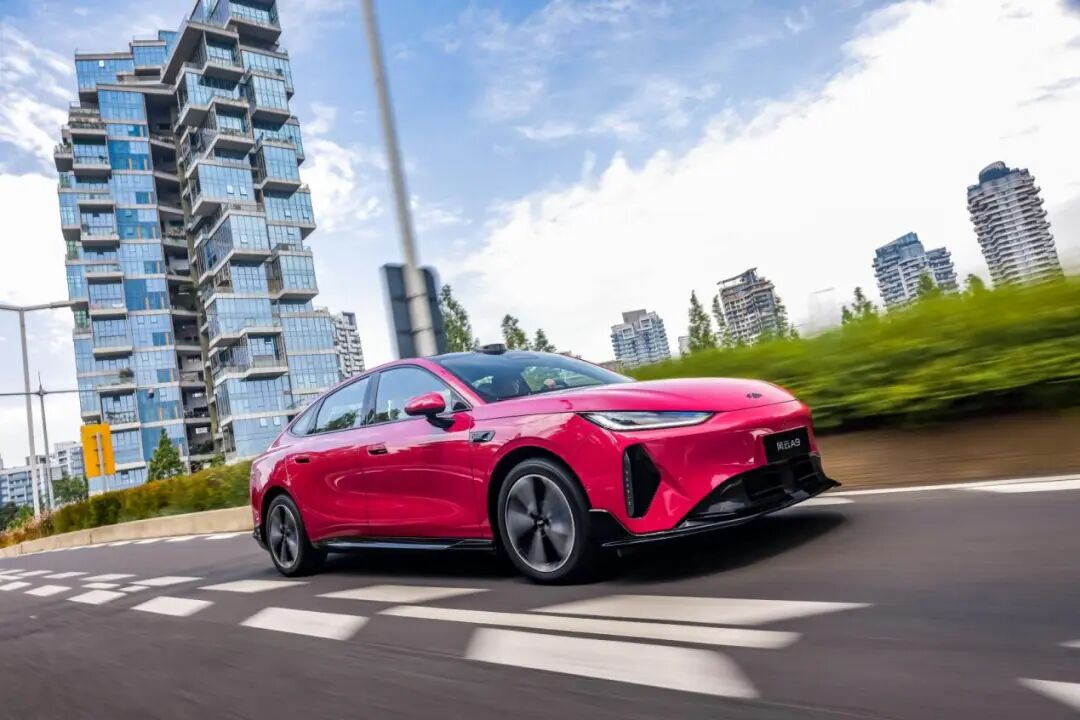
Most importantly, Chery must break through the transformation from 'following' to 'defining' in the new energy era. In 2025, Chery's new energy vehicle sales grew by 54.9% year-on-year. However, competition in the new energy sector is no longer about 'having it' but 'why choose you.' As the 20 millionth vehicle, the Fengyun A9 is defined as a masterpiece representing Chery's comprehensive upgrade in product and quality systems. Yin Tongyue stated that the Fengyun A9 'embodies Chery's journey 'toward a better future.'' Yet, 'moving toward a better future' requires consumers to vote with their wallets. Chery's challenge in the new energy domain is not technology but convincing consumers to place it on their list of 'brands worth considering.'
Commentary
The Fengyun A9 represents Chery's answer to 'quality,' but it is not the final answer. Where is the ultimate answer? It lies in the delivery of the next 20 million vehicles, in the global users' cognitive shift from 'knowing Chery' to 'identifying with Chery,' and in the pride every driver feels when saying, 'I drive a Chery.' After 20 million vehicles, Chery's journey has just entered its most brand-defining phase.
(This article is original to Heyan Yueche and may not be reproduced without authorization.)
-
![]()
What Occurs When You "Slice a Photon in Two"? Norwegian Physicists Reveal: It Unleashes a Spectrum of Colors
-
![]()
In-depth: Why Has the 'King of Glasses' Fallen Out of Favor After a Plunge in Stock Price and a Vaporization of 600 Billion Yuan Following the Explosive Sales of AI Glasses?
-
![]()
Used Cars Step into the Limelight Alongside New Cars: What Does This Trend Indicate?
-
![]()
After 20 Million Vehicles, How Can Chery Conquer the 'Brand Value' Challenge?
-
![]()
Xiaomi Pengcheng Set to Unveil Two New Models at Launch Event!
-
![]()
Can Beijing Hyundai Make a Comeback?
-
![]()
Still Thrivings: Top Fuel-Powered Cars with Over 10,000 Sales in June
-
![]()
Surprise! 17 Fuel-Powered Vehicles Surpass 10,000 Units in Sales for June