Two Key Chinese Shareholders Involved, Mercedes-Benz Faces Potential U.S. Sales Ban! CEO Issues Urgent Statement: Committed to Adjustments to Safeguard U.S. Market Presence
 07/29 2026
 571
571
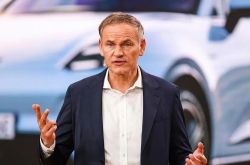
Kuaikeji, July 29 - As reported by Reuters, Ola Kaellenius, the CEO of Mercedes-Benz, publicly declared on Tuesday that the company is prepared to take all necessary measures to safeguard its business operations and market standing in the United States, in light of a potential sales ban stemming from issues related to its Chinese shareholders.
The controversy was sparked by the recent passage of new legislation by the U.S. Senate Commerce Committee, which aims to further restrict the entry of Chinese automakers into the U.S. market.
According to the proposed bill, any car manufacturer selling vehicles in the U.S. will be barred from the market if Chinese entities own more than a 15% stake in the company.
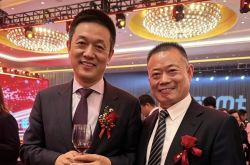
Notably, Mercedes-Benz's top two shareholders, BAIC Group and Geely Automobile (through entities controlled by Li Shufu), collectively hold close to 20% of Mercedes-Benz's publicly traded shares, significantly surpassing the stipulated threshold.
This implies that if the bill is enacted, Mercedes-Benz risks being excluded from the U.S. market, which remains one of its few core markets still experiencing growth.
During the company's second-quarter earnings briefing, Kaellenius emphasized, "Should we need to make adjustments to comply with any regulations, we will ensure the protection of our business interests and market position in the United States."
He also recognized the company's awareness of "the geopolitical landscape and the competitive dynamics between the U.S. and China," adding that Mercedes-Benz is closely following policy discussions in the United States and is actively engaged in negotiations with relevant stakeholders.
Indeed, Mercedes-Benz has compelling reasons to maintain its foothold in the U.S. market. In the first half of this year, the company's U.S. sales surged by 15% year-on-year, partially compensating for the significant downturn in its Chinese market sales.
Independent automotive analyst Matthias Schmidt candidly remarked, "Producing locally in the United States is akin to having a money-printing license." In contrast to electric vehicles, which are under pressure due to slim profit margins, the robust demand for fuel-powered vehicles in the U.S. market has yielded higher profit margins for Mercedes-Benz.
To underscore its commitment, Mercedes-Benz has pledged to invest over $7 billion in its U.S. operations, including a $4 billion investment by 2030 to enhance SUV production capacity at its Alabama facility.
Kaellenius also hinted at the possibility of adding engine production lines in the United States, contingent upon the outcome of negotiations regarding the reform of the North American trade agreement, which may impose stricter requirements for the "U.S. domestic content" of vehicles.
-
![]()
"Meituan Retreats into the Background of AI", "Meituan, AI, API, local services, business strategy", "Meituan has announced a partnership with Tencent Yuanbao, enabling users to place takeout orders t
-
![]()
The New King of A-shares, Are You Ready to Work for Auto Companies?
-
![]()
Battery Makers Outshine Car Manufacturers
-
![]()
What! Are New Energy Vehicles Impacting the Summer Tourism Industry?
-
![]()
Overnight Paper Gain of 1 Trillion Yuan: Hefei's 18-Year Gambit——【The Hefei Model: Uncopyable】Series
-
![]()
A 'Play' by Blume and Volkswagen's Grand Strategy
-
![]()
“Stock King” Changxin Propels Hefei into the Elite “Beijing-Shanghai-Shenzhen-Hefei” League, Securing Fourth Place!
-
![]()
Final Verdict: Strategies to Counter the Trend of Oversized and Overweight New Energy Vehicles