Is the Intelligent Driving Blue Light, a Source of Pride for Lixiang and AITO Owners, Facing a Ban?
 07/30 2026
 338
338
Those who closely follow developments in new energy vehicles, particularly in the realm of intelligent driving, are undoubtedly familiar with the intelligent driving blue light.
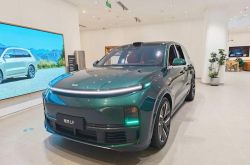
This distinctive light made its debut on Lixiang's L9 model in 2022 and was subsequently embraced by other automakers, eventually becoming a ubiquitous feature across many brands.
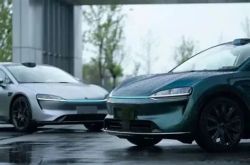
To be candid, among the automakers currently operating on the roads, Lixiang and AITO stand out as the primary brands that consistently keep the blue light illuminated, transforming it into a visually striking element.
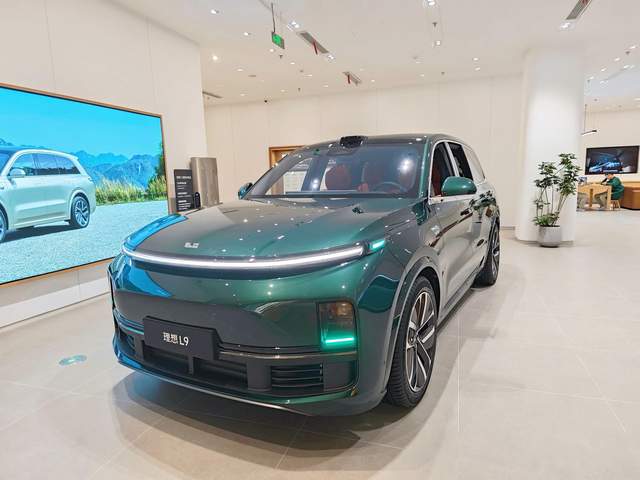
Numerous automakers take great pride in their vehicles' ability to display the blue light, as it serves as a symbol of advanced intelligent driving capabilities. After all, vehicles with lower levels of intelligent driving rarely feature the blue light in a constant state of illumination.
This is precisely why AITO and Lixiang owners frequently flaunt the blue light. Indeed, Lixiang and AITO vehicles boast the most numerous and conspicuous blue lights on the roads, to the extent that the blue light has nearly become a 'signature feature' of their intelligent driving systems.
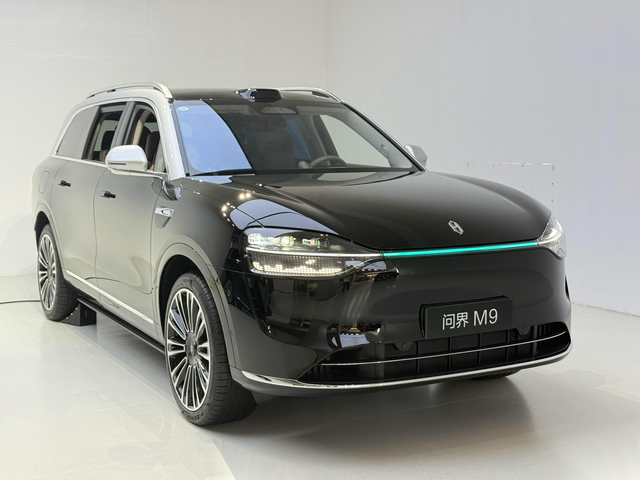
However, recent reports suggest that this small blue light may face a ban due to non-compliance with national standards.
So, is this impending ban a reality? According to media sources, the primary reason is the blue light's failure to meet the requirements outlined in GB4785. Upon delving into GB4785, several key points emerge.
The full title of the GB 4785 document is 'Installation Requirements for External Lighting and Light Signalling Devices of Motor Vehicles and Their Trailers'.
This standard explicitly defines the names and colors of various vehicle lights. In total, there are 26 types of lights, with only four colors deemed compliant: white, yellow, red, and amber. Notably, blue is not included in this list.
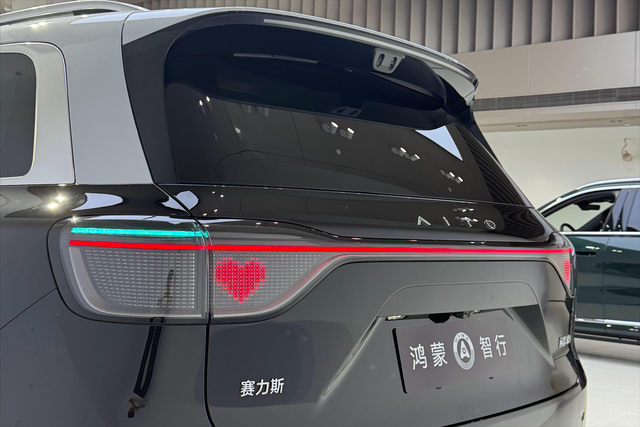
GB4785 represents a mandatory national standard, meaning that the small blue light indeed falls short of meeting the national standard requirements. Both its name and color are non-compliant, making a ban on its use a reasonable consideration.
Nevertheless, since authoritative institutions have yet to officially issue a document banning the small blue light, its impending ban remains speculative. However, given its non-compliance, such a ban seems highly plausible.
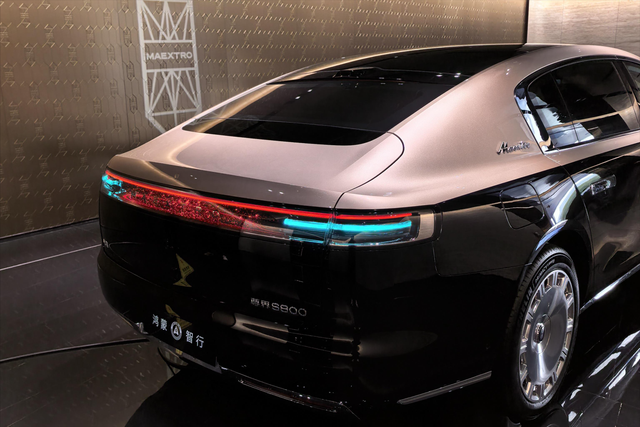
Some speculate that this potential ban may be paving the way for the advent of L3 autonomous driving. It is widely acknowledged that all vehicles currently legally permitted on the roads are classified as L2, which denotes assisted driving.
Only L3 can be truly classified as conditional autonomous driving. The use of the small blue light on current L2 vehicles has, to some extent, blurred the distinction between L2 and L3, prompting a desire to regulate the blue light.
Regardless of the underlying motives, it is anticipated that future regulations will address intelligent driving indicator lights, establishing a standard for automakers to adhere to. What are your thoughts on this matter?
-
33,473 X9 Vehicles Recalled: Xpeng's Three Major Challenges
-
![]()
Initiation of Control over Access for Intelligent Driving's 'Little Blue Lights'
-
![]()
Is the Intelligent Driving Blue Light, a Source of Pride for Lixiang and AITO Owners, Facing a Ban?
-
![]()
Embarrassing Meta: Promises Made, Money Invested, but No 'Fruits' Yet
-
![]()
BMW Announces Thousands of Job Cuts via 'Voluntary Exit Scheme'
-
![]()
Official Announcement: Intelligent Driving Blue Light Banned Due to Safety Concerns; Automakers React Swiftly | Mirror Pro
-
Each Truck Can Cut Fuel Costs by 200,000 Yuan Annually! Why Are New Energy Vehicles Scarce in the Booming Electric Heavy Truck Market Led by CNHTC, Sany, and Dongfeng?
-
![]()
Kingsoft Office Triples Performance Amidst Trust Controversy