After Three Months of Duan Jianjun Taking Over, Yu Kexin 'Goes Missing' as Top Sales Executive—Is Volvo's Core Management Facing Another Shake-Up?
 08/12 2026
 327
327
This nearly century-old Nordic luxury brand is standing at the most critical crossroads since its founding.
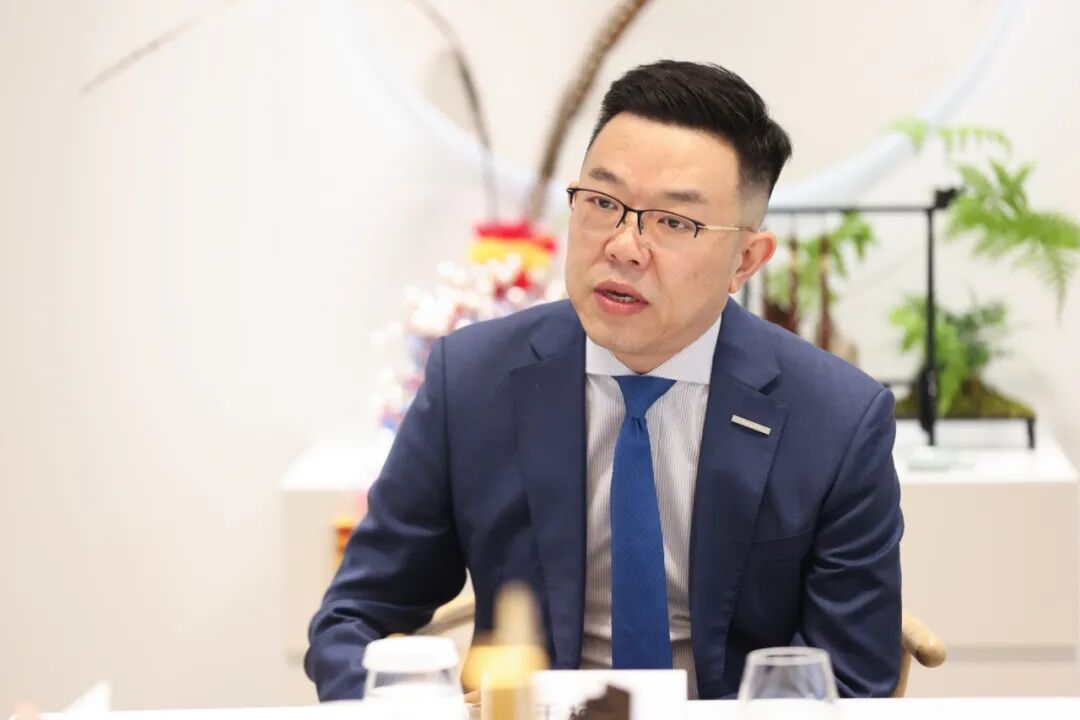
Volvo has recently once again been rumored to be experiencing changes in its core management. According to insiders, Yu Kexin, President of Volvo Cars Greater China Sales Company, has not appeared in public company events for about a month, a detail that has quickly sparked widespread industry speculation about Volvo's strategic direction in China.
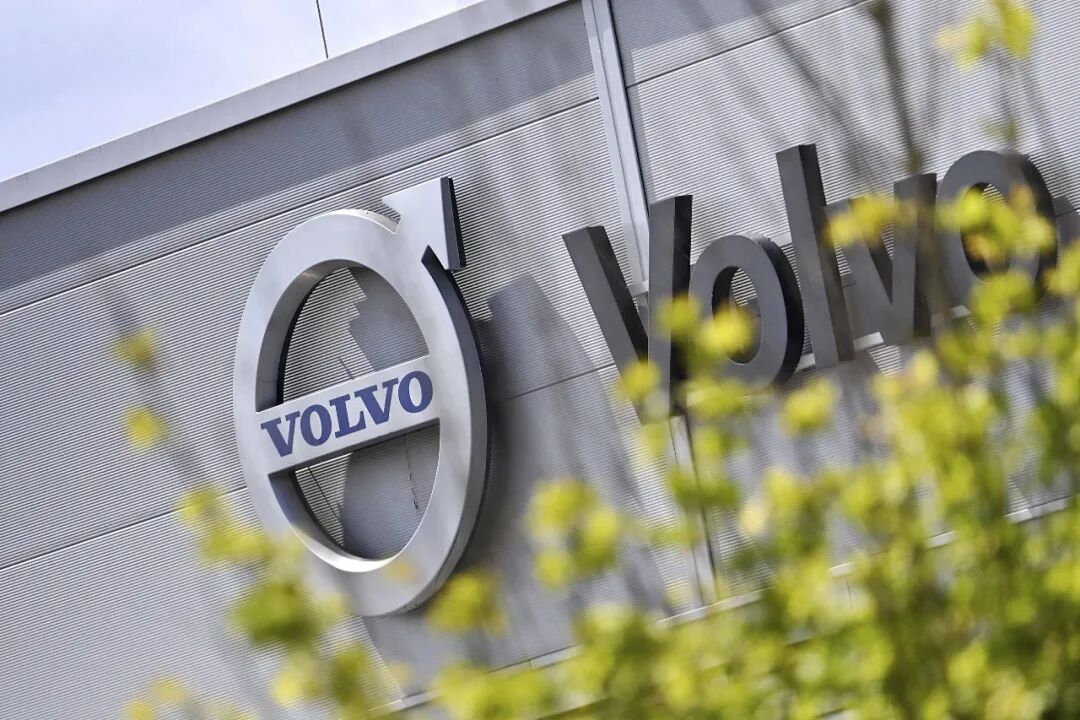
Compounded by multiple events this year, including a significant sales decline in China, deep adjustments in personnel structure, and electrification transition falling short of expectations, this nearly century-old Nordic luxury brand is standing at the most critical crossroads since its founding.
Behind the Personnel Turmoil
Volvo's personnel shake-up in China began as early as the first half of 2026.
On May 11, Volvo Cars suddenly announced major leadership changes, with Yuan Xiaolin, who had led the Greater China region for 16 years, stepping down as President and CEO. He was succeeded by Duan Jianjun, who has over 30 years of experience in the luxury car industry and took office immediately.
This news caused a huge stir in the automotive industry. Yuan Xiaolin, who witnessed Geely's acquisition of Volvo, doubled the scale of the Chinese market during his tenure and was one of the most central figures in Volvo's localization process. After stepping down, Yuan did not take on another core position within the group but chose to return to private life after completing the handover, marking the official end of Volvo's 'Yuan Xiaolin Era' in China, which lasted over a decade.
The new leader, Duan Jianjun, also has an impressive resume. He previously served as a core executive at BMW and Mercedes-Benz and even started his career as a Volvo after-sales technician, giving him deep historical ties to the brand. After taking office, Duan directly joined the group's global core management and global sales management, overseeing the entire value chain of research, production, supply, and sales in Greater China. He is widely regarded by the industry as Volvo's 'fire chief' brought in to turn things around.
The recent news that Yu Kexin has not been seen at the company for a month adds even more uncertainty to Volvo's personnel landscape.
As President of Volvo Cars Greater China Sales Company, Yu Kexin has always been directly responsible for frontline sales operations, frequently appearing publicly at auto shows and brand events, and leading the launch and promotion of several important models.
Now, with the core sales leader 'temporarily absent' and Duan Jianjun having been in office for only three months, it is clear that Volvo is deeply restructuring its sales system. From Yuan Xiaolin to Duan Jianjun, and now to changes in core sales positions, Volvo is rapidly overhauling its management team in an attempt to break the current market stalemate with a completely new lineup.
On the other hand, behind the personnel turmoil lies Volvo's undeniable sales slump.
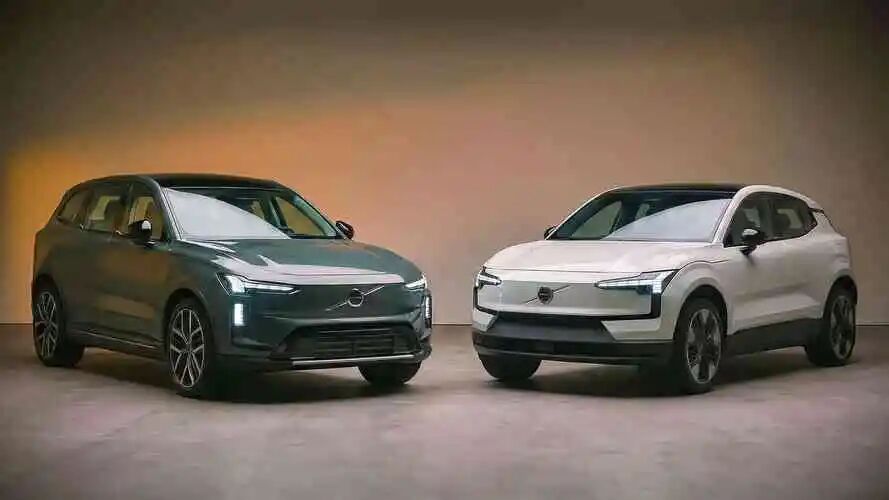
The latest publicly available data shows that in the second quarter of 2026, Volvo Cars' global sales reached 171,501 units, down 5.6% year-on-year. Volvo's goal of restoring full-year sales growth in 2026 now seems highly challenging.
Performance in the Chinese market has become the biggest drag on Volvo's global results. According to media statistics, in the first half of 2026, Volvo's cumulative sales in Greater China were only 53,200 units, a sharp year-on-year decline of 27%, representing the highest drop among all regional markets in Volvo's global portfolio.
It is worth noting that Volvo's sales predicament (slump) did not appear suddenly but is the result of long-term accumulation.
In 2025, Volvo's cumulative sales in the Chinese mainland market were 149,000 units, already showing a slight year-on-year decline of 4%, but revenue plummeted by 23% to 49.3 billion Swedish kronor, making China the market with the most severe revenue decline in Volvo's global operations, far exceeding the 7%-8% drops seen in European and American markets.
The core reason behind this is the full-scale price war in China's luxury car market since 2025, with BBA continuously lowering prices for entry-level models and new energy brands rapidly seizing the market above 300,000 yuan with their intelligentization (smart) advantages. Volvo's traditional fuel vehicles have been unable to maintain the brand premium of a luxury brand, nor have they established new competitiveness in the new energy sector, ultimately falling into a vicious cycle of 'selling cheaper but still unable to sell.'
Against the backdrop of an overall sales collapse, Volvo repeatedly emphasizes its 'high growth in new energy' figures externally, which seem like a bright spot amid the gloom. Data shows that in the first half of 2026, sales of electrified models in Volvo's Greater China region grew by 144% year-on-year, with plug-in hybrid vehicle deliveries increasing by 172%.
However, once this layer of high growth is peeled away, the deep-seated issues in Volvo's electrification transition are exposed, and the so-called 'successful transition' appears more like false prosperity achieved through heavy discounts.
How to Break Through the Predicament
First, the sales proportion of new energy models remains too low to offset the decline in fuel vehicle sales.
In the first quarter of 2026, sales of new energy models in Volvo's Greater China region were approximately 7,604 units, up 116% year-on-year, but only accounted for 27% of total sales. In the second quarter, sales of electrified models rose to 9,909 units, up 144% year-on-year, but still only accounted for just over 40% of the quarter's total sales of 24,900 units.
With only half a year left to achieve Volvo's annual target of raising new energy penetration in the Chinese market to over 60% in 2026, it is almost impossible to meet this goal.
An even more critical issue is that Volvo's flagship pure electric models have almost entirely failed in the market.
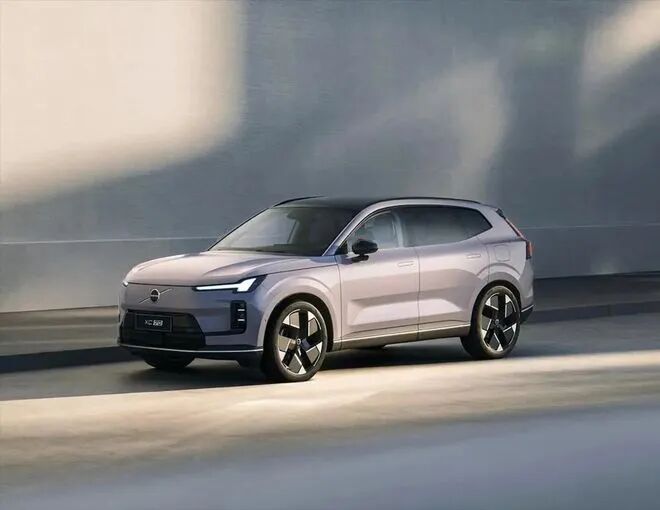
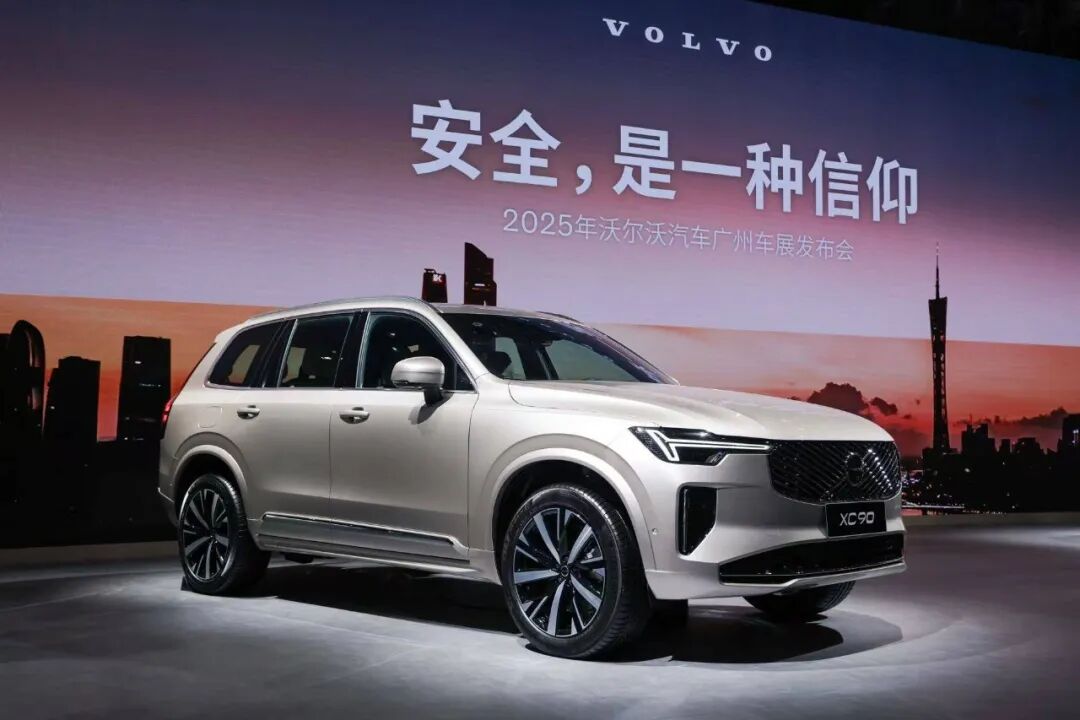
Take the Volvo EX90 as an example. Launched at the Guangdong-Hong Kong-Macao Greater Bay Area Auto Show on May 29, 2026, with an official guide price of 795,900 to 894,900 yuan, it immediately introduced a limited-time exclusive price, dropping to 459,900 to 529,900 yuan, with the top variant seeing a maximum price cut of 365,000 yuan—one of the most exaggerated price reductions in luxury car market history.
Behind such a 'one-step' pricing strategy is the fact that the 450,000-550,000 yuan mid-to-large SUV market, where the EX90 is positioned, is already fully covered by Chinese brands like the NIO ES8 and Li Auto L9. Volvo's product offers no competitive advantage in terms of smart cockpit, autonomous driving, or range performance. Even with such an exaggerated price cut, the EX90's market performance still failed to meet Volvo's internal expectations.
Previously, a Volvo executive boldly claimed, 'What new forces can do, we can learn in three years. What we can do, new forces won't learn in ten years.' Now, this declaration has been completely shattered by reality.
In contrast, in the global market, from May to July 2026, electrified models (pure electric + plug-in hybrid) accounted for 53% of all cars sold by Volvo, with pure electric models making up 27%. The two best-selling pure electric models globally in the first half of the year were the EX30 (40,700 units) and EX40 (25,200 units), with pure electric model deliveries growing by 14% year-on-year, maintaining growth for nine consecutive months, primarily driven by the European market, which saw a 25% year-on-year increase.
The stark contrast between the Chinese and global markets precisely shows that Volvo's electrified products have completely failed to meet the core needs of Chinese consumers. The so-called transition appears more like achieving short-term sales growth for plug-in hybrid models through heavy discounts, while the pure electric segment has almost entirely lost ground.
Today, Volvo is standing at the most difficult development juncture since its founding. Pressure from global sales growth targets, a sharp sales decline in the Chinese market, electrification transition falling far short of expectations, and continuous turmoil in core management—under these multiple pressures, the path to breakthrough for Duan Jianjun and his new team will not be easy.
In the short term, Volvo China must quickly streamline its sales system and stabilize the confidence of frontline dealers. Whether Yu Kexin's 'temporary absence' from the core sales position will cause turmoil (turmoil) in the dealer network remains to be seen. Volvo must promptly clarify the management structure at the sales end to get terminal market strategy execution back on track.
At the same time, Volvo needs to restructure its pricing system and stop relying on bottomless price cuts to achieve short-term sales, as this will only further erode the brand's luxury attributes accumulated over the years, trapping it in a death spiral of 'price cuts - brand devaluation - further price cuts.'
As a core luxury brand under Geely Holding Group, Volvo still possesses deep brand heritage and technological accumulation, with a large base of loyal users in traditional advantage (strength) areas like safety and health. However, in China's rapidly changing luxury car market, the window of time for Volvo to adjust is narrowing.
Whether Duan Jianjun and his team can halt the sales decline in the remaining months of 2026 and truly steer the electrification transition onto the right track will directly determine the ultimate fate of this century-old Nordic luxury brand in the Chinese market.
Note: Images sourced from the internet. If there is any infringement, please contact for removal.
-END-

-
![]()
Behind Two Renewed Agreements: Joint Venture Automakers Choose Long-Term Presence in China's New Energy Sector
-
![]()
Will Zunjie’s Launch of Two L3-Ready MPVs Spell the End of the ‘Price Markup Era’ for Alphard and Its Peers?
-
![]()
17 Strategies, 1.8 Billion Parcels, 12.5 Billion Yuan: Huizhou, Guangdong, Paves the Way for Autonomous Vehicle and Drone Delivery
-
![]()
Manus to Regain Independence, Former Shareholders Including Tencent to Repurchase Shares from Meta for $2 Billion
-
![]()
Starting at 99,900 yuan, the Updated Seal 06 Hits the Market. How Should Family Buyers Decide?
-
![]()
In-Depth Analysis of Volkswagen CARIZON’s Proprietary Intelligent Driving Technology
-
![]()
Can a car priced at 80,000 yuan really have LiDAR? Features once exclusive to 300,000-yuan models now available at rock-bottom prices
-
![]()
He Shocked Silicon Valley, Yet Felt Every Day That the Company Was on the Brink