Pure Electric Sedans in the 150,000-200,000 Yuan Bracket: Are They a Lost Cause?
 08/17 2026
 560
560
Lead-in
Introduction
Pure electric sedans face significant challenges within this price range, encountering the most intense competition.
Have you ever noticed how the 150,000-200,000 yuan price range seems to be a no-man's-land for pure electric sedans?
Certainly, according to the prevailing marketing strategies of automakers competing for the “first electric car for young people” market, the 150,000-200,000 yuan range in 2026 has become fiercely contested. Features like 800V high-voltage fast charging, LiDAR, and a 700-kilometer range—previously exclusive to 300,000 yuan models—are now available at this price point.
However, this is also the price range where consumers are most discerning and meticulous with their spending. In other words, buyers in this segment are particularly concerned about “cost-effectiveness,” “quality-to-price ratio,” and even “value-to-price ratio.” This is because opting to save 30,000-50,000 yuan results in a drastic reduction in features. Conversely, spending up to 250,000 yuan often means paying a premium for brand recognition, leaving buyers feeling shortchanged.
As a result, competition in this segment has become a fierce “red ocean,” where consumers prioritize “having it all—no shortcomings, zero anxiety.” Pure electric sedans, however, are at a significant disadvantage in this price range, facing intense competition from rivals, leading to a “black hole” phenomenon.
01 The Decline of Pure Electric Sedans in This Range
Let's first examine which sedans perform well in the 150,000-200,000 yuan range.
The answer is gasoline cars. Models like the Camry, Sagitar, Magotan, Passat, and Accord dominate this segment—all gasoline-powered. However, their average monthly sales now hover around 10,000 units, a far cry from the heyday of gasoline vehicles. Of course, their strong sales are also attributed to significant price discounts offered by these joint-venture gasoline sedans.
In contrast, reasonably successful pure electric sedans in this range include the Fengyun A9L (5018*1965*1500mm, wheelbase 3000mm), BZ7 (5130*1965*1506mm, wheelbase 3020mm), Han EV (4995*1910*1495mm, wheelbase 2920mm), and XPENG P7+ (5071*1937*1512mm, wheelbase 3000mm).
Currently, the best-selling pure electric sedan in the 150,000-200,000 yuan range, the XPENG P7+, sells around 4,000 units, though it can't even guarantee that figure, with July sales at only 2,731 units.
Additionally, Automobile Commune previously discussed the BZ7. From its debut at the Shanghai Auto Show last year to its market launch this year, many in the industry (including competitors) believed that selling 5,000 units per month should be achievable, given its generous features and affordable price.
However, the actual results were 4,637 units in the first month, 3,254 in the second, 1,757 in the third, and a slight rebound to 2,108 in July. The BZ7's sales followed a downward trajectory of “peak at launch,” failing to escape the “three-month curse” and seemingly entering the aforementioned “black hole,” much to Toyota's disappointment for its highly anticipated mid-to-large pure electric coupe.
Moreover, the BZ7 can still be considered somewhat successful, as some brands have entirely given up on pure electric sedans. For instance, on March 12 this year, Honda announced the cancellation of its pure electric sedan project, the Honda 0 Saloon.
This project was part of Honda's new self-developed pure electric platform, the 0 Series, unveiled as a concept car at CES 2025 and originally slated for mass production at its Ohio plant. Now, Honda has terminated the development and launch plans for all three models, including the Honda 0 Saloon, and written off approximately 2.5 trillion yen in assets.
Many more pure electric sedans have faltered in this segment. And it's not just in the 150,000-200,000 yuan range. Above 200,000 yuan, models like NIO's ET5 and ET5T, combining for over 2,000 units per month, are also not considered successful, along with the ZEEKR 007 and XPENG P7.
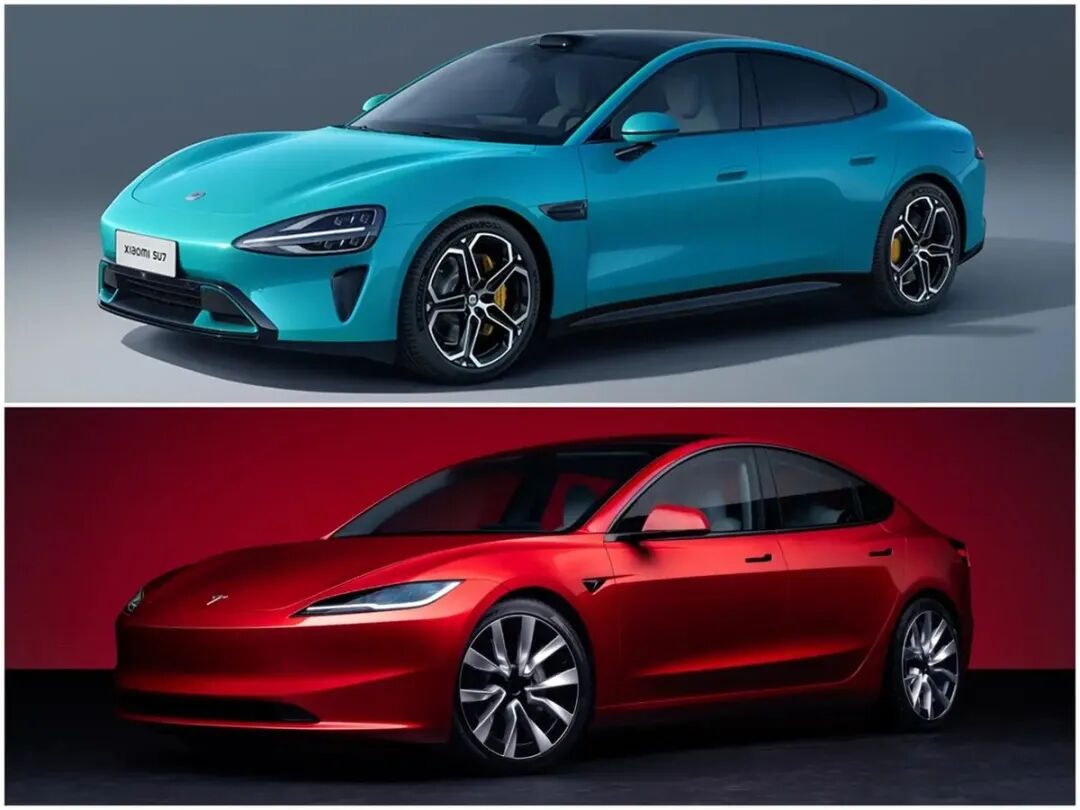
Of course, there are successful cases like the Xiaomi SU7 and Model 3. However, the industry has reached a consensus in recent years that pure electric sedans above 200,000 yuan are only successful as a “belief” success.
Tesla leveraged its first-mover advantage to establish a global brand image as a “tech pioneer,” while Xiaomi capitalized on its vast “Mi Fan” base and the concept of a “human-car-home ecosystem” to capture the minds of young internet users. Especially with the high ecological binding between Xiaomi car owners and Xiaomi products, it naturally makes it difficult for latecomers to break in.
However, belief-driven success also has its limits. For example, the Model 3 has declined from a peak of over 20,000 units per month to just 15,000 units, and even that figure is struggling to hold.
Another exception is the Denza Z9GT, a niche model priced around 300,000 yuan, which sells well primarily due to its extreme personalization. However, the upcoming Denza Z9S, with a pre-sale price starting at 319,800 yuan, is less certain. Although it shows signs of niche appeal, its market price won't be cheap, likely between 250,000-300,000 yuan, entering yet another black hole.
Thus, we may have to conclude that while pure electric vehicles offer opportunities, they may only be viable for SUVs. Pure electric sedans and large pure electric sedans will continue to face the “black hole.”
02 Why Don't They Work?
This is true for domestic brands, and even for seasoned players like BMW and Mercedes-Benz, which have weathered numerous cycles, pure electric sedans have not fared well. Mercedes-Benz will launch the C-Class pure electric later this year, and BMW will launch the i3, but expectations for both are low.
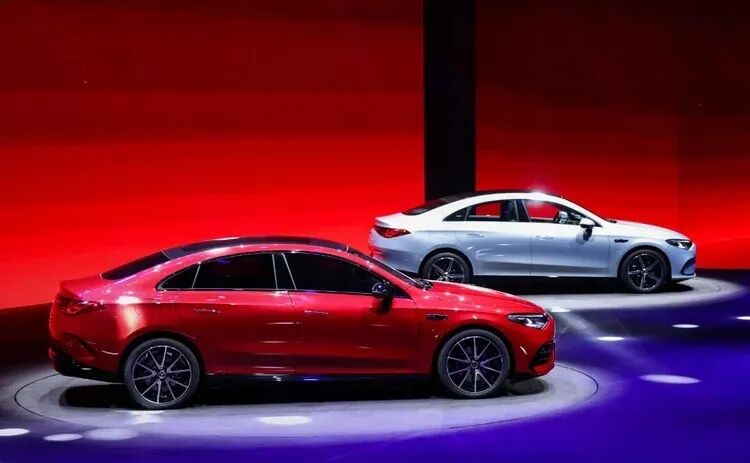
From the CLA (domestically, the CLA L), we can see that while it sells well in Europe, stabilizing at around 4,000 units, it struggles in China, failing to maintain even 100 units. After all, with a 250,000 yuan budget, consumers will prioritize comparing models like the Xiaomi SU7 and ZEEKR 007 over a low-selling joint-venture pure electric coupe.
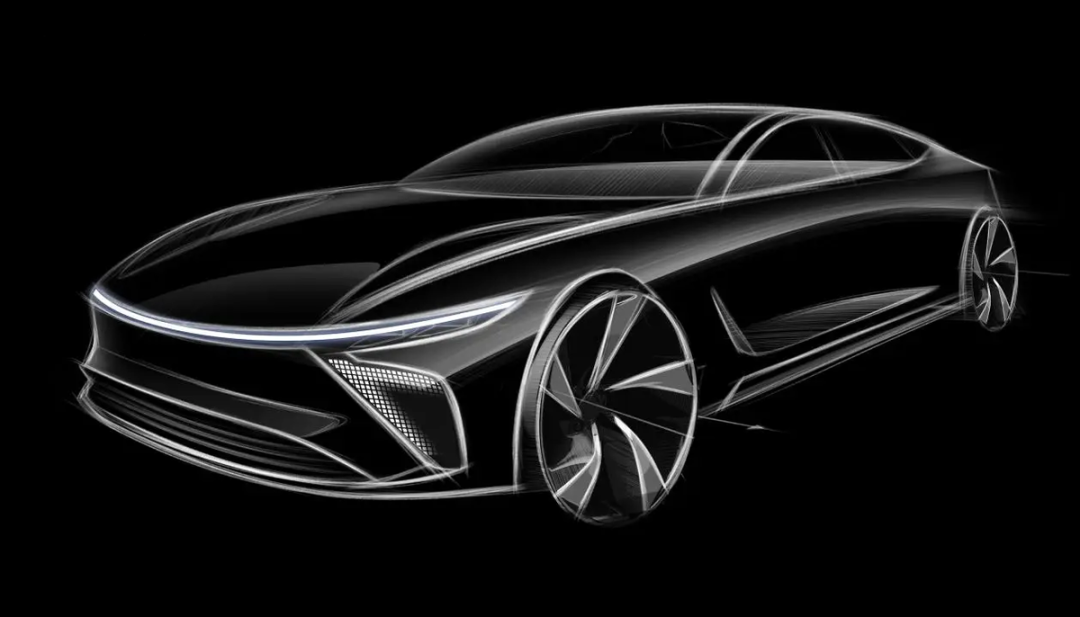
Thus, manufacturers are deliberately avoiding the 150,000-200,000 yuan pure electric sedan “black hole.” For example, the AION RAY 7, which has appeared in the MIIT's new car filing directory, is expected to officially debut in mid-to-late August (pre-sale/premiere event) and launch in the fourth quarter with deliveries beginning. This model celebrates AION's 10th anniversary.
In terms of overall architecture, the RAY 7 is similar to the Hyper GT, essentially the AION version of the Hyper GT. While outside predictions suggest a 150,000-200,000 yuan price range, internally, there are thoughts of pricing it between 120,000-150,000 yuan. After all, the AION brand itself needs to be positioned slightly lower, and fundamentally, it aims to avoid the “black hole” of pure electric sedans.
So, why don't pure electric sedans work in this range? There are several reasons.
First, according to relevant surveys, most buyers in the 150,000-200,000 yuan range will only own one car—their first/only family car. Thus, their core requirement is full-scenario applicability, covering both urban and holiday long-distance travel, making it difficult to accept the constraints of pure electric modes (range, charging, etc.).
Policy is also a factor. After the halving of new energy vehicle purchase taxes, the advantage of vehicle purchase thresholds in license-restricted cities has diminished, while in second- and third-tier cities without strong license-plate restriction policies, the appeal of green plates has significantly weakened.
Second, plug-in hybrid/extended-range sedans at the same price point are also vying for orders, with strong contenders like the Han DM-i, Lynk & Co 07 EM-P, Deepal SL03 Extended Range, and Qin L DM-i all falling within this range. Additionally, as mentioned earlier, joint-venture B-class sedans like the Accord, Camry, Magotan, and Passat, as well as pure electric SUVs at the same price point like the AION S MAX, Yuan PLUS, and BZ3X, are also competing.
From a cost perspective, the battery in pure electric sedans consumes a significant portion of the cost, making it difficult to stack features surprisingly, and automakers have few solutions. After all, battery costs account for 35-45% of the total vehicle cost in a pure electric sedan. Thus, even an 180,000 yuan pure electric sedan struggles to simultaneously offer 800V fast charging, advanced intelligent driving, steer-by-wire chassis, and ample headroom. In contrast, plug-in hybrids at the same price point have smaller batteries, allowing for budget allocation elsewhere.
Additionally, there is the anticipated anxiety over resale value. For buyers highly concerned about cost-effectiveness, the thought of losses upon resale in three to five years makes them hesitant. While charging infrastructure has improved, it doesn't resolve the issue of residual value. Especially for niche pure electric models, concerns like “What if sales are poor and repairs become difficult? What if I can't sell it later?” lead to stronger wait-and-see sentiment.
These are external factors. Analyzing the vehicle structure itself may reveal deeper reasons.
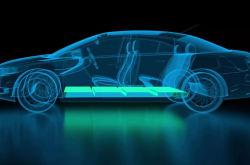
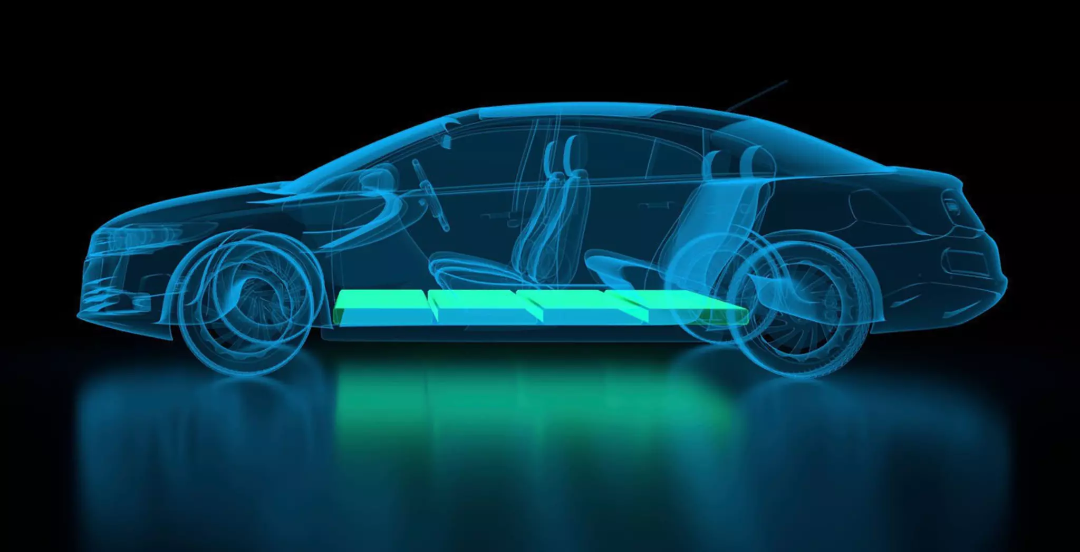
The biggest objective limitation of pure electric sedans is that the battery pack, laid out in the chassis, occupies vertical space. Thus, while maintaining the basic exterior posture of a sedan, the thickness of the interior seat cushions is almost entirely less than that of comparable gasoline cars.
There's no helping it—the battery height (around 12cm) necessitates sacrificing seat comfort. For instance, some have measured the seat cushion height of the Audi A6L at 38cm, close to the ergonomic requirement of 40-45cm. In contrast, similarly sized pure electric sedans like the Model 3, ZEEKR 007, IM L6, Galaxy E8, NIO ET5, ZEEKR 001, and MONA M03 all have seat cushion heights below 35cm.
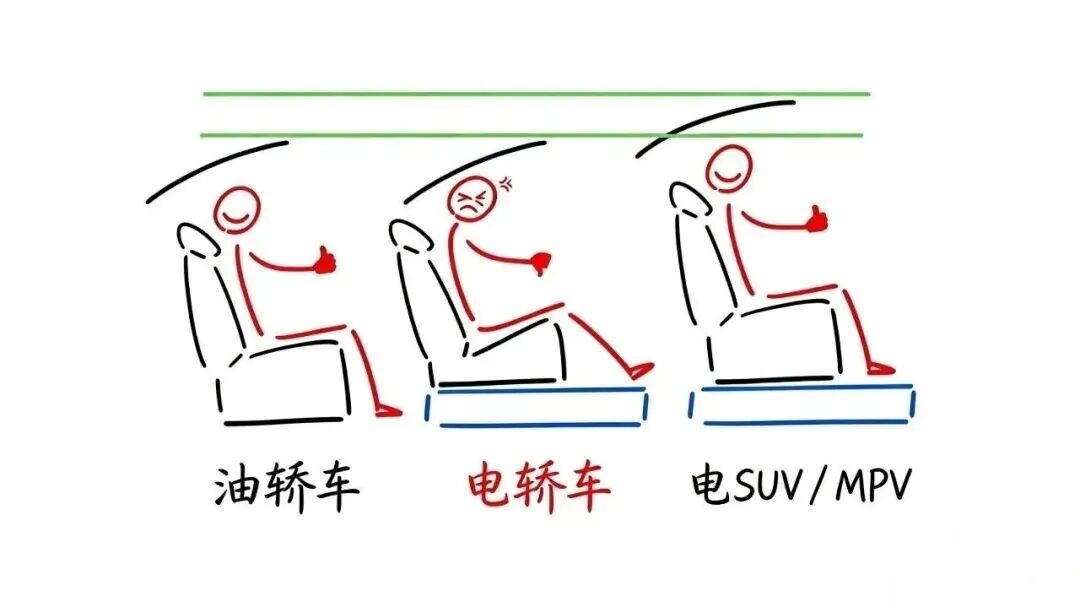
Image Source: Bilibili, Great Hero Snail Strategist
Reducing seat cushion height is necessary to ensure headroom. After all, sedans are inherently shorter than SUVs. To maintain the sedan's exterior curve while the battery raises the floor height, the only thing that can be reduced is seat cushion thickness. Moreover, increasing height would disrupt the vehicle's exterior appearance, clearly undesirable.
Additionally, for a pure electric sedan to offer a riding experience roughly equivalent to an Audi A6L, legroom must increase by at least 7cm to allow for leg stretching. Overall, a pure electric sedan's wheelbase must be 100-150mm longer than a comparable gasoline car to achieve a similarly spacious riding experience.
Thus, we can understand why, in recent years, among all sedans in a similar price range, pure electric sedans have become a class above in size compared to gasoline cars.
As the saying goes, “moving one part affects the whole,” a design change in one area necessitates changes elsewhere. Once internal space is sufficient, the vehicle becomes larger, requiring range assurance. Ensuring range leads to thicker battery stacks in pure electric sedans, encroaching on more vertical space.
Thus, when consumers select these pure electric sedans, they notice these “off” details—areas that don't match their needs—and under the influence of various factors, the “black hole” for pure electric sedans emerges.
Behind the “black hole” of pure electric sedans lies the development of the new energy vehicle industry, which they represent. This development involves not just industrial chain and structural innovation but also aesthetic, consumption pattern, and product form innovation. Traditional sedan designs like the 56E, Accord, Camry, Magotan, and Passat are being disrupted and surpassed in this revolution.
The result of this revolution is the gradual blurring of boundaries between traditional sedans, SUVs, and MPVs, with cross-border models like new energy wagons and shooting brakes becoming increasingly popular. Meanwhile, pure electric sedans are also being revolutionized. For the industry, this may be a good thing—ushering in the new while advancing the industry. However, the “obsession” with pure electric sedans may need to be let go.
Editor-in-Chief: Li Sijia Editor: He Zengrong

THE END
-
![]()
From Over 4,000 Units Sold Monthly to Fewer Than 400: What Happened to the Zunjie S800?
-
![]()
After Chevrolet’s Departure, Which Japanese Car Brand May Be Next to Exit the Chinese Market?
-
![]()
Domestic 'Boxy SUV': Is It Up Against a Formidable Challenger?
-
![]()
Who Trapped the 'Boxy Cars' in the City?
-
![]()
Pure Electric Sedans in the 150,000-200,000 Yuan Bracket: Are They a Lost Cause?
-
![]()
Over the Past Two Decades, China Has Secured Over 130 Auto Parts Firms in Europe
-
![]()
Shenzhen's Autonomous Vehicle July Report: 200,000 km Traveled, 3.17 Million Orders Processed, 60% Increase in Nighttime Activity! Beyond 'Five-Party Collaboration,' Full Citywide Deployment
-
![]()
The "Happiness" of Xpeng