After Chevrolet’s Departure, Which Japanese Car Brand May Be Next to Exit the Chinese Market?
 08/17 2026
 501
501
It’s clear that Chinese independent automakers, led by BYD, have capitalized on their technological edge in new energy vehicles (NEVs) to show robust growth over the past two years, achieving a genuine leapfrog over joint venture companies focused on fuel vehicles. The current state of domestic joint venture automakers can be aptly described as “in decline”—and that’s no exaggeration.
Setting aside other brands, even global automotive giants Volkswagen and Toyota—ranking among the top two—have seen a significant drop in domestic sales compared to previous years due to the rise of domestic NEVs. Consequently, they’ve had to accelerate their transition to NEVs over the past two years. The situation for other joint venture automakers in the domestic market is even less promising. Just a few days ago, SAIC-GM’s subsidiary, Chevrolet, officially announced the cessation of domestic sales.
The reason is straightforward: Chevrolet’s sales in the domestic market have dried up. Throughout 2025, Chevrolet sold only 8,700 units domestically, marking an 83.5% year-on-year decline from 2024. For a joint venture brand to sell fewer than 10,000 units in a year, withdrawing from the domestic market seems like a relatively wise decision. Despite Chevrolet’s current poor performance, it enjoyed a golden era during the fuel vehicle era, peaking in 2014 with cumulative annual domestic sales of 767,000 units. In just a decade, Chevrolet’s domestic sales have plummeted by 93%.
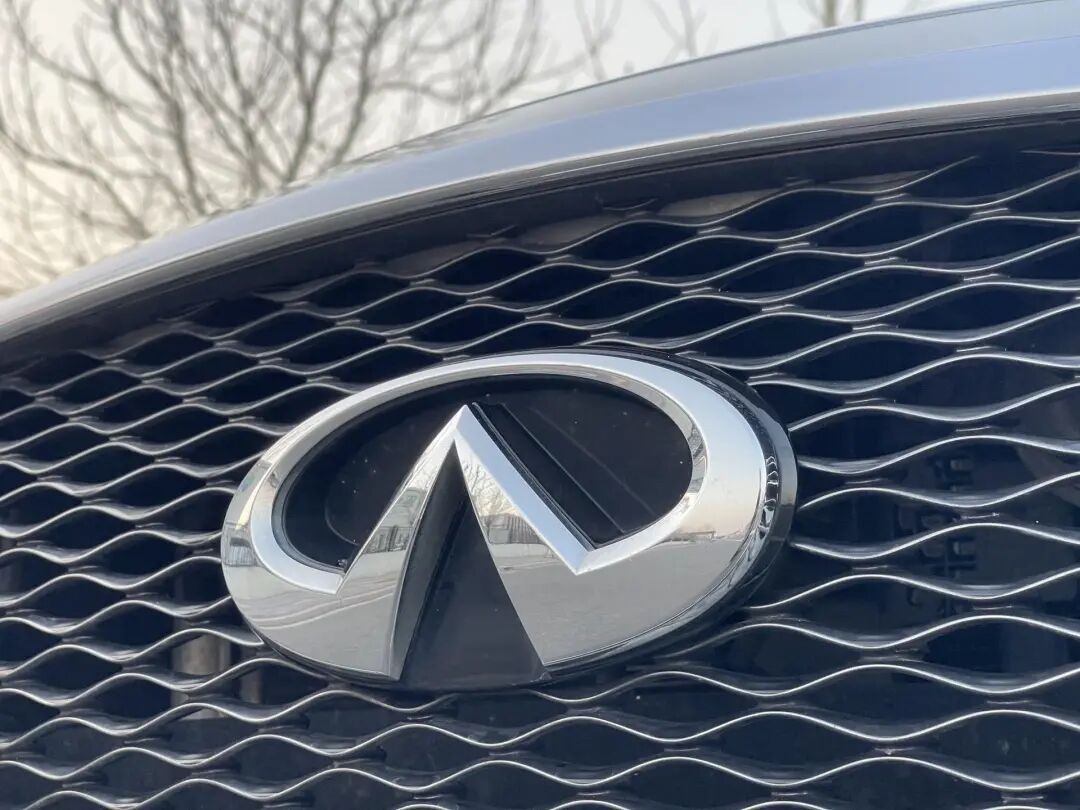
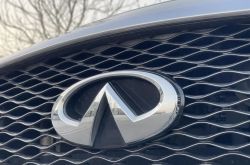
Following Chevrolet’s announcement to suspend new car sales in the domestic market, a new topic of discussion has emerged in the automotive circle: Which joint venture automotive brand will be the next to exit the Chinese market after Chevrolet? After a general analysis, it’s highly likely that a Japanese brand—specifically a luxury Japanese automotive brand—will follow in Chevrolet’s footsteps. This brand is Dongfeng Infiniti.
As a premium automotive brand under Nissan, Infiniti first entered the Chinese market in 2007 and achieved localization in 2014. Although Infiniti has never held a significant position in the domestic luxury car market, it has managed to survive with the support of Dongfeng Nissan. While Infiniti’s sales lag far behind established luxury automotive brands like Mercedes-Benz and BMW, and even trail behind Volvo and Cadillac, its performance isn’t as dire as one might imagine. In 2017, its domestic sales reached 48,400 units, setting a new sales record. However, starting from 2020, Infiniti experienced a noticeable decline in the domestic market, with 2021 marking a watershed year. Not only did its sales fall below 10,000 units, but the year-on-year decrease was as high as 62.2%, with sales amounting to only 8,697 units.
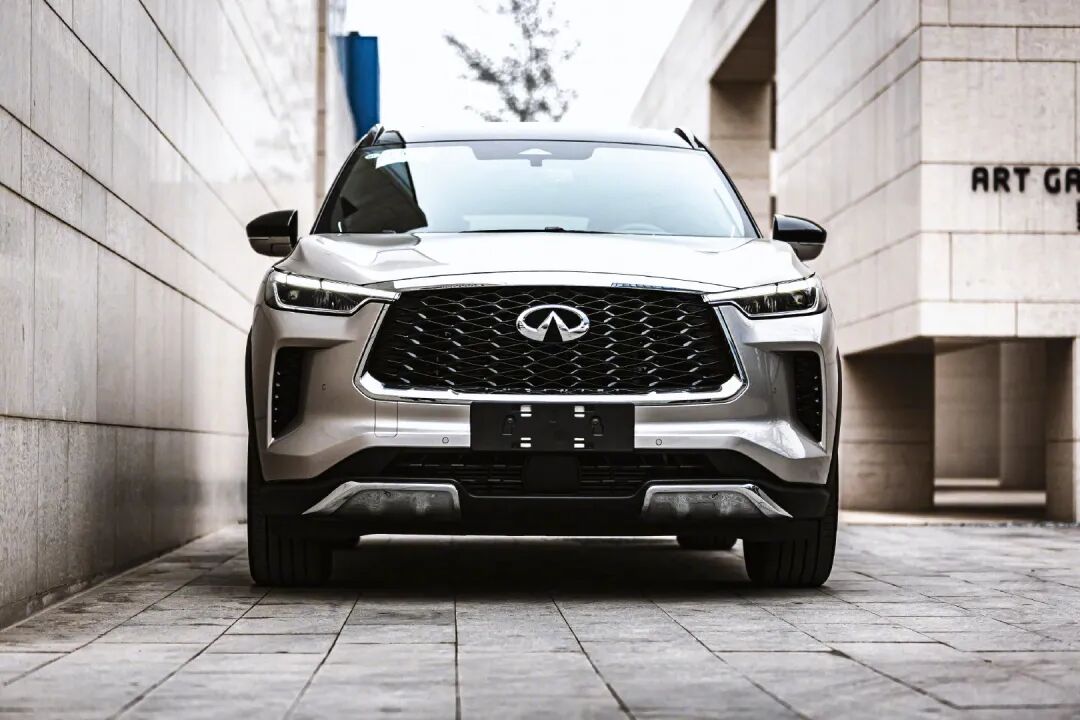
With the launch of the QX60, Infiniti’s sales saw a year-on-year increase in 2023, but then declined again in 2024 and 2025. In 2024, its annual sales were 2,378 units, a 59.2% year-on-year decrease. In 2025, its annual sales further dropped to only 1,550 units, a 34.8% year-on-year decrease. Despite this, at the 2024 Beijing Auto Show, Infiniti announced a comprehensive transition to electrification, demonstrating its persistence in the domestic market.
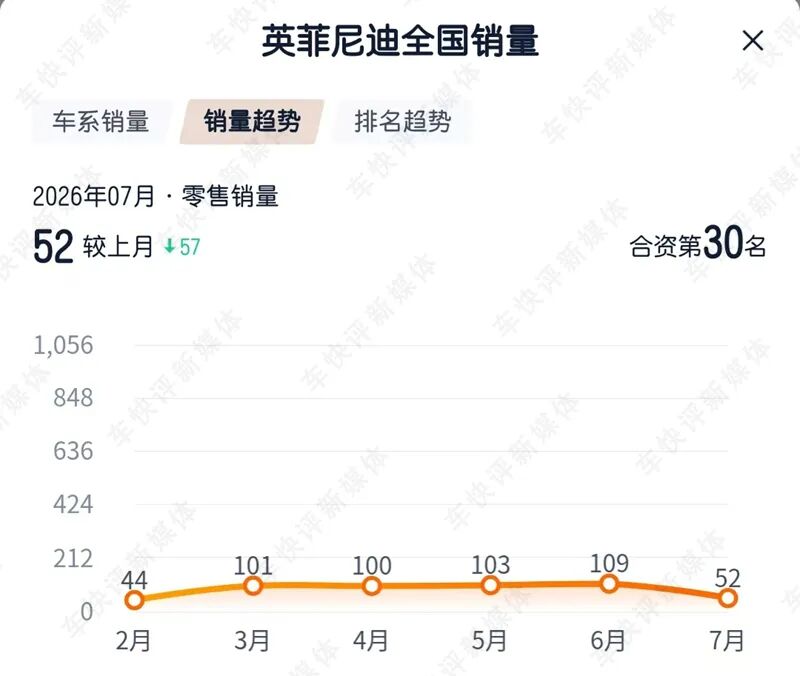
According to the latest released data, Infiniti’s domestic sales in July this year were a mere 52 units—yes, you read that right, 52 units. From January to July, its cumulative domestic sales were only 601 units, averaging less than 86 units per month. In less than a decade from 2017 to 2025, Infiniti’s domestic sales have plummeted by 96.7%. Such dismal sales performance would be a headache not only for Infiniti’s executives but also for ordinary observers like us.
In addition to the sales collapse, there’s another issue that’s even more troublesome for Infiniti: its sales channels.
Data shows that at its peak, Infiniti had 131 4S stores and 122 after-sales outlets in the domestic market. However, with the continuous decline in sales in recent years, a large number of Infiniti dealers have withdrawn from the network. As of now, there are fewer than 30 Infiniti 4S stores nationwide. The significant reduction in sales channels and after-sales outlets is bound to dampen consumer enthusiasm for purchasing.
Given this situation, do you think Infiniti will be the next joint venture automotive brand to exit the domestic market? Leave your comments in the comment section for interaction.
Copyright Notice: This article is original content from CheKuaiping. Reproduction requires permission. Unauthorized reproduction and any form of plagiarism or misappropriation of text or images are strictly prohibited and will be subject to legal action. Some images in the article are sourced from the internet, and the copyright belongs to the original authors. If your work has been used, please contact us for royalties or deletion.
-
![]()
From Over 4,000 Units Sold Monthly to Fewer Than 400: What Happened to the Zunjie S800?
-
![]()
After Chevrolet’s Departure, Which Japanese Car Brand May Be Next to Exit the Chinese Market?
-
![]()
Domestic 'Boxy SUV': Is It Up Against a Formidable Challenger?
-
![]()
Who Trapped the 'Boxy Cars' in the City?
-
![]()
Pure Electric Sedans in the 150,000-200,000 Yuan Bracket: Are They a Lost Cause?
-
![]()
Over the Past Two Decades, China Has Secured Over 130 Auto Parts Firms in Europe
-
![]()
Shenzhen's Autonomous Vehicle July Report: 200,000 km Traveled, 3.17 Million Orders Processed, 60% Increase in Nighttime Activity! Beyond 'Five-Party Collaboration,' Full Citywide Deployment
-
![]()
The "Happiness" of Xpeng