BYD Han Unveiled for Pre-sale with Striking Design, Sparking Netizen Debate: Is It Merely an Enhanced Version of a Ride-Hailing Vehicle?
 08/27 2026
 399
399
The BYD Han undoubtedly stole the spotlight as the most talked-about sedan at the Chengdu Auto Show.
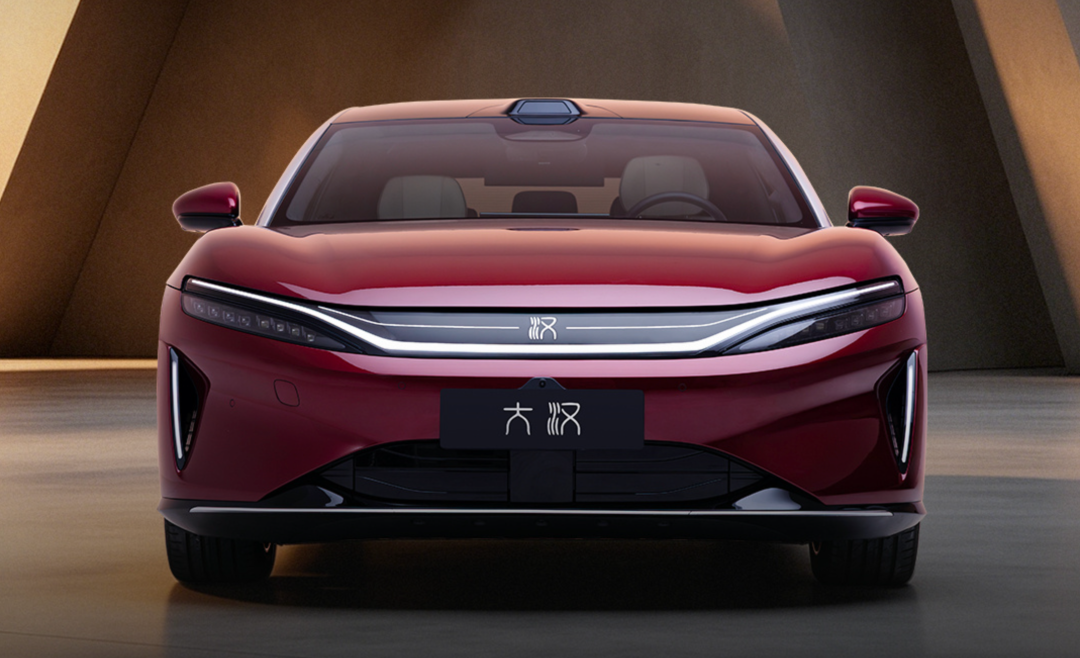 Image Source: Weibo
On August 21, BYD's latest flagship sedan, the Han, from the Dynasty 9 series, officially commenced its pre-sale. Priced between 249,900 and 299,900 yuan, it boasts an impressive 5256mm length, a leading 3130mm wheelbase, innovative "Flying Eaves Dawn-Breaking" headlights, and an illuminated Chinese character logo. The overall aesthetic of the vehicle is a significant departure from traditional family cars, marking a groundbreaking upgrade in the Han lineage.
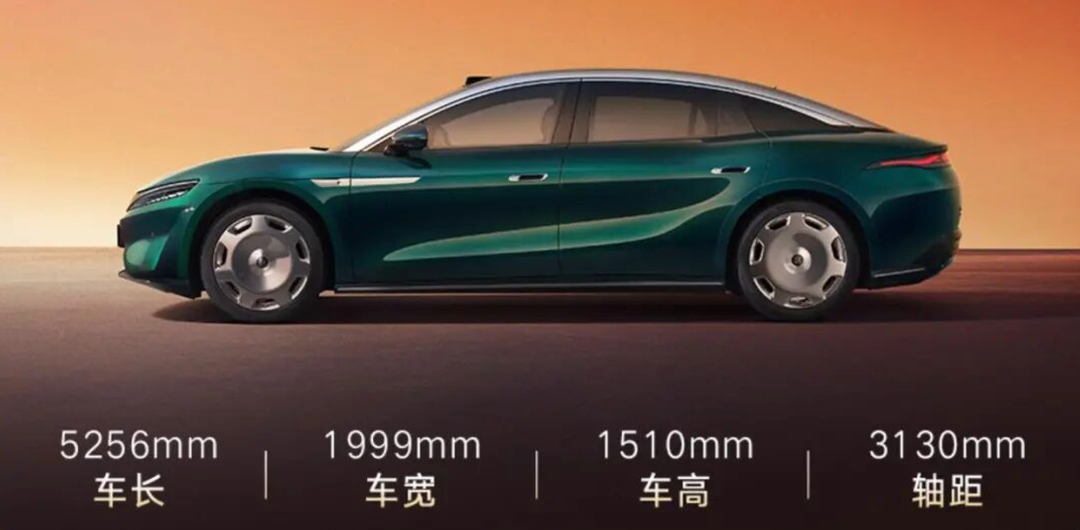
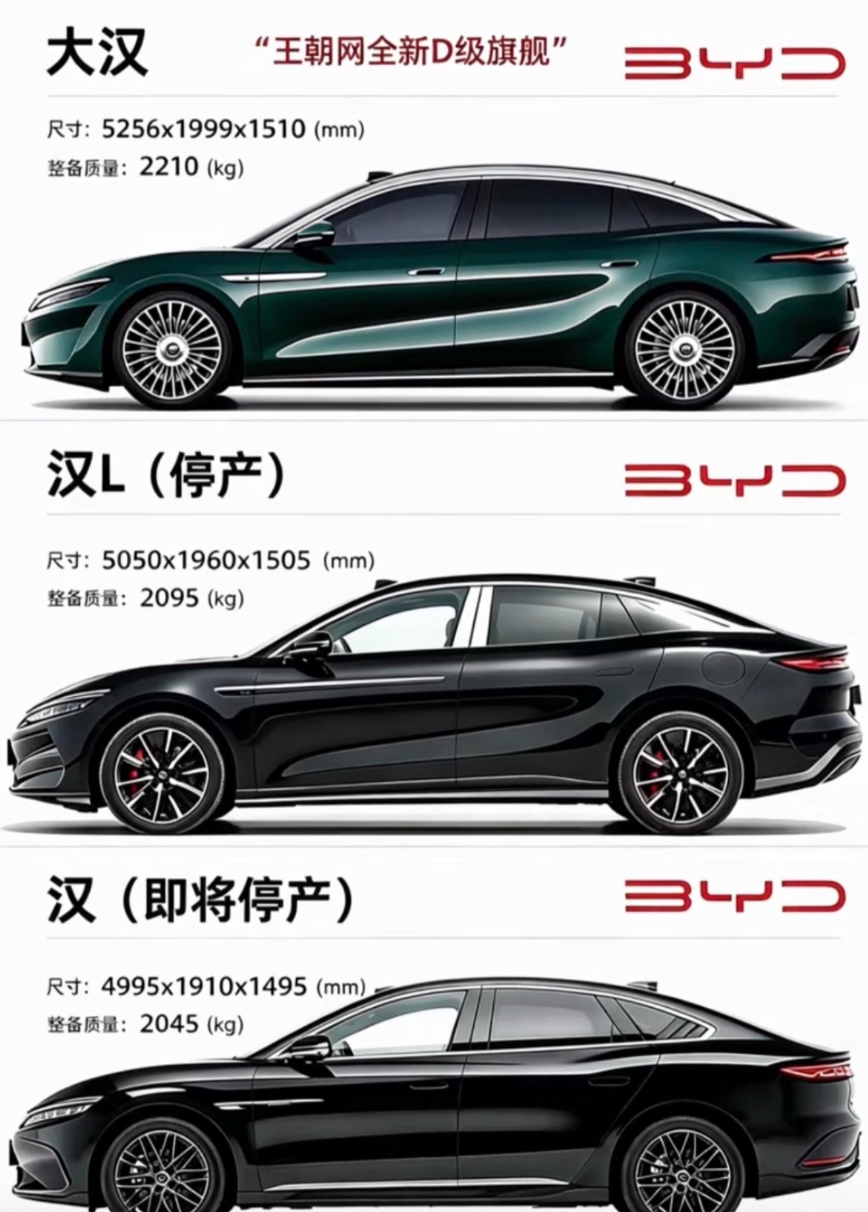 Image Source: Weibo
The Han's hardware is truly remarkable, featuring standard cloud-A double-chamber air suspension, CDC electromagnetic damping, 7° rear-wheel steering, and an exceptionally small turning radius of 5.4 meters across all variants. Powered by the second-generation blade battery, the rear-wheel-drive model offers a CLTC range of 1008km, with a 5-minute flash charge replenishing 10%-70% of its energy. The four-wheel-drive variant accelerates from 0-100km/h in just 3.3 seconds, complemented by a comprehensive suite of advanced intelligent driving features from the "Divine Eyes" system.
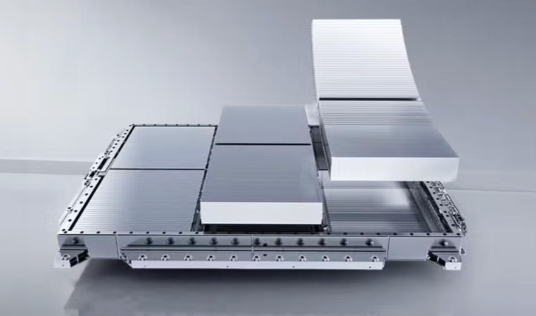 Image Source: Baijiahao
In terms of specifications, dimensions, and luxury features, the Han stands toe-to-toe with luxury D-class cars priced between 500,000 and 600,000 yuan. Logically, it should be hailed as the pinnacle of domestic flagships, deserving widespread acclaim online.
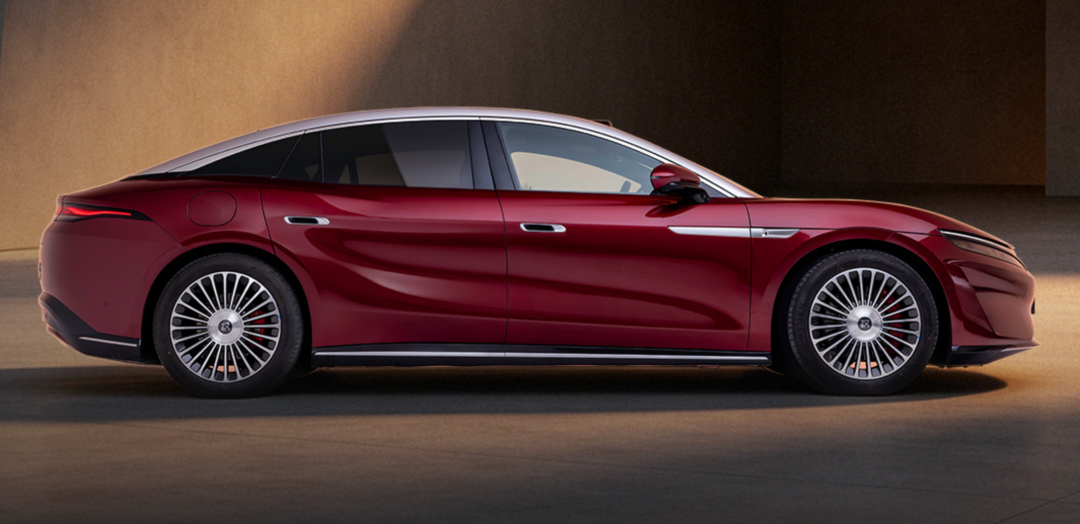 Image Source: Weibo
However, online public opinion is sharply divided.
Following the commencement of pre-sales, the most contentious issue in the comments section was not the specifications or pricing but a pointed remark: Is this just an elongated, widened, and luxuriously upgraded version of a ride-hailing car?
Car enthusiasts are ecstatic, convinced of its unbeatable value for money, while skeptics are relentless in their mockery, asserting that the brand's image has hit a ceiling. Netizens from both camps are engaged in heated debates online.
01 Top-tier Hardware, Upgraded Interior, Genuine Flagship Credentials
Visitors to the auto show who have experienced the Han firsthand cannot deny its product integrity. The car's core philosophy is clear: eschew flashy gimmicks and invest heavily in the chassis, rear seats, and materials that offer visible and tangible luxury.
Compared to the regular Han and Han L, the Han's interior has undergone a comprehensive overhaul. The vehicle features imported white bolt real wood veneer panels, eschewing cheap faux wood finishes. All models come standard with suede roof linings and NAPPA diamond-stitched leather seats, significantly reducing the use of cheap glossy paint finishes, making the car's premium feel immediately apparent. The warm brown and off-white two-tone color scheme breaks away from BYD's previous homely ambiance, exuding a strong business vibe.
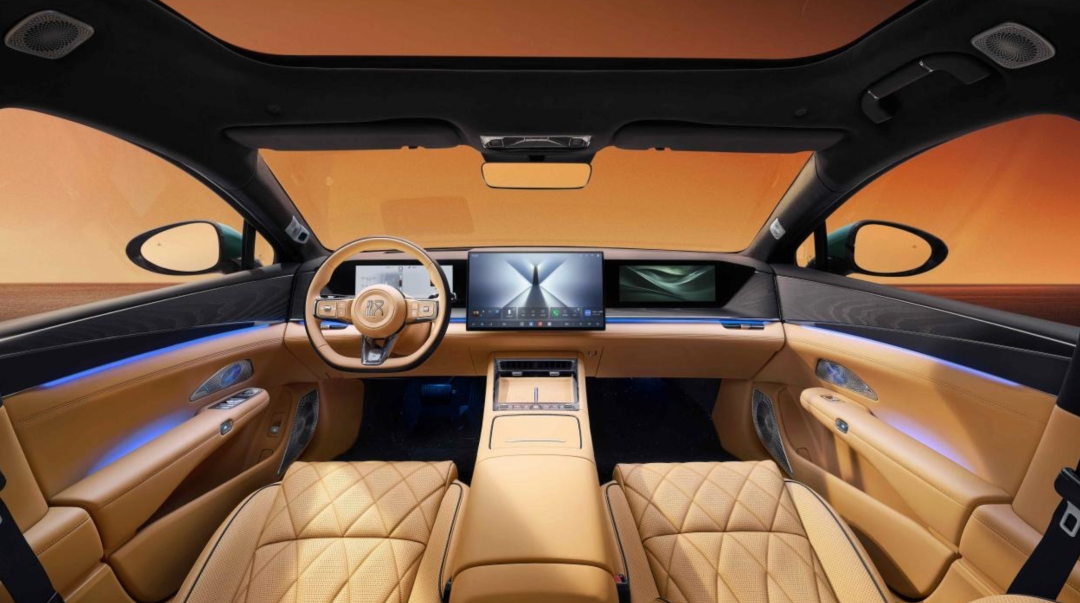 Image Source: Weibo
The front seats feature dual zero-gravity seats with ventilation, heating, and massage functions, a 6℃~50℃ bidirectional temperature-controlled car refrigerator, four power-absorbing doors, and an 8295P flagship infotainment system. The most significant upgrade, however, is in the rear seats. The 3130mm ultra-long wheelbase provides an astonishing 90.8% space utilization rate, with rear 12° electric adjustable seats, dual electric leg rests, a rare right-rear electric footrest for sedans, paired with PDLC one-second dimming privacy glass and rear independent touch controls, creating a true MPV-level executive cabin.
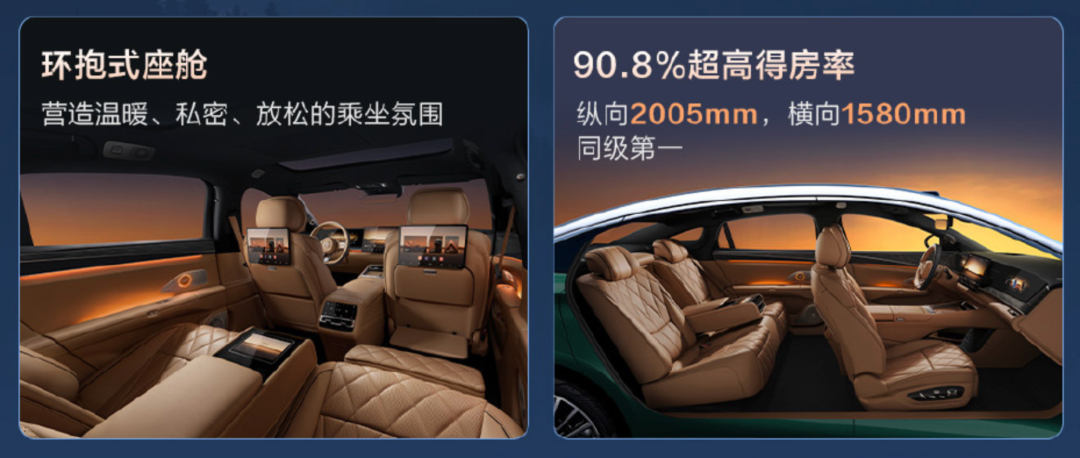 Image Source: Weibo
The car is equipped with a 31-speaker Devialet sound system, dynamic ambient lighting, exclusive welcome light sequences, and in-car fragrance, pulling out all the stops for a luxurious ceremonial experience.
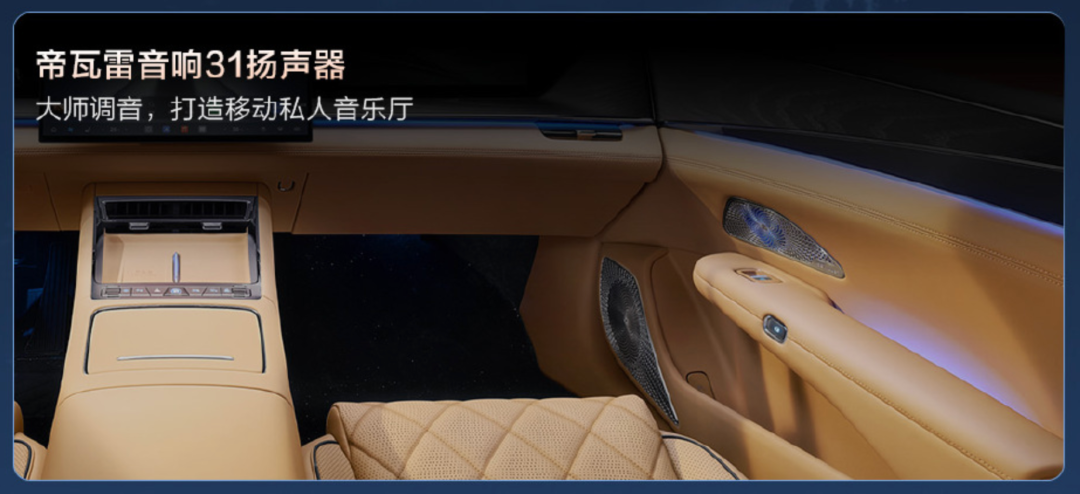
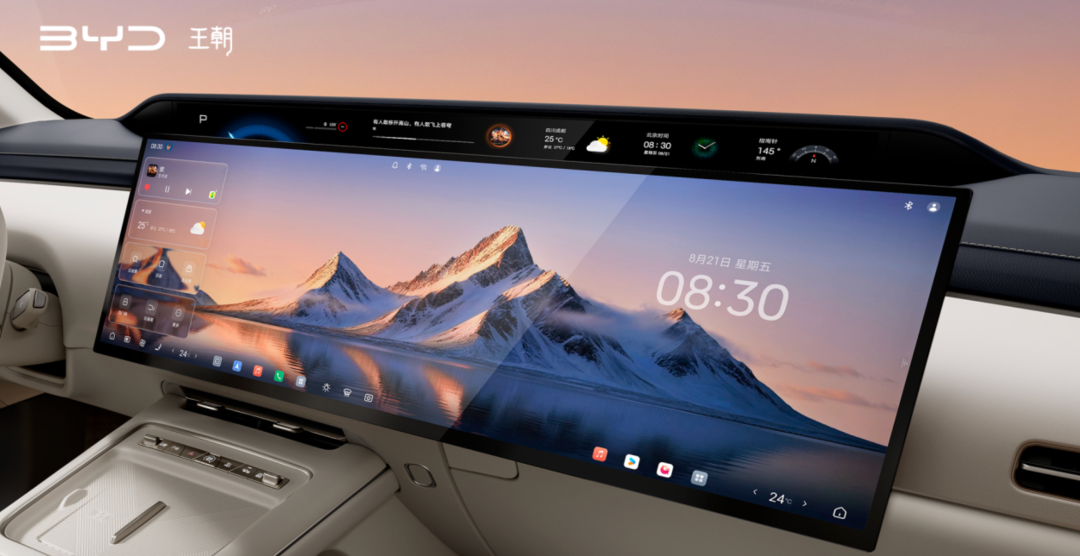 Image Source: Weibo
Netizens who support the Han are blunt: This is the strongest chassis and rear seat you can buy at the 250,000 yuan price point, without equal.
"Even BBA cars priced at 500,000 to 600,000 yuan may not come standard with air suspension and rear-wheel steering across all models, but BYD has directly provided these features for the Han priced at 250,000 yuan, demonstrating hardware integrity that crushes its peers." In the eyes of supporters, the Han is a definitive milestone for domestic sedans, breaking the price monopoly of luxury brands with extreme specifications and offering unbeatable value for money.
02 Public Opinion Divided: A True Flagship or a Luxuriously Refurbished Ride-Hailing Car?
The product itself has no shortcomings, but the historical baggage associated with the "Han" label, particularly its ties to ride-hailing, has plunged the Han into controversy since the pre-sale began. Opinions are sharply polarized across the internet, with no middle ground.
The core mockery from opposing netizens is pointed: No matter how high the specifications or large the size, with the Han label, it's still a top-spec ride-hailing car.
 Image Source: Video Channel
This is not unfounded slander. Early on, the BYD Han EV, with its stable three-electric system, low energy consumption, and high durability, flooded the high-end chauffeur market. Constantly seen on city streets and providing airport and hotel transfers, it has, over time, formed a solidified label in the public's mind: a black Han with a green license plate equals a chauffeured ride-hailing car.
Even though official data shows that 95% of Han family models are privately owned for personal use, it still cannot overcome the visual stereotype of passersby. Countless private car owners have had incredibly awkward personal experiences:
"I bought the top-spec Qianshan Cui model for 300,000 yuan, purely for personal use, but when I went to pick up a friend from a hotel, the security guard directly stopped me and asked for my ride order code."
"While temporarily waiting for someone on the roadside, a passerby directly opened the car door and reported their license plate tail number, mistaking me for a Didi driver. I've encountered this embarrassing situation countless times."


 Image Source: Video Channel
Netizens have sharply summarized the most cutting opposing reality: Spend 260,000 yuan on a Han, and people call you "Sir"; spend 260,000 yuan on a used luxury car, and people call you "Boss."
In the eyes of skeptics, the Han's upgrade is merely a simple "elongation, widening, and luxurious refurbishment," with the underlying label remaining unchanged. Ordinary passersby cannot distinguish between the platform differences and hardware gaps of the regular Han, Han L, and the all-new Han, only recognizing the same family front fascia and the same "Han" character logo.
[Pro-Han Faction: Prejudice Outweighs Facts, Stereotypes Are Pure Double Standards]
1. "Back in the day, Santanas and Jettas were ubiquitous as taxis, but no one thought they were low-class. Why has it become a sin for the BYD Han? A car's durability and reliability are why it's chosen as a commercial vehicle; this is proof of quality, not a black mark."
2. "The Han is built on an all-new 9-series flagship platform, completely different from the old ride-hailing Han. The platform, chassis, and architecture are all new and cannot be lumped together."
3. "Buying a car is for yourself to drive, not for passersby to look at. For 250,000 yuan, you get air suspension, rear-wheel steering, and a thousand-kilometer range. You won't find a second option at this price point; value for money crushes all prejudice."
4. "Real ride-hailing cars are low-spec older Han models. Who would spend 300,000 yuan on a top-spec Han for commercial operations? The criticism makes no sense."

Image Source: Weibo
03 Hidden Controversy: Precise Cost-Cutting, Obvious Shortcomings, Further Amplifying Polarization
Besides the label controversy, the Han's own configuration choices have further escalated the controversy across the internet, completely tearing apart the perceptions of passersby and potential buyers.
On one hand, BYD has shown immense sincerity: all models come standard with high-end chassis hardware, including air suspension, rear-wheel steering, LiDAR, and long-range capabilities, offering a high-spec chassis from the entry-level model onwards, demonstrating great integrity.
On the other hand, the cost-cutting is extremely precise: the 249,900 yuan entry-level model directly omits real wood trim, rear ventilation and massage seats, AR-HUD, and the full suite of luxury cabin features. To experience the complete administrative flagship experience, you must upgrade to the 269,900 yuan or higher version.
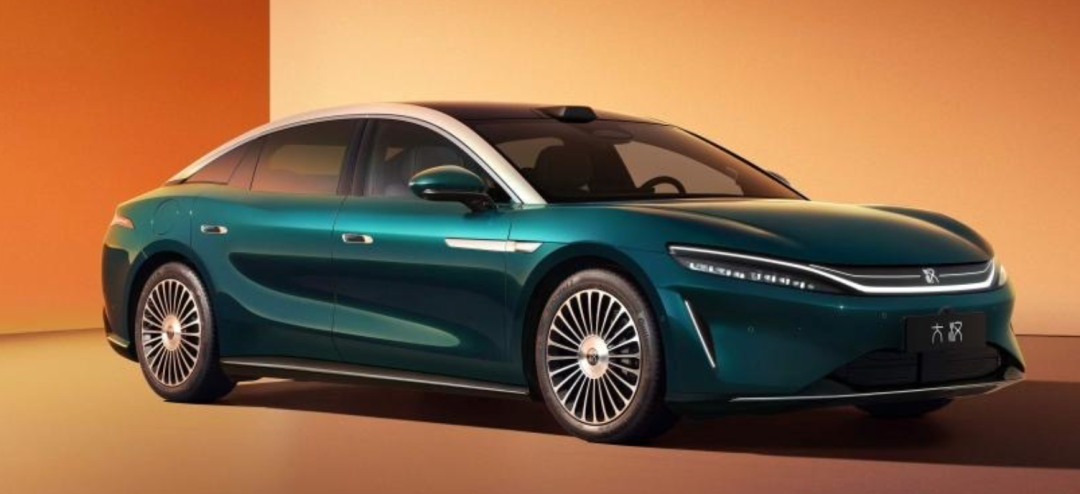 Image Source: Weibo
This has given rise to new opposing viewpoints:
Some argue: "The core chassis hardware isn't compromised, which is already very conscientious. Interior options are acceptable."
Others complain: "The low-spec model looks like a luxuriously refurbished ride-hailing car, while the high-spec model is the true flagship, indirectly forcing consumers to upgrade and significantly reducing value for money."
Besides these, controversies over the computing power for intelligent driving and conservative interior design continue to ferment. Some netizens point out that the Han's intelligent driving chip computing power is inferior compared to new competitors, raising doubts about its future OTA upgrade potential. While the interior materials are generous, the overall framework lacks breakthrough innovation, still adhering to the familiar BYD family style, with a luxury ambiance that falls short of the ultimate.
04 Top-tier Hardware, Fatal Label
Objectively speaking, the BYD Han is a contradictory model with extremely advanced product strength but severely lagging brand perception.
From its mechanical qualities, cabin configuration, and range performance, it fully deserves the D+ flagship positioning, representing a sincere effort by domestic sedans to break through upwards, significantly lowering the entry barrier for luxury executive sedans.
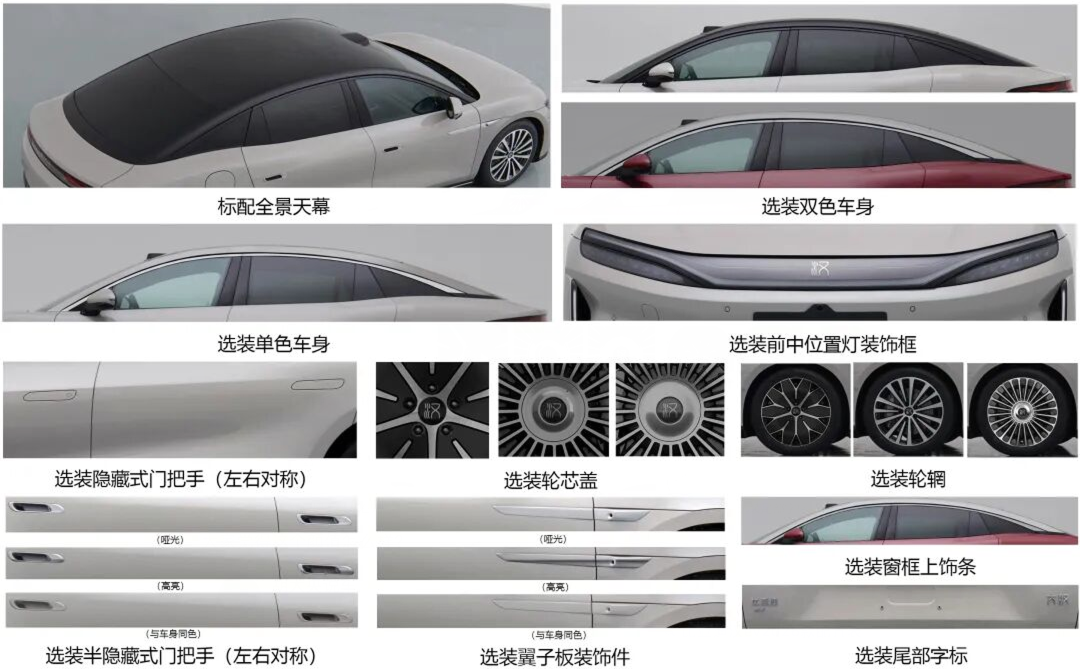 Image Source: Weibo
However, from a market perception and social attribute perspective, it is firmly bound by the "Han" ride-hailing label. Hardware can be iterated overnight, but it takes years to erase the public's stereotypes.
The mockery of it being an "upgraded ride-hailing car" is not fundamentally a problem with the car but a necessary pain point in the brand's upward breakthrough: BYD has reached the threshold of luxury cars with extreme specifications but has yet to shatter the ingrained prejudices in the public's mind.
Whether this stunning, hardware-packed flagship Han will become a game-changing domestic blockbuster or just a re-skinned upgrade of a ride-hailing car ceiling remains to be seen after its official launch and market sales.
Interactive Topic:
Do you think the Han can shed its ride-hailing stereotype? With a 250,000 yuan budget, would you choose it or a joint-venture luxury car? Share your thoughts in the comments.
-
![]()
Too Pessimistic! MiniMax Isn't Doing That Badly
-
![]()
The 150,000-Yuan SUV Market: A Tempting yet Elusive Prize
-
![]()
The Endgame for New Car-Making Forces Is Set: Only a Three-Year Window Remains, Who Will Be Completely Eliminated?
-
![]()
Who Crossed the 'Kill Line' After DeepSeek's Price Adjustment?
-
![]()
Profits Plunge by 61% in the First Half of the Year! The Rise and Challenges of Great Wall Motors
-
![]()
BYD Han Unveiled for Pre-sale with Striking Design, Sparking Netizen Debate: Is It Merely an Enhanced Version of a Ride-Hailing Vehicle?
-
![]()
BAIC Taitan 700 vs. Xiangjie G9: A Clash of Kin, How Will Yu Chengdong Navigate This Challenge?", "Taitan 700, Xiangjie G9, BAIC, Huawei Intelligent Driving, Pricing Showdown", "BAIC has unveiled its
-
![]()
Volkswagen's Layoffs and Factory Closures: What Should Car Owners Make of It?