The 150,000-Yuan SUV Market: A Tempting yet Elusive Prize
 08/27 2026
 327
327

Lead-in
Introduction
Opportunities abound, yet breakthroughs are tough to achieve.
The 150,000-Yuan compact SUV segment is far from a niche in China's passenger vehicle market; it is, in fact, the primary battleground for automakers striving to boost their sales volumes.
According to rough statistics from Auto Business, retail sales of SUVs, in the strict sense, reached approximately 800,000 units in July, with nearly 500,000 units sold in the 150,000-Yuan and below price bracket, accounting for over 60% of the total SUV market. Excluding compact SUVs, the remaining 100,000–150,000-Yuan compact SUVs make up about 50% of the compact SUV segment, or roughly 30% of the overall SUV market.
The rationale behind this market share is that this price range caters largely to the first-time and replacement vehicle needs of most ordinary families, boasting a vast audience and high market capacity. It also represents the most transparent and rationally decision-making market segment in industry competition.
Industry data from Aika Auto in 2026 reveals that sales of new energy SUVs in the 150,000–180,000-Yuan range surged by 78.3% year-on-year, accounting for 42.1% of the new energy SUV market, with family users constituting nearly 70% of the buyers, highlighting the market's significance.
Unlike the premium market above 200,000 Yuan and the entry-level market below 100,000 Yuan, the 150,000-Yuan segment lacks significant price advantages or luxury brand benefits. To gain a foothold in China's domestic family vehicle market, all automakers must deliver satisfactory results in this segment. Their performance in the 150,000-Yuan SUV market directly determines their annual sales volume, market penetration rate, and user reputation base.
Models that consistently perform well in this fiercely competitive market inevitably become the volume pillars for their brands, providing stable market visibility and a user base. Conversely, failure in this segment makes it difficult to sustain overall market scale, even if high-end models enjoy a good reputation. This is the primary reason why many automakers are flocking to this segment and engaging in intense competition.
01 Market Structure Solidified: Hybrids Lead, Domestic Brands Dominate
After years of iteration and shakeouts, the 150,000-Yuan SUV market has now formed a relatively stable structure dominated by plug-in hybrids, supplemented by fuel-powered vehicles, with domestic brands taking the lead and joint ventures maintaining their existing user base. Competition in this segment is far more intense than at other price points.
Specifically, nearly all current market growth stems from new energy plug-in hybrid models, while fuel-powered vehicles struggle to maintain sales based solely on existing user demand. The outcome between old and new segments is already clear.
Among them, plug-in hybrid new energy vehicles are the absolute mainstay of the current market, with leading models enjoying a significant sales advantage.
Mid-year sales data shows that the BYD Haishi 06, powered by the fifth-generation DM-i hybrid technology, sold over 86,500 units in the first half of the year, with stable monthly sales exceeding 24,000 units, securing its position as the best-selling 150,000-Yuan SUV. The Song PLUS DM-i continues to perform well with its mature technology and comprehensive after-sales system, becoming a benchmark for family hybrid SUVs.
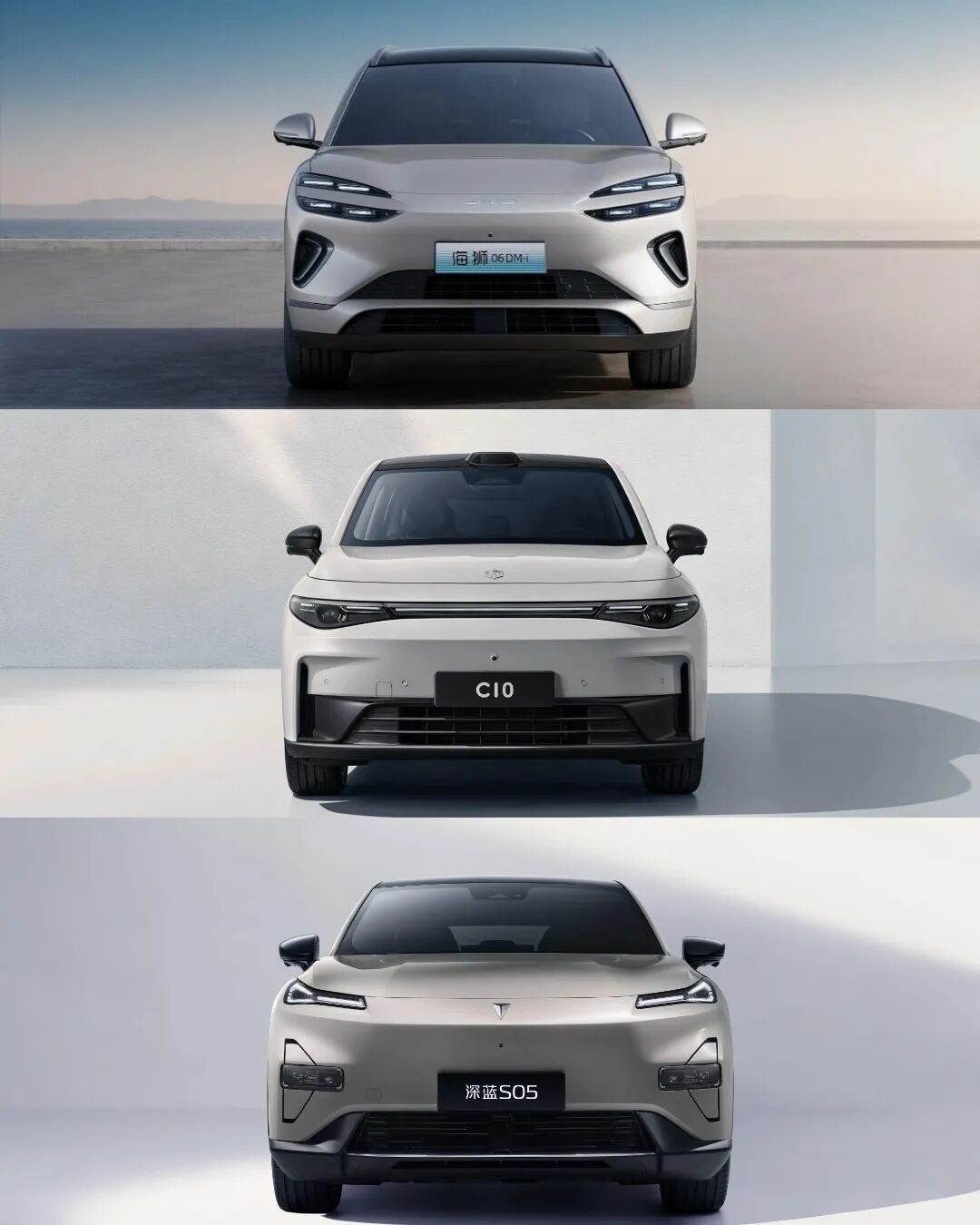
Additionally, the Leapmotor C10 and Seres S05 have quickly made their mark with their superior space, advanced intelligent driving configurations, and high cost-performance ratio, becoming dark horses in the market. They precisely meet the core needs of young families and essential home users, continuously capturing market growth.
Meanwhile, fuel-powered and hybrid models from domestic brands firmly hold their local market positions, focusing on high quality feel, large space, and high cost-performance.
For example, the Geely Xingyue L sold over 82,000 units in the first half of 2026; the Changan CS75 PLUS sold over 72,000 units in the same period, with both models ranking among the top five in fuel SUV sales. The Chery Tiggo 8 series focuses on multi-seat advantages, catering to multi-member families with affordable pricing, and capturing users in lower-tier markets with its high cost-performance ratio.
In contrast, joint venture fuel-powered models have largely shifted to a defensive stance, with leading models including the Toyota Frontlander, Corolla Cross, and Nissan Qashqai.
According to retail data for compact fuel SUVs in July 2026, the Frontlander sold 9,637 units in a single month, ranking among the top joint venture models. These models' core advantages lie in three areas: high brand residual value and strong second-hand car liquidity; stable vehicle quality control and low long-term failure rates; and balanced fuel economy with stable daily driving costs.
However, their shortcomings are also evident. Interior configurations, rear-seat space, and chassis suspension specifications of same-priced models lag significantly behind those of domestic competitors. Today, joint venture models have lost their product competitiveness and can only barely maintain their existing fuel vehicle market share through decades of accumulated user reputation and brand trust, unable to tap into the new energy growth market.
02 How Can 150,000-Yuan SUVs Break Through?
From an industry perspective, the characteristics of the 150,000-Yuan SUV user group are clear: they are primarily ordinary working-class families and essential vehicle buyers. These users do not overly pursue product performance or technological configurations; instead, their core vehicle purchase demands can be summarized as: avoiding pitfalls, ensuring practicality, and affordability.
In other words, for a vehicle to remain a best-seller in this fiercely competitive segment, it does not need to pile on gimmicks—nor can it truly create sufficiently outstanding and practical "gimmicks." Instead, it must achieve breakthroughs in several core dimensions to seize market opportunities.
Among these, space is the bottom line for such consumers and what they care about most.
Because family users prioritize travel practicality when purchasing a vehicle, factors such as a wheelbase close to or exceeding 2,750mm, spacious rear seats, a large trunk capacity, and a flat rear floor are all highly desirable product features. After all, these elements enhance experiences like traveling with children, short family trips, and daily shopping storage.
Visible and tangible space is often the first criterion for users when buying a car and the easiest selling point to create differentiated advantages.
Next is the cost of ownership, preferably controllable over the entire vehicle lifecycle.
Hybrid models now dominate the market, with users lacking charging infrastructure focusing on fuel consumption in battery-depleted mode, while commuters prioritize whether the pure electric range can cover daily trips. Fuel-powered models must ensure smooth power delivery and reasonable fuel consumption, avoiding high fuel consumption shortcomings.
Meanwhile, maintenance costs, parts pricing, and the coverage of offline after-sales service networks all influence user purchasing decisions. Users care not just about the purchase price but also the comprehensive costs of long-term fuel, maintenance, and repairs. Only models with low ownership costs can achieve sustained high sales volumes.
Additionally, practical configurations must be implemented, avoiding ineffective feature stacking.
Users in the 150,000-Yuan segment have practical vehicle needs. Features like ambient lighting and niche decorations are not essential and may even be seen as unnecessary "burdens" that cost extra money. In contrast, safety airbags, Level 2 autonomous driving assistance, panoramic imaging, high-definition infotainment systems, comfortable air conditioning, and external power discharge functions in hybrid models are more practical configurations.
On this basis, brand reputation must not be neglected.
Since most 150,000-Yuan vehicles are a family's first car, users fear frequent failures and troublesome after-sales service. The three-electric systems in hybrid models and the powertrains in fuel-powered models must undergo long-term market validation to avoid common issues. Simultaneously, the density of brand after-sales service networks is crucial. Models with insufficient network coverage and inconvenient repairs, even if highly competitive in product strength, struggle to achieve long-term high sales.
Finally, pricing strategies must avoid market misalignment.
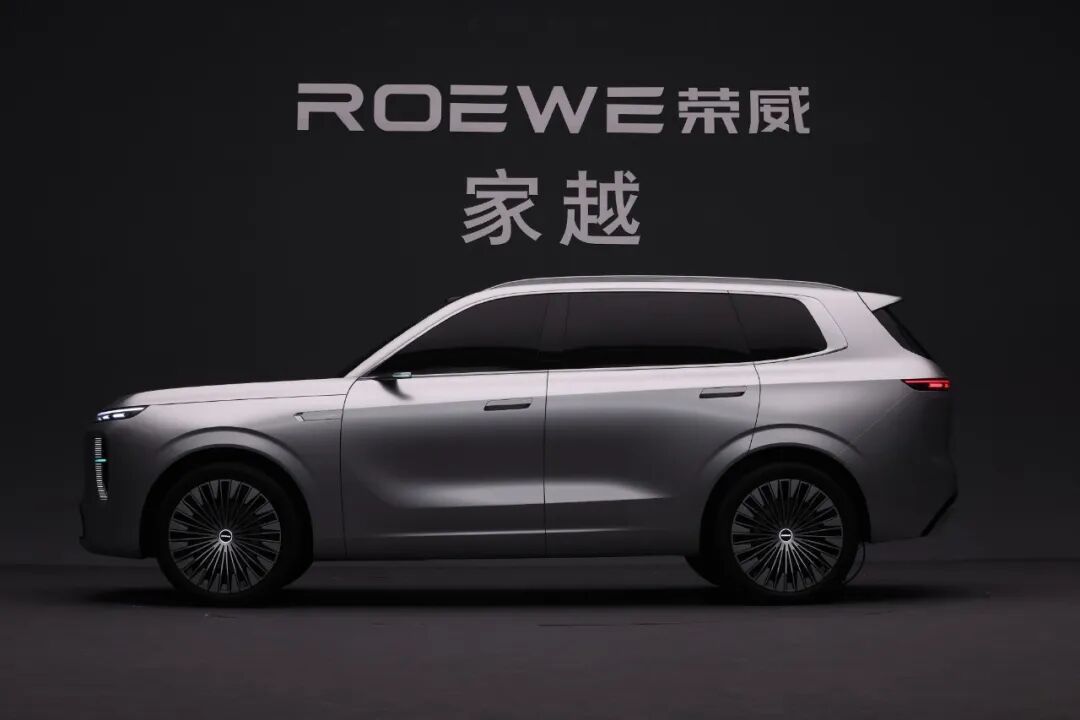
The 150,000-Yuan segment is highly competitive, and mismatched product strength and pricing are core reasons for poor sales. As Zhang Liang, Deputy General Manager of SAIC Motor Passenger Vehicle Co., Ltd. and General Manager of SAIC Motor Sales Co., Ltd. said after the debut of the Roewe iMAX 07, "When the 150,000-Yuan pricing was announced at the launch event, general managers usually smiled wryly, feeling it was too low and a loss..."
This precisely reflects pricing strategy. Popular models generally follow the principle of "overdelivering on experience at an affordable price," offering a product experience worth 170,000–180,000 Yuan or even over 200,000 Yuan at a 150,000-Yuan price point, relying on cost-performance ratio rather than simple low-price competition. Blind premium pricing, cost imbalances, and vague positioning will quickly lead to market elimination.
Therefore, in summary, the formula for sales breakthroughs in the 150,000-Yuan SUV segment follows a certain pattern: sufficient and overdelivering space + controllable ownership costs + practical configurations + reliable brand + reasonable pricing. On this basis, incorporating mature and stable hybrid and three-electric technologies has allowed many models to establish themselves in fierce competition and continuously capture the home market's growth opportunities.
That said, achieving all these points is no easy task. Companies must consider too many factors, market changes are rapid, and consumer vehicle needs are highly diverse, making it seem like most models in this segment have opportunities but struggle to truly break through.
Editor-in-Charge: Shi Jie Editor: He Zengrong

THE END
-
![]()
Too Pessimistic! MiniMax Isn't Doing That Badly
-
![]()
The 150,000-Yuan SUV Market: A Tempting yet Elusive Prize
-
![]()
The Endgame for New Car-Making Forces Is Set: Only a Three-Year Window Remains, Who Will Be Completely Eliminated?
-
![]()
Who Crossed the 'Kill Line' After DeepSeek's Price Adjustment?
-
![]()
Profits Plunge by 61% in the First Half of the Year! The Rise and Challenges of Great Wall Motors
-
![]()
BYD Han Unveiled for Pre-sale with Striking Design, Sparking Netizen Debate: Is It Merely an Enhanced Version of a Ride-Hailing Vehicle?
-
![]()
BAIC Taitan 700 vs. Xiangjie G9: A Clash of Kin, How Will Yu Chengdong Navigate This Challenge?", "Taitan 700, Xiangjie G9, BAIC, Huawei Intelligent Driving, Pricing Showdown", "BAIC has unveiled its
-
![]()
Volkswagen's Layoffs and Factory Closures: What Should Car Owners Make of It?