【OFweek Weike Cup】Cybernetics Officially Nominated for the 2026 Outstanding Contribution Award for Optical Industry Application Solutions
 06/17 2026
 444
444
The Weike Cup·OFweek 2026 China Optical Industry Annual Selection is hosted by OFweek, a portal for China's high-tech industry, and co-organized by Weike.net Optics. The event collaborates with authoritative associations, research institutes, and key enterprises in the optics field. Building on the professional reputation of the "OFweek Awards" in the high-tech sector for over a decade, it has become a highly professional and influential benchmark selection in the optics field, known for its open, fair, and rigorous selection process.
This selection will focus on core sectors including optical materials, optical instruments and equipment, vacuum coating, optical components, optoelectronic sensors, optical information storage, and other optical sensing technologies. It aims to recognize breakthrough products, cutting-edge technologies, benchmark cases, and leading enterprises in the industry, encouraging advancements in core technologies.
Currently, the event is in the midst of an enthusiastic application phase, with industry enterprises responding actively. Cybernetics Engineering System Development (Shanghai) Co., Ltd. has officially applied for the "Weike Cup·OFweek 2026 Annual Outstanding Contribution Award for Optical Industry Application Solutions."
Nominated Enterprise

Nomination Information
Award Application:
Weike Cup·OFweek 2026 Annual Outstanding Contribution Award for Optical Industry Application Solutions
Nominated Product Name:
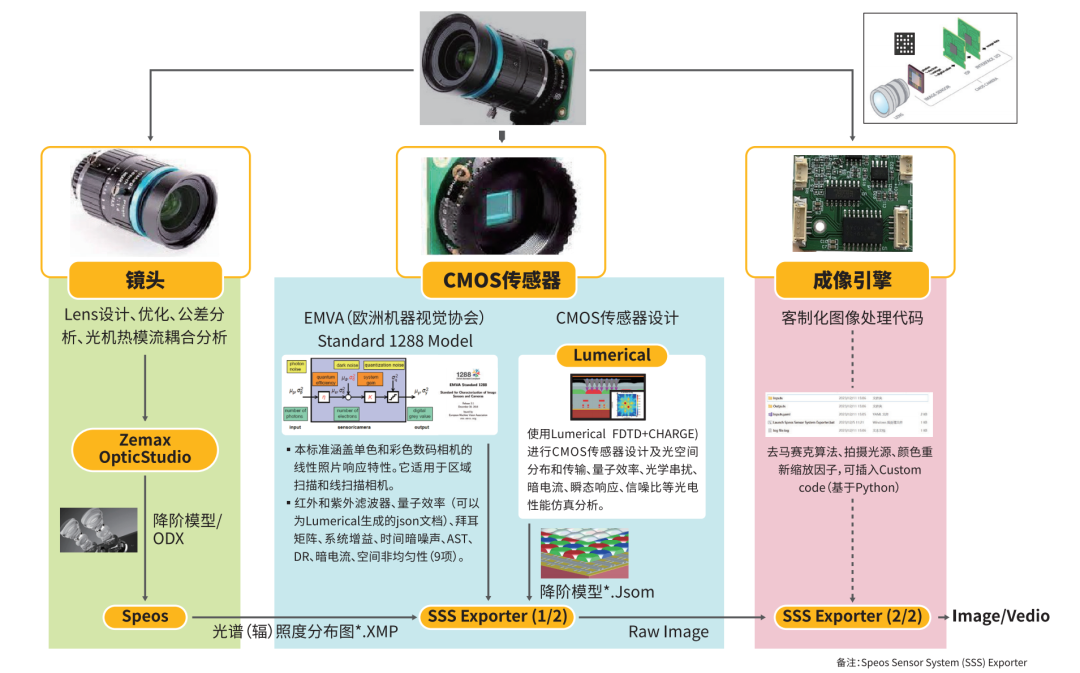
Embodied Robot Visual Perception System: 8–12μm Long-Wave Infrared Imaging and Protective Mask Adaptation Verification Solution
Key Achievements:
This project addresses the industry challenge of unreliable visual perception for embodied robots in complex industrial and outdoor environments by pioneering an integrated and standardized adaptation verification solution for 8–12μm long-wave infrared imaging and protective masks. The solution establishes a full-link virtual simulation closed-loop system, deeply integrating Zemax optical design, Lumerical image sensor simulation, and SPEOS system-level full-link simulation verification. Leveraging wide-temperature-range athermal technology from -40℃ to +70℃, it ensures clear and stable imaging across all temperature ranges. Relying on pre-simulation capabilities, it can predict issues such as MTF degradation, optical distortion, and light energy loss caused by protective masks, addressing the industry pain point of performance degradation in infrared systems due to mask assembly. The project also builds a comprehensive quantitative verification platform, establishing testing standards for infrared wavelength transmittance, imaging resolution, optical distortion, temperature measurement accuracy, multi-angle stray light, and ghost interference. This allows precise evaluation of the impact of masks with different materials, thicknesses, and wear levels on imaging performance. Addressing issues such as increased distortion and localized blurring caused by masks, the solution achieves high-precision infrared camera calibration while supporting multi-condition imaging simulations, including no mask, with mask, and foggy environments, effectively overcoming imaging technology bottlenecks in complex scenarios. The complete solution significantly enhances the perception stability of embodied robots in harsh environments, fills the industry gap in standardized mask adaptation, and provides complete technical support for the selection, integration, and mass production of infrared visual protection systems.
Nomination Rationale:
The environmental adaptability of infrared perception systems is a core bottleneck restricting the large-scale mass production of embodied robots, with a notable lack of standardized optical adaptation verification systems for protective masks in the industry. This solution combines outstanding technological innovation with practical value, thus warranting this nomination. By deeply integrating optical physical simulation with embodied visual architecture and relying on a complete simulation chain, it completely abandons the traditional "processing-testing-revision" R&D model, significantly shortening R&D cycles, reducing trial-and-error costs, and preemptively mitigating application risks. It successfully fills the technological gap in the domestic field of long-wave infrared robot protection optical adaptation. Addressing mass production (mass production) challenges such as visual distortion, imaging degradation, and inaccurate temperature measurement and detection caused by masks, this solution provides a comprehensive resolution path, ensuring the stable maintenance of high detection sensitivity for vanadium oxide infrared cores while achieving physical device protection and upholding high-precision imaging and temperature measurement performance. After implementation, the solution significantly enhances device operational stability in scenarios such as power inspection and fire rescue, effectively reducing overall R&D iteration and post-maintenance costs. As a mature and reusable industrial solution, this achievement demonstrates strong versatility and scalability, leading the industry in establishing unified standards and assisting in the standardized, high-quality mass production of robot long-wave infrared vision technology, fully meeting the selection criteria for the Optical Industry Application Solutions Outstanding Contribution Award.
Welcome to Participate
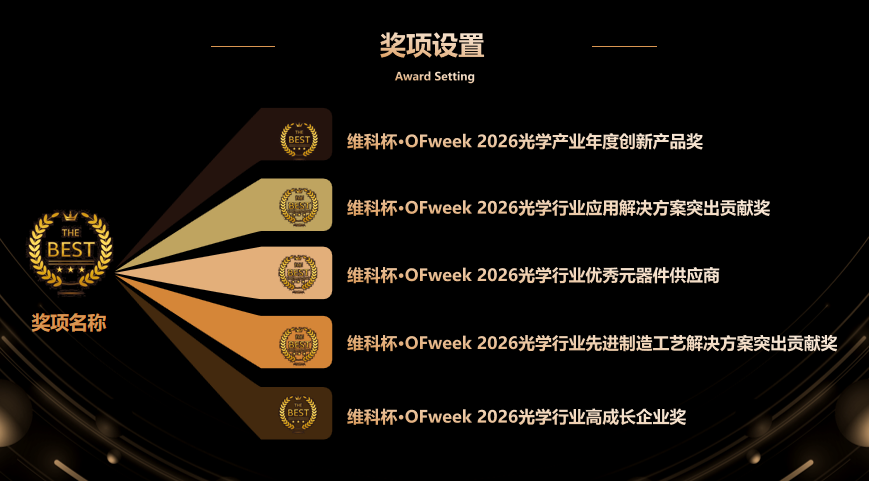
The annual selection is now hotly soliciting entries. We welcome pioneering forces across all segments of the optical industry chain to sign up enthusiastically (actively apply) and compete for industry honors!

-
![]()
Two Key Moves in a Month! This Optical Giant is Quietly Shifting Tracks
-
![]()
Strong Alliance Unveiled! CooperVision and Eb Medical Forge Strategic Partnership
-
![]()
Is AI-Powered Shopping Really Worth It or Not Necessary At All?
-
![]()
Doushengsheng: Is It Really 'Stealing the Base'?
-
![]()
Dealer Service Operation Capability | After-sales Customer Retention: Three Key Strategies for Attracting Customers with Competitive Pricing
-
![]()
Revealed: CXMT’s New Wafer Fab Set to Establish Presence Here
-
![]()
Is Ant Afu Facing Its First Leadership Shuffle? Official Statement Dismisses Claims as Baseless
-
![]()
Pixel 11 Specs and Price Leaked Early: Price Hike of $100, Yet Memory Trimmed to 12GB